
The Biological Tax of the Glucose Spike
Most professionals treat the 3 PM crash as an inevitability of the workday. They reach for a second espresso or a sugary snack, unaware they are simply fueling a biological fire. When you consume refined carbohydrates or sugars on an empty stomach, your blood glucose levels skyrocket. Your pancreas responds by flooding the system with insulin to shuttle that sugar into your cells. The problem arises when the insulin overshoots the mark, triggering a rapid drop in blood sugar that leaves your brain starved for fuel. This is not a lack of willpower; it is a metabolic cliff.
This cycle manifests globally, though the culprits vary by region. In Southeast Asia, it might be a bowl of white jasmine rice; in Mexico, a stack of corn tortillas; in Europe, a refined flour pastry. Regardless of the source, the physiological result is identical. You experience a brief window of euphoria followed by brain fog, irritability, and an intense craving for more sugar. By flattening the glucose curve, you eliminate the crash and preserve your cognitive bandwidth for the tasks that actually matter.
The Metabolic Cost
The 'Glucose Rollercoaster' isn't just about energy. Frequent spikes lead to systemic inflammation and insulin resistance over time, meaning your body becomes less efficient at processing energy. Flattening the curve is an investment in long-term metabolic resilience.
Prerequisites for the Protocol
You do not need expensive supplements or restrictive diets to implement this protocol. You need a strategic shift in how you assemble your meals and how you move your body. The goal is not to eliminate carbohydrates—which the brain requires for optimal function—but to manage their entry into the bloodstream.
- Access to high-fiber vegetables (leafy greens, broccoli, cauliflower, or legumes).
- Quality protein sources (eggs, fish, poultry, tofu, or lean meats).
- Healthy fats (avocado, olive oil, nuts, or seeds).
- A 10-to-15 minute window for post-meal movement.
- A commitment to prioritize the sequence of food over the restriction of food.
The Step-by-Step Flattening Protocol
- Start with a savory breakfast. Eliminate sweet cereals or fruit-only starts. Focus on proteins and fats—like eggs with avocado or Greek yogurt with nuts—to set a stable glucose baseline for the day.
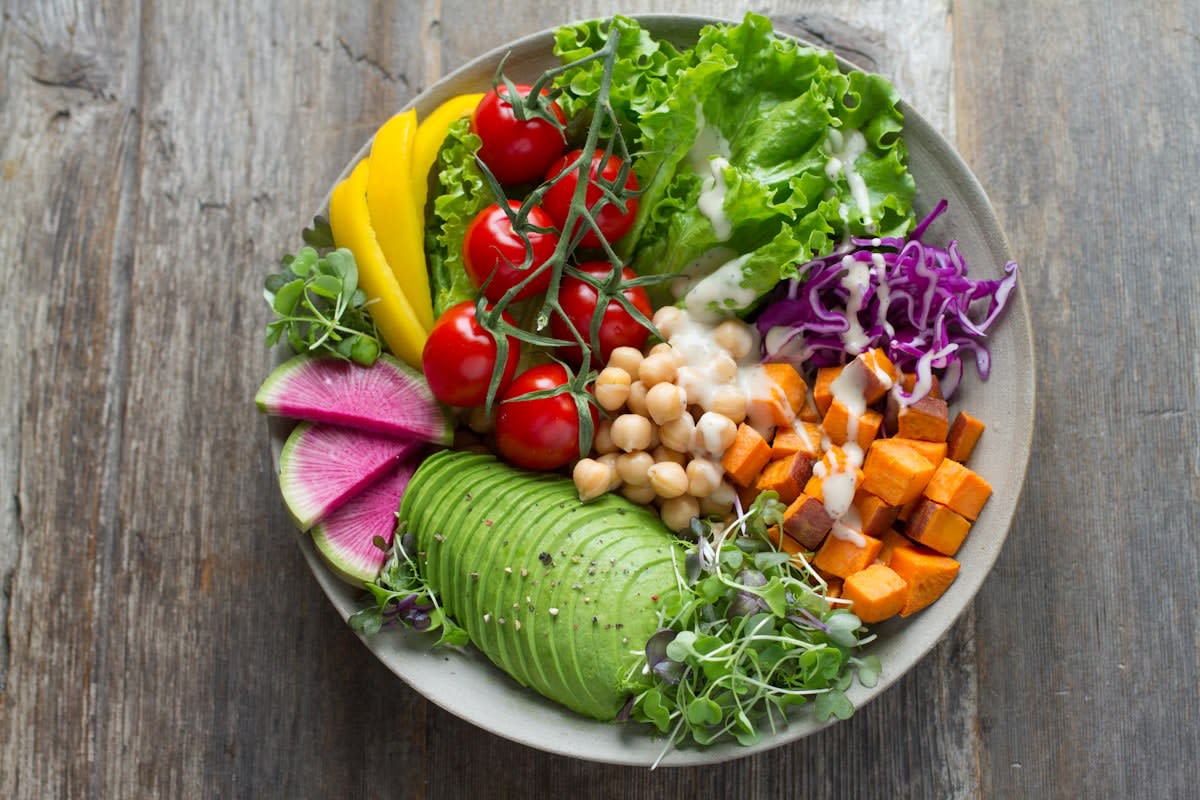
- Adopt the 'Fiber-First' sequence. For every meal, eat your vegetables first. The fiber creates a viscous mesh in the small intestine, which slows down the absorption of glucose from subsequent foods.
- Introduce proteins and fats second. These nutrients further slow gastric emptying, ensuring that any sugars consumed later enter the bloodstream at a gradual pace.
- Save starches and sugars for the end of the meal. By the time the glucose from rice, pasta, or fruit hits your system, the fiber and protein 'buffer' is already in place, significantly reducing the height of the spike.
- Execute a post-meal glucose clear. Within 30 minutes of finishing your meal, engage in 10 to 15 minutes of light movement. A brisk walk or simple household chores activate the GLUT4 transporters in your muscles, allowing them to soak up glucose without requiring a massive insulin surge.
Optimizing the Sequence: The Science of the Buffer
Why does the order matter? When you eat a carbohydrate in isolation—a 'naked carb'—it converts to glucose almost instantly. This creates a steep vertical climb on your glucose graph. However, fiber acts as a biological filter. It doesn't just slow digestion; it changes the way your gut microbiota interacts with the food. By eating a salad or steamed greens first, you prepare your digestive tract to handle the glucose load more efficiently.
Protein and fats play a complementary role by triggering the release of glucagon-like peptide-1 (GLP-1). This hormone slows down the rate at which the stomach empties its contents into the small intestine. When you combine fiber, protein, and fat before your carbohydrates, you transform a potential glucose spike into a gentle wave. This prevents the insulin overreaction and, consequently, the subsequent crash.
| Eating Pattern | Glucose Response | Energy Outcome | Mental State |
|---|---|---|---|
| Naked Carbs (e.g., Bagel) | Sharp Spike | Rapid Crash | Brain Fog/Irritable |
| Carbs + Protein (e.g., Toast & Eggs) | Moderate Spike | Slow Decline | Stable/Focused |
| Fiber -> Protein -> Carbs | Flattened Curve | Steady State | High Cognitive Clarity |
The Movement Multiplier
Movement is the most underrated tool in glucose management. Your skeletal muscles are the primary consumers of glucose in the body. When you contract your muscles shortly after eating, you trigger a process where glucose is pulled from the blood into the muscle cells via GLUT4 transporters. This process happens independently of insulin, meaning you can lower your blood sugar without forcing your pancreas to work overtime.
The timing is critical. Waiting two hours to exercise is too late; the spike has already happened and the crash is likely underway. The magic window is 15 to 45 minutes post-meal. Even a slow walk around the office or a few sets of air squats in the kitchen can reduce a glucose spike by as much as 20% to 30%. This simple habit preserves your insulin sensitivity and prevents the lethargy that usually follows a heavy lunch.

Common Pitfalls and Troubleshooting
Many practitioners fail not because the science is wrong, but because they overlook the secondary drivers of glucose. For instance, stress and lack of sleep trigger the release of cortisol. Cortisol tells your liver to dump stored glucose into the bloodstream to prepare you for a 'fight or flight' response. If you are chronically stressed, you may experience glucose spikes even if you aren't eating sugar.
- The Caffeine Trap: Drinking black coffee on an empty stomach can spike cortisol and glucose in sensitive individuals. Pair your coffee with a protein-rich breakfast.
- The Fruit Fallacy: Eating fruit as a standalone snack can cause a spike. Instead, pair an apple with almond butter or berries with Greek yogurt to add a protein/fat buffer.
- Ignoring Hydration: Dehydration concentrates blood glucose. Drinking water helps the kidneys flush out excess sugar and maintains blood volume.
- Over-reliance on 'Low-Fat' Products: Many low-fat alternatives replace fats with hidden sugars or thickeners that spike glucose faster than the original full-fat version.
"The goal is not to live in fear of carbohydrates, but to master the architecture of the meal. When you control the sequence and the movement, you control your energy."— Metabolic Health Specialist