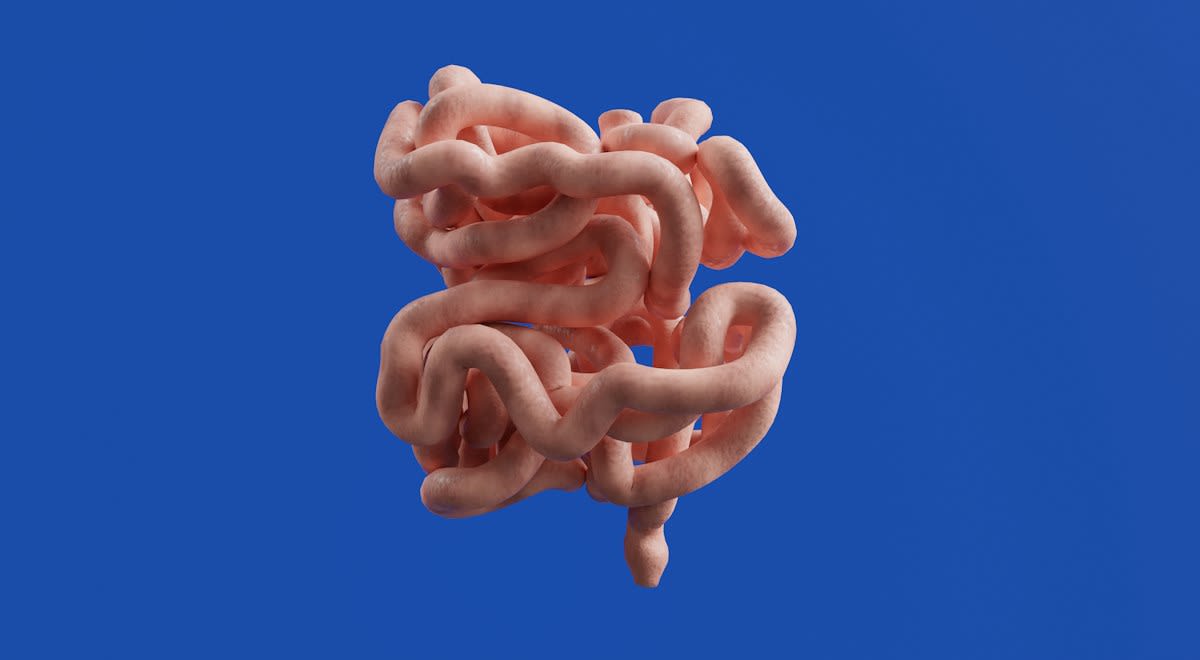
We have been conditioned to view mental exhaustion as a psychological failure or a simple lack of sleep. We treat burnout as a cognitive deficit, a depletion of willpower that can be solved with a vacation or a mindfulness app. This is a fundamental misunderstanding of human biology. Mental fatigue is not an event that happens solely in the skull; it is a systemic metabolic signal. The brain, while the primary consumer of energy, is not the sole arbiter of when that energy is available. Instead, the gut microbiome acts as a metabolic command center, regulating the circulating metabolites that either fuel cognitive endurance or trigger a forced shutdown.
Beyond Taxonomy: The Functional Command Center
For years, the scientific community obsessed over taxonomic diversity—the simple counting of species in the gut. The assumption was that a more diverse microbiome equaled a healthier mind. However, this approach is increasingly viewed as reductive. Modern analysis has shifted toward functional capacity: not who is in the gut, but what they are actually doing (Source: InnerBuddies, 2026). A patient might possess a diverse array of microbial species, yet if those species are not actively engaged in the biosynthesis of neurotransmitter precursors or neuroactive metabolites, the brain remains starved of the chemical signals required for sustained focus.
| Analysis Type | Primary Focus | Clinical Utility | Predictive Value for Fatigue |
|---|---|---|---|
| Taxonomic Analysis | Species Identification | Baseline Diversity Mapping | Low (Inconsistent results) |
| Functional Analysis | Metabolic Pathways | Targeted Intervention (Diet/Supplements) | High (Links to host phenotype) |
This distinction is critical because taxonomic results have often proven inconclusive or inconsistent when predicting mood and cognition (Source: InnerBuddies, 2026). The real driver of mental exhaustion is the metabolic output—the actual chemicals crossing the gut-brain axis. When the microbiome fails to produce necessary precursors, the brain experiences a functional energy gap, which we perceive as brain fog or mental exhaustion. This is not a psychological state; it is a chemical deficiency.
To understand how this metabolic gap manifests, we must look at the specific chemicals that bridge the gap between the gut and the mind.
The Metabolite Bridge: Sleep and Cognitive Load
The relationship between the gut and mental energy is most visible during sleep. Recent research has identified that circulating gut-brain metabolites are closely associated with distinct microbial features, and these relationships fluctuate based on the quality of sleep (Source: Journal of Sleep Research, 2026). Specifically, metabolites such as GABA, serotonin, and cortisol are not just brain chemicals; they are markers of a complex dialogue between the gut and the central nervous system. When this dialogue breaks down, the result is restless sleep, which independently impacts mental energy regardless of whether the individual is experiencing broader depressive symptoms (Source: Journal of Sleep Research, 2026).
Why does this lead to exhaustion? Because the brain relies on these gut-derived metabolites to regulate the transition between wakefulness and restorative sleep. If the microbiome is dysfunctional, the serum levels of GABA and serotonin may be insufficient to facilitate deep recovery. You wake up feeling mentally exhausted not because you didn't spend eight hours in bed, but because your gut failed to provide the metabolic support necessary for the brain to reset its cognitive load (Source: Journal of Sleep Research, 2026).
"Coping with stress is a valuable skill that can take years to master, so it is important to manage expectations."— Dr. Khan, Medical Expert cited in Men's Health
The Cortisol Loop: A Two-Way Street of Exhaustion
The brain-gut axis is not a one-way street; it is a feedback loop that can easily become a vicious cycle. When the brain perceives stress or anxiety, it triggers the release of cortisol and adrenaline (Source: Men's Health, 2026). These hormones do not stay in the brain; they migrate to the gut, where they can alter bowel habits and disrupt the microbial environment. For individuals with irritable bowel syndrome (IBS) or inflammatory bowel disease, this stress response can trigger flare-ups, which further degrade the microbiome's ability to support the brain (Source: Men's Health, 2026).
This creates a systemic trap. Stress exhausts the brain, which then damages the gut, which in turn fails to produce the metabolites required to recover from stress. This is the biological architecture of burnout. We are not just dealing with a tired mind, but a compromised biological system where the gut is no longer providing the resilience needed to handle cognitive pressure.
From a practitioner's perspective, this is where the most intense internal debates happen. In clinical settings, there is a constant friction between those who want to treat the symptom—the mental exhaustion—with cognitive behavioral therapy or stimulants, and those who argue for a 'bottom-up' approach. The frustration for the practitioner is that the 'invisible' friction—the metabolic gap—is rarely measured. We see patients who are doing everything 'right' psychologically, yet they remain exhausted because their gut-brain axis is stuck in a pro-inflammatory, low-metabolite state that no amount of willpower can override.
If the gut can trigger exhaustion, can it also be engineered to prevent it?
Engineering Metabolic Resilience
The path toward resilience lies in metabolic adaptation. The gut microbiome is highly plastic, influenced by diet, exercise, and environmental conditions (Source: Resilience Medicine and Metabolic Adaptation, 2026). Specifically, the use of dietary fiber, prebiotics, and defined microbial supplements can alter the host-microbiome interaction to favor neurocognitive adaptation. For instance, cocoa flavanols and other polyphenols have been investigated for their ability to improve endothelial function, which is a prerequisite for efficient nutrient and metabolite delivery to the brain (Source: Resilience Medicine and Metabolic Adaptation, 2026).

However, resilience is not a one-size-fits-all metric. Age-related differences in the microbiome are heterogeneous, meaning a microbial community cannot be classified as resilient or impaired based solely on age or general diversity (Source: Resilience Medicine and Metabolic Adaptation, 2026). The goal is not to achieve a 'perfect' microbiome, but to ensure that the functional output—the production of energy-supporting metabolites—matches the cognitive demands of the individual's life.
Fact-Check & Accuracy Note
Key claims regarding circulating metabolites (GABA, serotonin) and their link to restless sleep are sourced from the Journal of Sleep Research (2026). The distinction between taxonomic and functional analysis is based on data from InnerBuddies (2026). The role of cortisol and adrenaline in the brain-gut axis is attributed to Men's Health (2026). The impact of polyphenols and the heterogeneity of age-related resilience are sourced from Resilience Medicine and Metabolic Adaptation (2026). The exact causal directionality between specific microbial features and sleep quality remains an area of ongoing longitudinal study.
Ultimately, the feeling of mental exhaustion is a sophisticated warning system. It is your gut telling your brain that the metabolic cost of your current activity is higher than the available supply of neuroactive metabolites. By shifting our focus from the mind to the microbiome, we stop fighting a psychological battle and start managing a biological resource.