
The Energy Wall
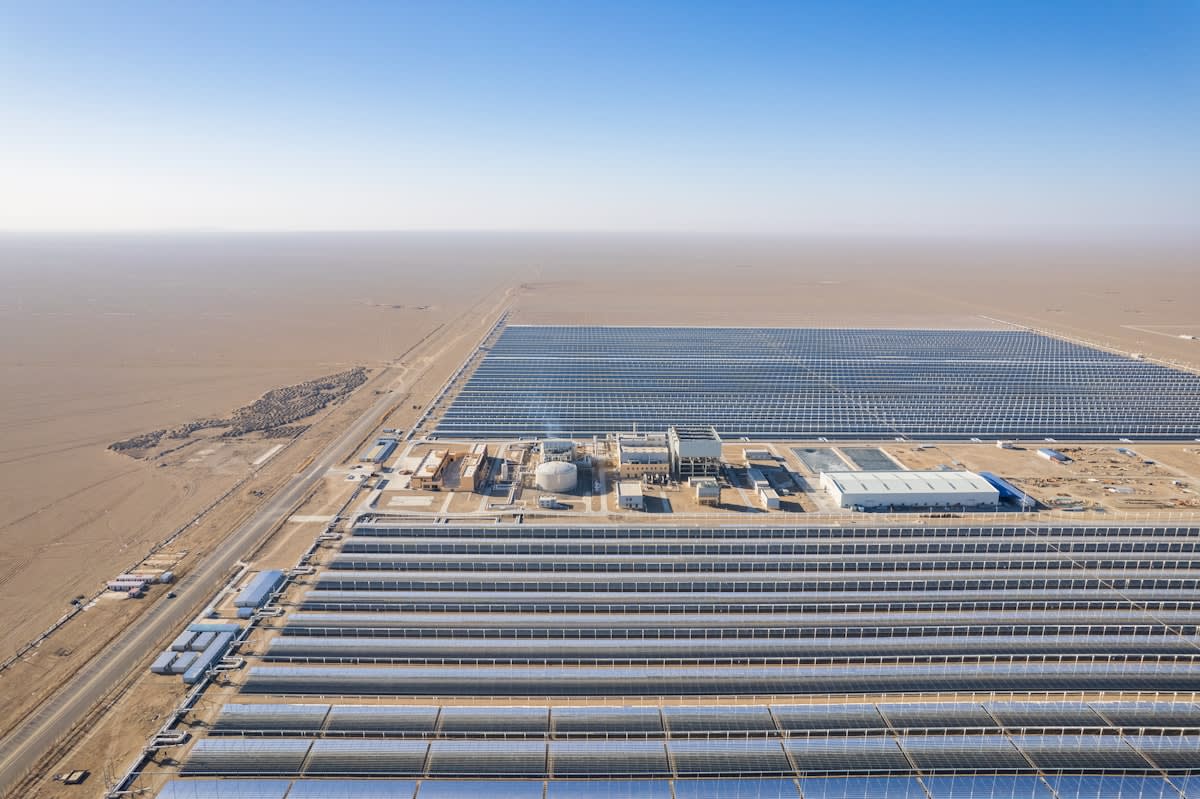
The AI gold rush has hit a physical wall: electricity. This week, the scale of that desperation became clear as KKR took management control of a $1.3 billion renewable energy platform in South Korea. This is not a vague ESG play. It is a calculated move to feed the surging power demands of AI data centers and semiconductor production lines in a region where industrial capacity is a matter of national security.
Contrast this targeted Korean industrialism with the broader American strategy. In the US, solar and energy storage are being positioned as the bedrock for the next 250 years of prosperity. While the US leverages a legacy starting from the 1954 Bell Labs silicon solar cell to bolster military resilience and domestic manufacturing, South Korea is aggressively tying renewables directly to the immediate hunger of the chipmaker.
Why does this matter now? Six months ago, the conversation was about model parameters. Today, it is about megawatts. The ripple effect is clear: those who control the energy source control the intelligence output.
Beyond the Silicon Ceiling
Conventional processors are failing the energy efficiency test. The demand for computing power is now so unprecedented that we are seeing a return to fundamental materials science. Researchers are now pushing high-precision memristor-based computing—systems that store information in tunable conductance states and perform computation directly inside memory.
"High-precision memristor-based computing is not a single-device problem, nor can it be solved by circuit design alone."— Nature Materials
While memristors handle the efficiency crisis, the US government is eyeing a more radical leap. The Department of Energy's Quantum Genesis initiative has set a hard target: a useful quantum computer by 2028. This isn't a research project; it's a deadline for breakthroughs in pharmaceuticals, agriculture, and new materials.
The Quantum Clock
The 2028 target relies on phenomenal progress in error-correcting algorithms and qubit construction. While some call it ambitious, industry players like Alice & Bob suggest it is not impossible.

This shift from software optimization to hardware revolution marks a critical delta in the tech cycle. We are moving from the era of 'better code' to the era of 'better atoms'.
The Bio-Manufacturing Pivot
Precision isn't just for chips. It's entering the bloodstream. 64x Bio recently launched the LV Apex Suite, expanding its VectorSelect platform into lentiviral vector production. By using its CellMap dataset to link genetic changes to productivity, they are treating biology like a scalable engineering problem.
At the same time, the democratization of reproductive health is mirroring the digital transformation of the clinic. Legacy, founded out of Harvard in 2018, has secured $50 million in funding from the likes of Bain Capital Ventures and Y Combinator. By removing the friction of in-person visits with mail-in collection kits, they have scaled male fertility into a digital-first commodity.
| Sector | Key Trigger | Financial/Time Metric | Strategic Goal |
|---|---|---|---|
| Energy | AI Data Center Demand | $1.3 Billion (KKR/SK) | Clean Power Stability |
| Quantum | Quantum Genesis Initiative | 2028 Deadline | Material/Pharma Breakthroughs |
| Bio-Tech | VectorSelect Platform | LV Apex Suite Launch | Scalable Therapy Production |
| Health-Tech | Digital Clinic Shift | $50 Million Funding | Frictionless Reproductive Care |
Whether it is a $1.3 billion power platform in Seoul or a $50 million fertility clinic in New York, the pattern is identical: the removal of physical and systemic friction to allow for rapid, scalable growth.