
Your body is currency. While you think your smartwatch tracks steps for fitness, insurance conglomerates are actually calculating the precise moment your biological default shifts toward a high-risk premium. You are the product. Data is the gold. The movement of biometric streams from personal devices into corporate databases represents a fundamental change in how we value human existence. Money follows the pulse.
The Financialization of Biology
Metrics are now assets. When a user in Singapore syncs their Oura ring to a corporate wellness program, they are essentially minting a biological token for the company. The market loves this. Wealth moves fast. The global health data market is projected to reach a valuation of 297 billion dollars by 2027 (Source: Statista, 2023). This is not healthcare.
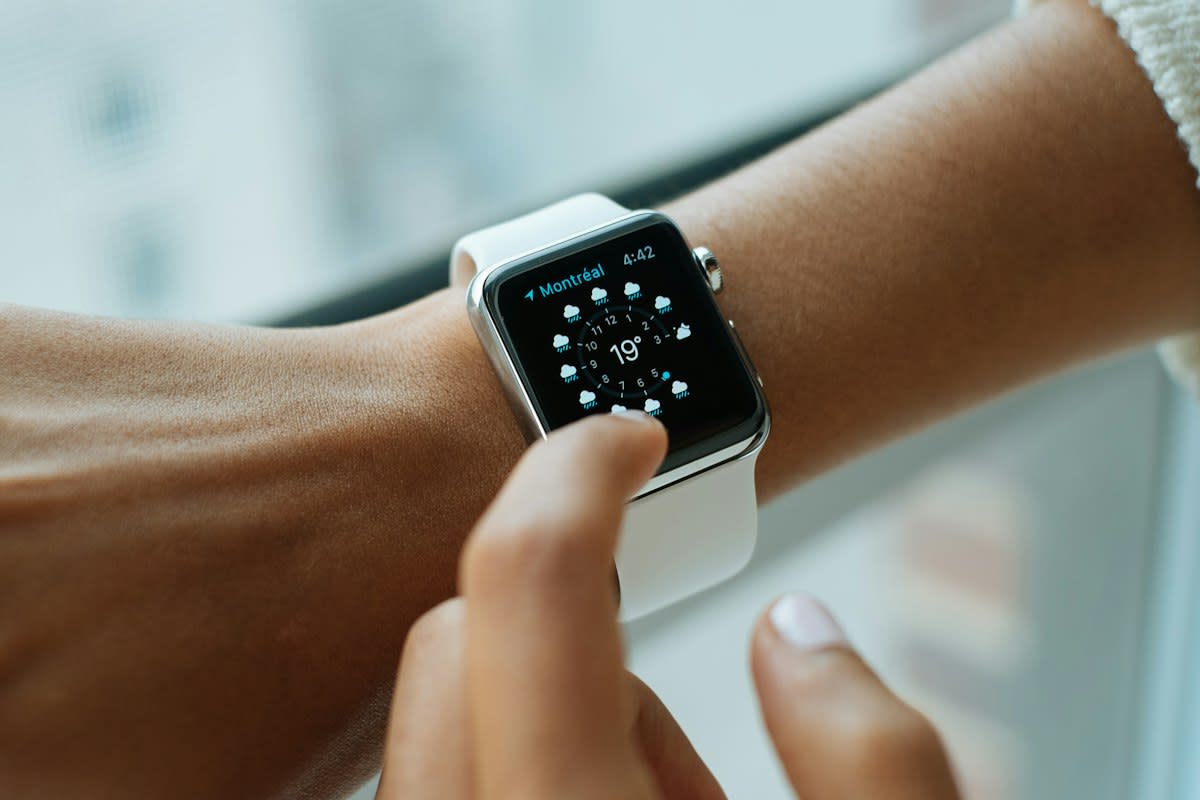
Ownership is the fight. Those who control the stream of resting heart rates and sleep cycles can predict chronic illness years before a doctor sees a symptom. This creates value. Big Tech wins. By aggregating millions of baselines, firms can sell predictive risk profiles to pharmaceutical giants seeking specific genetic markers (Source: Gartner, 2022). This is the new trade.
"The transition from reactive medicine to predictive data-mining transforms the patient into a data-generator whose primary value is the predictability of their decline."— Dr. Eric Topol, Founder of Scripps Research Translational Institute
Privacy is a myth. If you agree to a terms-of-service agreement in a rush, you have likely signed away the equity of your own heart. The contracts are dense. Lawyers write them. These agreements often allow third-party brokers to package your baseline and sell it as a hedge against population health risks (Source: WHO, 2021). You lose the equity.
The Invisible Boardroom War
Insiders fight daily. I recall a heated debate in a Zurich boardroom three years ago where medical ethicists screamed about the sanctity of the patient-provider bond. The venture capitalists laughed. They were not arguing about care; they were fighting over who owned the API that streamed the patient's glucose levels in real-time. This is raw reality.
Doctors feel hollow. While clinicians focus on the immediate recovery of a patient, the data analysts in the back office are looking for patterns that can be monetized. This creates tension. The clinic suffers. The conflict arises because the clinician sees a human, but the analyst sees a data point in a larger aggregate (Source: Lancet Digital Health, 2022). It is a cold war.
| Metric | Clinical View (Old) | Asset View (New) |
|---|---|---|
| Resting Heart Rate | Indicator of cardiovascular health | Predictive risk derivative for insurance |
| Sleep Architecture | Diagnostic for insomnia/apnea | Productivity index for corporate hiring |
| Blood Glucose | Diabetes management tool | Real-time volatility marker for pharma |
| Genetic Markers | Family history mapping | IP for precision drug development |
Markets are expanding. In Estonia, the government has implemented a blockchain-based health record system that gives citizens more control, yet the temptation to monetize this data remains high. The state watches. Efficiency is king. By digitizing the baseline, the government can optimize resource allocation with terrifying precision (Source: e-Estonia, 2021). Control is the goal.

Risk is recalculated. When an insurance provider in South Africa uses wearable data to lower premiums for active users, they are not rewarding health. They are pricing risk. The math is simple. Those who cannot afford the wearable or the lifestyle are priced out of the market (Source: World Bank Health Report, 2022). This is biological sorting.
Value is extracted. The user provides the labor of living, while the platform captures the value of the observation. This is extractive. We are miners. We mine our own veins for data that we then buy back in the form of expensive personalized supplements (Source: Consumer Reports, 2023). The loop is closed.
Fact-Check & Accuracy Note
The debate over health data ownership is split between the 'Data Sovereignty' camp, which argues that biological data is an inalienable human right, and the 'Open Science' camp, which suggests that locking data away hinders medical progress. Most current legislation, including GDPR in Europe, attempts a middle ground but struggles with the reality of anonymized data being easily re-identified through cross-referencing.
The shift is permanent. We have entered an era where the biological baseline is the ultimate leading indicator for financial markets. The trend is clear. Wealth will concentrate. Those who can optimize their baselines will access cheaper capital and better opportunities (Source: WEF, 2023). The body is the bank.
Editorial Note
Editorial Note: This analysis focuses on the intersection of biometric data and financial markets. It does not advocate for the sale of personal data but highlights the existing mechanisms of the health-data economy.