We have been fed a sanitized version of Darwinism for over a century. The popular imagination envisions a lonely predator stalking prey or a single, hardy seed outcompeting its neighbors in a desperate scramble for sunlight. This 'survival of the fittest' trope reduces the staggering complexity of life to a boxing match. But what if the real driver of evolutionary leaps isn't the ability to crush an opponent, but the capacity to forge an alliance? The evidence suggests that nature's most profound breakthroughs occur not through conflict, but through the silent, sophisticated negotiations between entirely different species.
This is not a soft, sentimental view of nature. Interspecies cooperation is a cold, calculated strategy for resource optimization. When two species align their interests, they unlock biological capabilities that neither could achieve in isolation. This systemic shift from competition to cooperation allows organisms to colonize hostile environments and maximize energy efficiency. Why waste energy fighting for a resource when you can partner with a specialist who can acquire it for you? The natural world is less a battlefield and more a global marketplace of biological services.
The Wood Wide Web: Infrastructure of the Undergrowth
Consider the forests of the Pacific Northwest or the ancient woodlands of Central Europe. Beneath the soil lies a sprawling, fungal architecture known as mycorrhizal networks. These fungi do not merely coexist with trees; they integrate with them. The fungi provide essential phosphorus and nitrogen, while the trees trade surplus sugars produced through photosynthesis. This is not a casual friendship; it is a rigorous trade agreement. Research indicates that up to 90% of land plants rely on these fungal partnerships to survive in nutrient-poor soils.
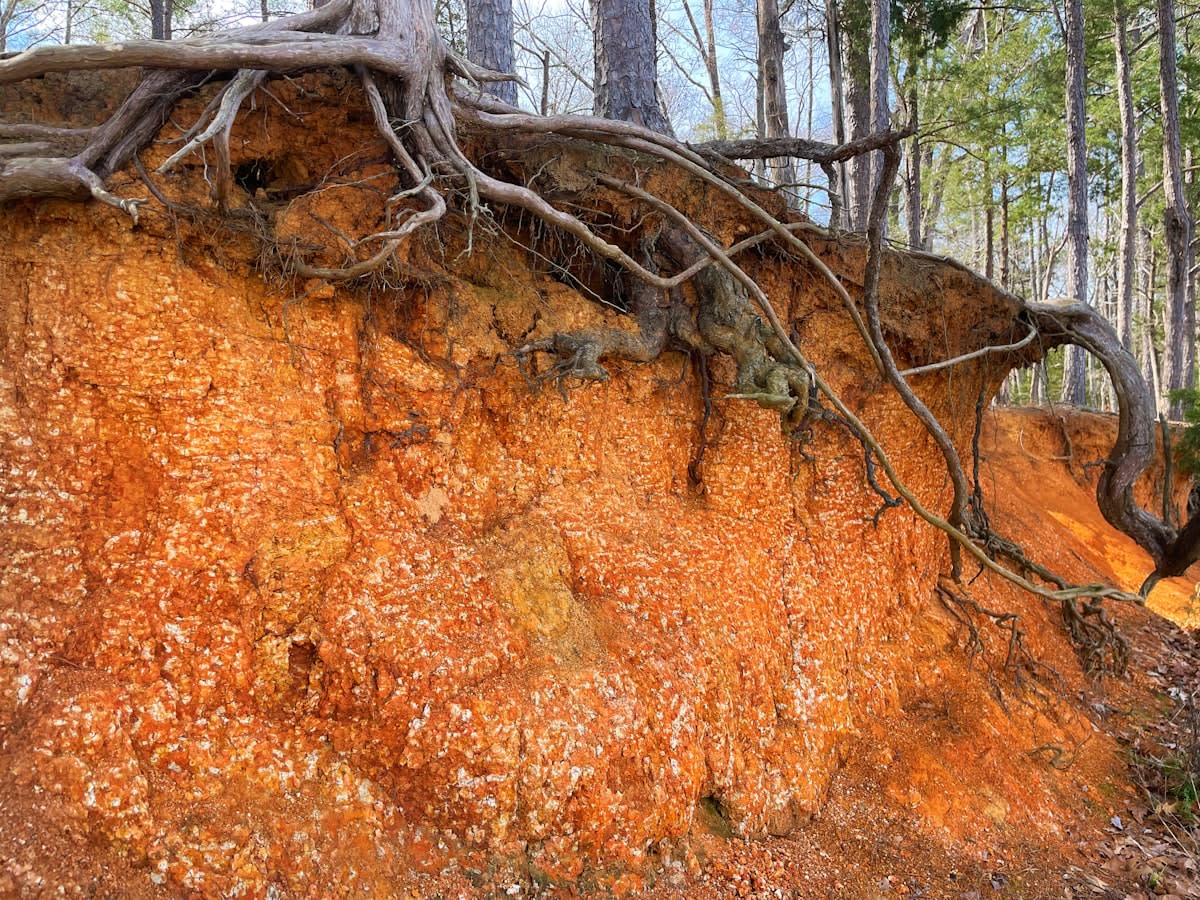
The implications of this network extend beyond simple nutrient exchange. These fungal threads act as a biological internet, allowing trees to communicate distress signals about pest infestations or droughts. When a tree is attacked, it sends chemical warnings through the mycelium, triggering neighboring trees to bolster their chemical defenses before the threat arrives. This collective security arrangement transforms a group of individual trees into a single, resilient super-organism. Is this not a more efficient evolutionary strategy than the solitary struggle for dominance?
"Evolution is not a ladder of progress driven by the strongest, but a web of dependencies woven by the most adaptable."— Strategic Analysis of Biological Systems
This network highlights a critical flaw in our traditional understanding of fitness. If a tree's survival depends on the health of its fungal partner and the warnings of its neighbors, then 'fitness' is no longer an individual trait. It becomes a networked property. We are seeing a fundamental rewrite of biological rules where the unit of selection is not the individual organism, but the symbiotic relationship itself.
Marine Masterclasses in Mutualism
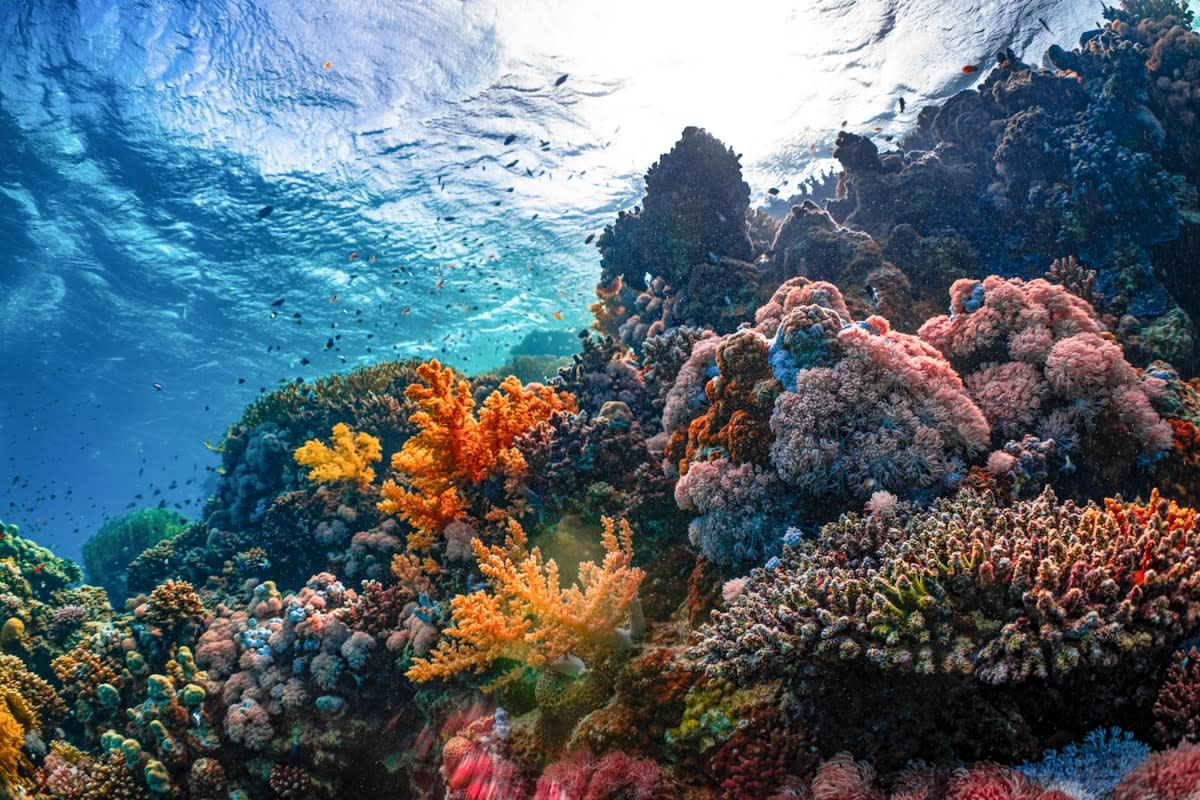
The ocean offers an even more dramatic example of this collaborative logic. Coral reefs, the most biodiverse ecosystems on the planet, are essentially massive monuments to interspecies cooperation. Coral polyps provide a protected environment and the compounds needed for photosynthesis to zooxanthellae—single-celled algae. In return, the algae provide the polyps with oxygen and the organic products of photosynthesis. Without this precise negotiation, the reefs would collapse, taking an estimated 25% of all marine biodiversity with them.
Beyond the reefs, look at the cleaning stations of the Indo-Pacific. Small cleaner wrasses set up 'businesses' where larger, often predatory fish queue up to have parasites removed from their scales and gills. The predator suppresses its hunting instinct, and the cleaner gains a reliable food source. This truce is maintained through a complex set of behavioral signals. When the predator is satisfied, it departs without eating the service provider. This is a high-stakes negotiation where trust is the primary currency.
These marine examples prove that cooperation is not a marginal phenomenon. It is the foundational architecture of the ocean's most productive zones. When we analyze these systems, we see that the 'cost' of cooperation—such as the risk of being eaten by a client or the energy spent maintaining a partner—is far outweighed by the systemic gains in efficiency and survival.
The transition from competition to collaboration creates a positive feedback loop. As species become more interdependent, they evolve specialized organs and behaviors specifically designed to maintain these partnerships. This specialization accelerates the pace of evolution, creating a complexity that competition alone could never produce.
The Strategic Calculus of Cooperation
To understand why this shift is happening, we must look at the energy economics of evolution. Competition is expensive. It requires immense caloric investment in weaponry, armor, and aggressive displays. Cooperation, while requiring an initial investment in communication and trust, offers a far higher return on investment (ROI). By outsourcing specific needs to a partner, an organism can redirect its energy toward growth and reproduction.
| Strategy | Primary Driver | Energy Cost | Systemic Risk | Long-term Outcome |
|---|---|---|---|---|
| Competitive Darwinism | Resource Monopoly | High (Weaponry/Conflict) | High (Vulnerability to New Rivals) | Linear Specialization |
| Mutualistic Symbiosis | Resource Optimization | Low to Moderate (Coordination) | Moderate (Partner Dependency) | Exponential Complexity |
| Commensalism | Opportunistic Gain | Very Low | Low (Passive) | Stable Coexistence |
The table above illustrates the fundamental divide. While competitive strategies focus on monopoly, cooperative strategies focus on optimization. The risk of partner dependency is real—if the algae die, the coral bleaches—but this vulnerability is a fair trade for the ability to thrive in nutrient-poor waters. Evolution isn't moving toward a 'perfect' organism, but toward a more perfect network.
The Network Effect
The most successful species are those that have mastered the art of the 'Biological Trade.' They don't just adapt to their environment; they build a supportive ecosystem of partners that modifies the environment in their favor.
We see this in the African savanna, where honeyguides lead humans or badgers to beehives. The bird cannot open the hive alone; the mammal has the strength but lacks the scouting ability. Together, they access a high-calorie resource that would otherwise be unavailable to both. This is an interspecies partnership based on complementary skill sets, effectively creating a temporary 'firm' to execute a specific task.
This behavioral flexibility suggests that intelligence itself may have evolved as a tool for cooperation. The ability to read the signals of another species, to negotiate a truce, and to maintain a long-term partnership requires a level of cognitive sophistication that simple aggression does not. Cooperation, therefore, is not just a result of evolution; it is a driver of cognitive advancement.
Beyond Biology: The Systemic Lesson
If we accept that cooperation is the primary engine of biological complexity, we must question why our human systems remain so stubbornly competitive. Our economic and political models are often built on the outdated 'survival of the fittest' logic, emphasizing zero-sum competition and market dominance. Nature suggests a different path: the creation of symbiotic networks where the success of one partner inherently increases the success of the other.
The shift from a competitive mindset to a collaborative one is not about altruism; it is about systemic resilience. A forest of solitary trees is easily wiped out by a single blight. A networked forest, sharing resources and warnings, can weather the storm. The same logic applies to our global challenges. Whether we are facing climate instability or pandemic threats, the solution lies in building inter-disciplinary and international 'symbioses' that optimize for collective survival rather than individual gain.
- Shift from individual fitness to networked fitness.
- Recognition of biological 'trade agreements' as energy-saving strategies.
- Understanding that cognitive complexity often evolves to facilitate cooperation.
- Moving from zero-sum competition to positive-sum symbiosis.
Ultimately, the silent negotiators of the natural world have already solved the problems we are currently struggling with. They have proven that the most durable way to survive a changing environment is to make yourself indispensable to others. The future of evolution—and perhaps the future of our own civilization—depends on our ability to stop fighting for the top of the ladder and start weaving a stronger web.