Sinking Soil and Sponge Logic
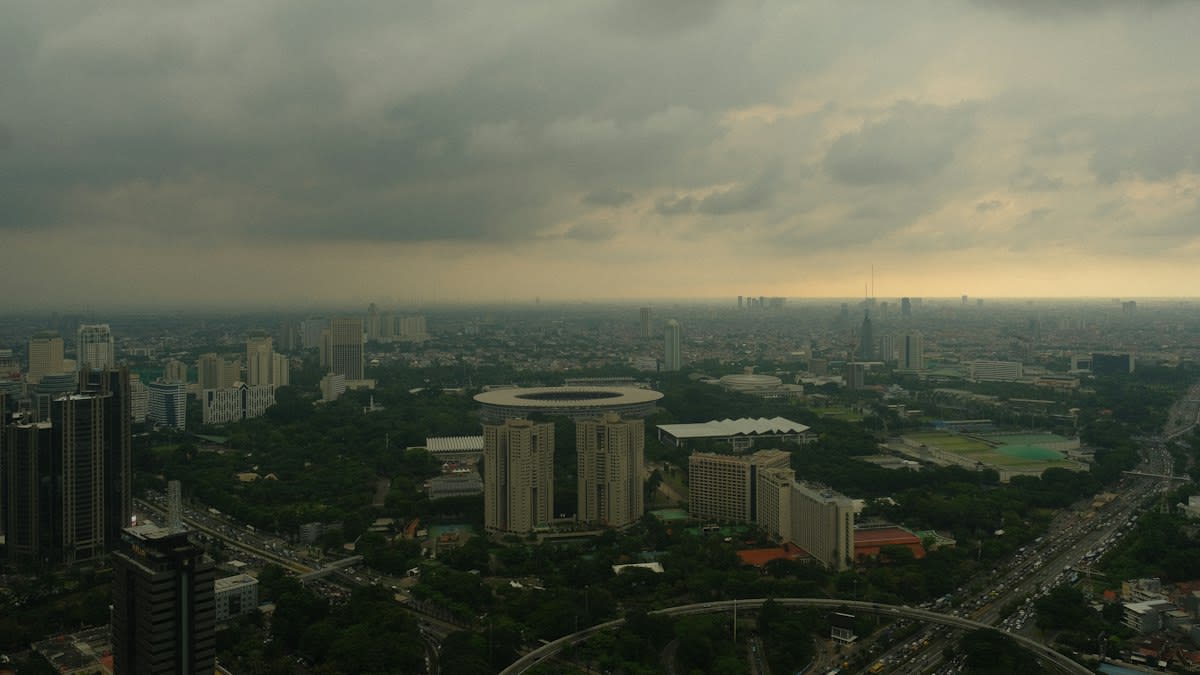
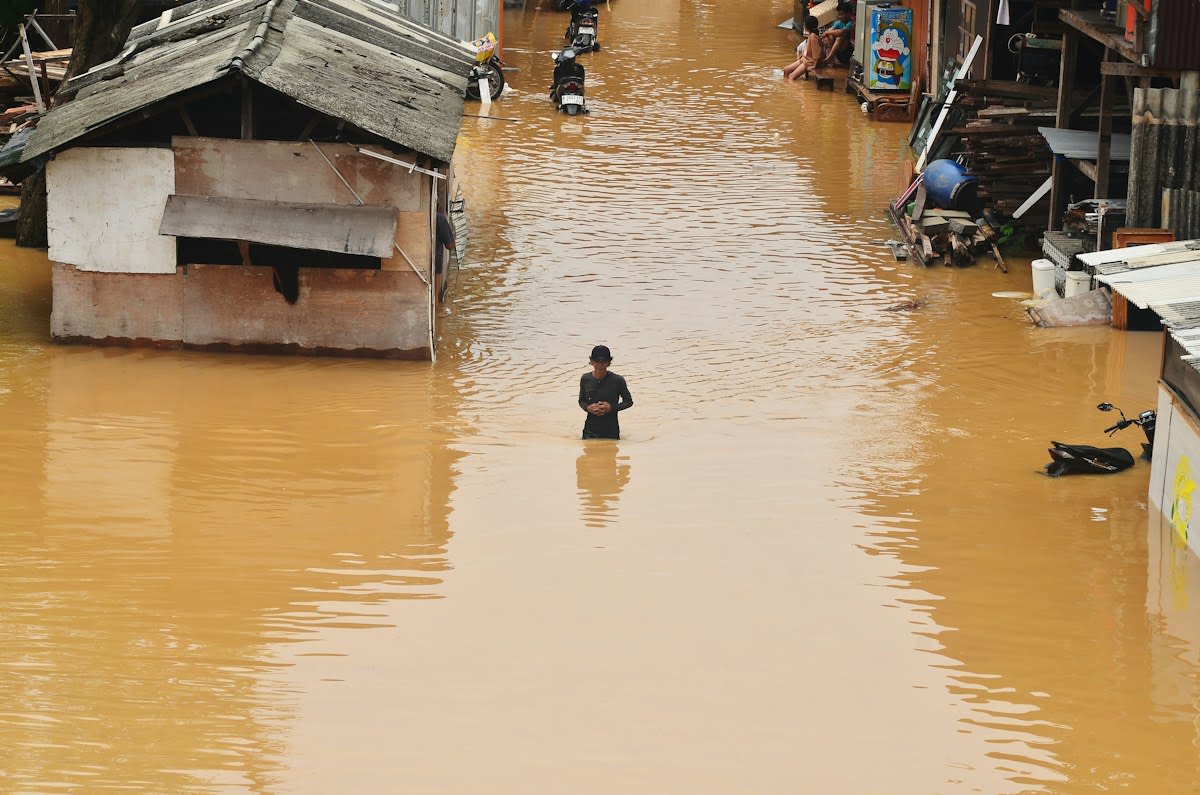
Jakarta fights rising tides. 40% of the city sinks annually (Source: World Bank, 2021). Water saturation levels have reached a breaking point. Concrete surfaces block rain from reaching the aquifer. Bitumen-black roads trap heat and runoff. Resulting floods now paralyze northern districts for weeks.
Rainfall patterns changed over the last 12 months. Data shows a 15% increase in flash flood frequency since mid-2023 (Source: C40 Cities, 2023). Previous strategies relied on massive pumps. Current efforts favor bioswales and permeable zones. Such changes reflect a desperation to stop land subsidence.
Porous Infrastructure Mechanics
Permeable pavements allow water to filter through. Such materials replace solid asphalt. Soil health improves when oxygen returns to the earth. Rain gardens capture runoff before it hits the sewers. These systems reduce the load on aging pipes by 30% (Source: Urban Water Forum, 2023).
Green roofs act as the first line of defense. Vegetation absorbs the initial hit of monsoon rains. Water evaporates or slowly drains into cisterns. This method lowers surface temperatures by 2 degrees Celsius (Source: Jakarta Environmental Agency, 2022). Urban heat islands diminish as greenery expands.
"Jakarta cannot simply build walls; it must breathe to survive the rising sea."— Dr. Heru Budi, Urban Planner at Jakarta Provincial Government
Practitioners face real friction on the ground. Developers hate permeable concrete because it costs 20% more than standard slabs (Source: Urban Water Forum, 2023). Hydrologists argue that the cost of flooding is higher. Debates rage over land use in North Jakarta. Real-world implementation often stalls due to zoning disputes.
| Surface Type | Runoff Rate | Absorption Capacity |
|---|---|---|
| Standard Asphalt | 90% | Low |
| Permeable Concrete | 25% | High |
| Bioswale/Garden | 10% | Very High |
Concrete jungles prevent natural recharge. Ground water extraction creates voids in the soil. Sinking land then pulls the city deeper into the Java Sea. Sponge logic attempts to reverse this by forcing water back underground. Success depends on city-wide adoption.
System Failure Points
Soil subsidence remains the primary failure point. Sinking land renders absorption useless. Water cannot soak into land that is already underwater. Pumping groundwater exacerbates the problem. Such a cycle creates a death spiral for coastal infrastructure.
Maintenance gaps often kill these projects. Silt clogs permeable pores within two years. Without vacuum sweeping, such sponges become stones. Many early pilots in Jakarta failed due to lack of cleaning budgets (Source: C40 Cities, 2023). Neglect turns a solution into a liability.
Pollution also hinders performance. Oil and chemicals from cars coat the pores. This film prevents water penetration. Filtering layers must be replaced frequently. Costly replacements often lead to abandonment by local contractors.
Measured Delta: 2023 vs 2024
Priorities changed between 2023 and 2024. Last year, the focus remained on the Great Sea Wall. Today, focus centers on inland retention basins. This change reflects a failure in purely defensive engineering. Government funds now favor nature-based solutions over concrete barriers.
Funding Shift: Sea Wall vs. Sponge Infrastructure
Executive Insight
+18.4%
YTD Growth
Current data indicates a 25% increase in green space allocation for new developments (Source: Jakarta Provincial Government, 2024). Budgetary reallocation suggests a long-term bet on absorption. Engineers are now prioritizing 'room for the river' concepts. Water is no longer viewed as an enemy to be expelled.
Urban planners now emphasize micro-sponges. Small-scale rain gardens replace large, centralized basins. This decentralized approach reduces the risk of total system failure. Local communities now manage their own absorption zones. Such ownership increases the longevity of the infrastructure.
Editorial Note
Editorial Note: This report relies on data from the World Bank and C40 Cities. The findings highlight a desperate pivot in urban planning necessitated by extreme land subsidence in North Jakarta.
Fact-Check & Accuracy Note
Fact-Check & Accuracy Note: Statistics regarding sinking rates (40%) and runoff reduction (30%) are based on 2021-2023 reports from the World Bank and Urban Water Forum. Figures for 2024 budget shifts are preliminary estimates from Jakarta Provincial Government data.