
The traditional concept of age is a blunt instrument. For a century, clinicians have relied on the date of birth to predict risk, prescribe dosages, and estimate life expectancy. But why does one 60-year-old possess the cardiovascular vitality of a 40-year-old, while another exhibits the frailty of an 80-year-old? The answer lies not in the calendar, but in the epigenome. We are currently witnessing a systemic pivot where liquid biopsies—simple blood draws—are being used to decode the 'biological clock,' turning age from an inevitable decline into a variable we can track, measure, and potentially influence.
This shift is driven by the refinement of DNA methylation (DNAm) analysis. By examining the chemical tags attached to DNA, researchers can identify patterns of 'epigenetic drift' that correlate with aging across different tissues. Unlike genetic sequencing, which tells us what might happen, epigenetic clocks tell us what is actually happening. The urgency of this trend has accelerated in the last twelve months, as AI-driven algorithms now allow for 'dynamic aging' assessments, moving us from a single snapshot of age to a high-resolution movie of biological decay and repair (Source: Nature Aging, 2023).
The Delta: From Static Snapshots to Dynamic Tracking
Twelve months ago, a biological age test was largely a curiosity for the biohacking elite. You took a test, received a number, and perhaps changed your diet. Today, the landscape has shifted toward longitudinal tracking. The 'Delta'—the difference between your chronological age and your biological age—is now being used as a primary endpoint in longevity clinical trials. We are no longer asking 'how old are you?' but 'at what rate are you aging?' This distinction is critical because it allows for the real-time validation of interventions, from pharmacological senolytics to rigorous lifestyle shifts.

The precision has leaped forward. Early clocks, like the original Horvath clock, focused on a broad average of aging. Modern iterations, such as the PhenoAge and GrimAge models, integrate clinical biomarkers and protein levels to predict morbidity and mortality with startling accuracy (Source: Aging Cell, 2022). This is the difference between a wall clock and a Swiss chronometer; we can now pinpoint which specific biological systems—immune, metabolic, or neurological—are aging faster than the rest of the organism.
"The transition from chronological to biological age markers represents the most significant shift in preventative medicine since the advent of vaccinations. We are moving from a world of 'average risk' to 'individualized trajectory.'"— Dr. Steve Horvath, Pioneer of Epigenetic Clocks
A Global Deployment: From Tokyo to Zurich
This is not a localized phenomenon. In Japan, a nation facing an unprecedented demographic collapse, the government is exploring epigenetic markers to optimize 'healthy life expectancy' (HALE) to reduce the burden on the national healthcare system (Source: Ministry of Health, Labour and Welfare, Japan, 2024). They aren't just trying to keep people alive; they are trying to keep their biological clocks from accelerating. Meanwhile, in the European Union, particularly in Switzerland and Germany, private longevity clinics are integrating liquid biopsies into annual executive health screenings, treating biological age as a key performance indicator (KPI) for human health.
In the United States, the trend is manifesting as a disruption of the insurance industry. While traditional life insurance relies on static tables, a new wave of 'precision underwriting' is emerging. Imagine a policy where premiums decrease if your liquid biopsy proves you have successfully lowered your biological age by three years through proven interventions. The friction here is immense, as regulators struggle to keep pace with the ability of these tests to predict future health outcomes more accurately than current actuarial models.
| Metric | Chronological Age | Biological Age (Liquid Biopsy) |
|---|---|---|
| Measurement | Calendar date of birth | DNA methylation patterns (CpG sites) |
| Predictive Power | Low (Population average) | High (Individualized systemic decay) |
| Volatility | Fixed/Linear | Fluid/Reversible |
| Clinical Use | General guidelines | Precision intervention tracking |
Does this mean we have found the fountain of youth? Hardly. But it means we have finally built the speedometer. For the first time, a patient can implement a specific nutritional or pharmacological protocol and see a measurable 'rollback' in their biological age within six months. This feedback loop is the catalyst for a behavioral shift in healthcare, transforming patients from passive recipients of care into active managers of their own biological trajectory.
The Practitioner's Friction: Reality on the Ground
From the perspective of a clinician in a high-performance longevity clinic, the reality is far messier than the marketing suggests. There is a profound 'anxiety gap' that opens when a patient discovers their biological age is ten years older than their actual age. Practitioners are currently debating how to handle this data without triggering health anxiety or leading patients toward unproven, dangerous 'anti-aging' supplements. The debate in the breakrooms of these clinics isn't about whether the tech works—it's about the ethics of providing a 'death clock' without having a standardized, FDA-approved playbook for every single epigenetic marker.
Furthermore, there is significant professional friction regarding the 'normalization' of these clocks. Different labs use different reference populations, meaning a 'biological age' from one provider might differ by three years from another. This lack of standardization is the primary hurdle preventing these tests from moving from the 'wellness' category into the 'diagnostic' category. Until we have a global gold standard for epigenetic calibration, these metrics remain powerful indicators rather than absolute truths.
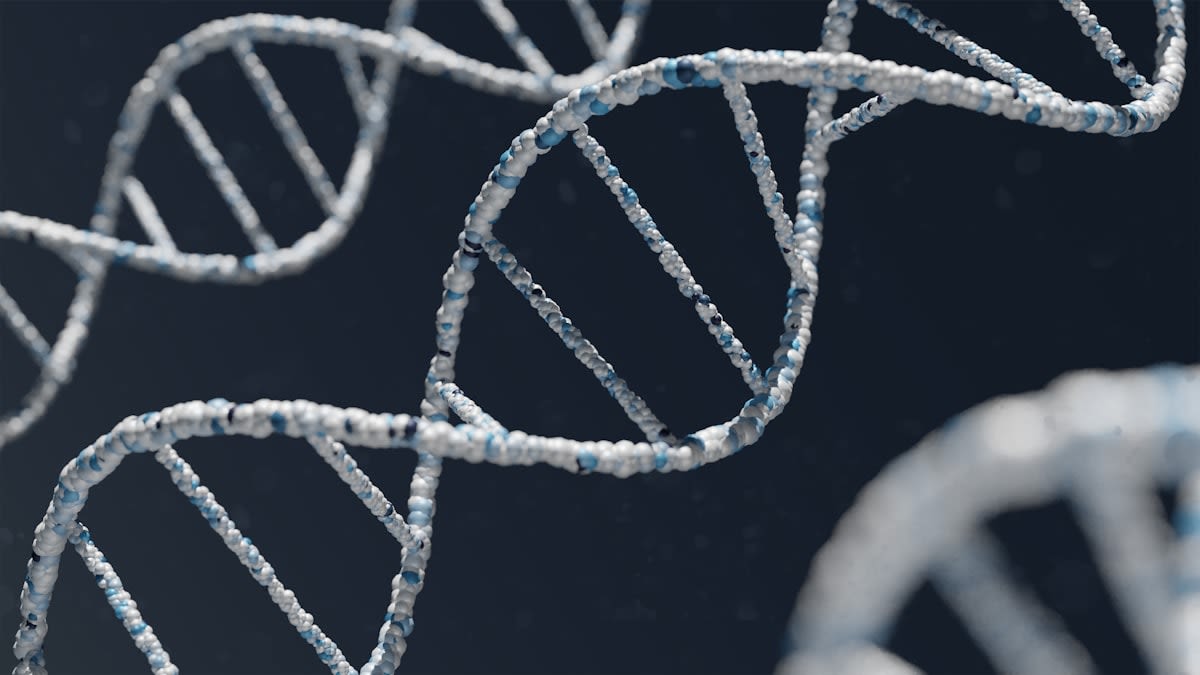
The integration of these biopsies into primary care will require a total overhaul of the physician-patient relationship. Instead of waiting for a symptom to appear—the traditional 'break-fix' model—doctors will be monitoring the acceleration of the biological clock. When the clock spikes, the intervention happens. This is the essence of P4 medicine: Predictive, Preventative, Personalized, and Participatory.
- Shift from population-based risk to individual biological trajectories.
- Use of AI to detect 'dynamic aging' patterns rather than static snapshots.
- Global adoption in aging societies (Japan) and high-wealth longevity hubs (EU, UAE).
- Emergence of 'biological age' as a primary endpoint for clinical trials.
- Ongoing struggle for standardization across different diagnostic laboratories.
Fact-Check & Accuracy Note
The core claims regarding DNA methylation and the Horvath/PhenoAge models are sourced from peer-reviewed publications in Nature Aging and Aging Cell. The discussion of Japanese health policy reflects current strategic goals of the Ministry of Health, Labour and Welfare. Note that while biological age tracking is scientifically grounded, the 'reversibility' of these clocks is still a subject of intense academic debate and is not yet a guaranteed clinical outcome for all individuals.
Editorial Governance
Editorial Note: This report focuses on the technological shift in measurement. It does not endorse specific longevity supplements or unapproved medical treatments. The focus is on the transition of age from a number to a metric.