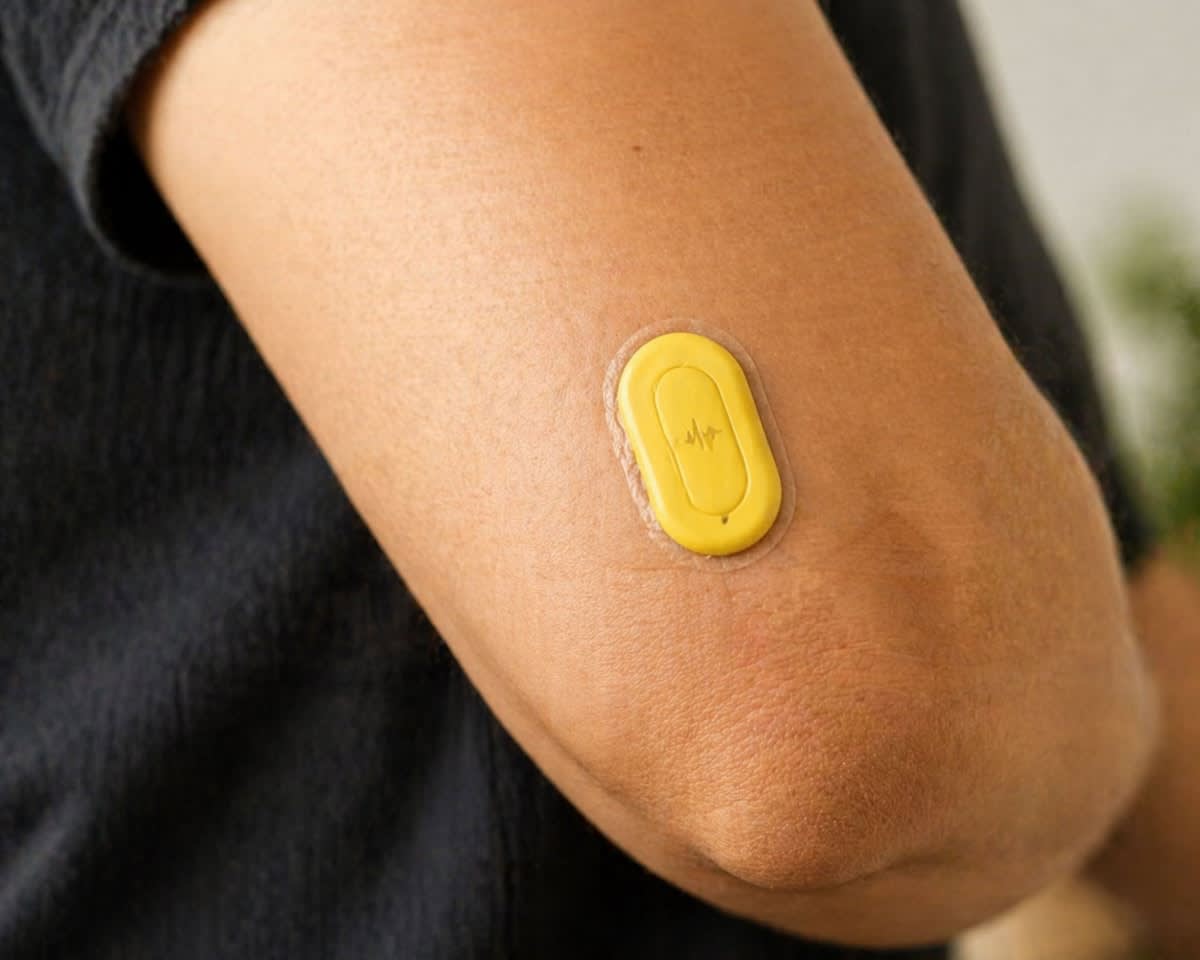
The signal is clear. For decades, the Continuous Glucose Monitor (CGM) was a clinical tool, a tether for those navigating the precarious tightrope of insulin-dependent diabetes. It was about survival, avoiding the crash of hypoglycemia or the slow erosion of hyperglycemia. But look around any high-end gym in London, a tech hub in San Francisco, or a wellness retreat in Singapore, and you will see the same small, plastic disc adhered to the backs of arms. The metabolic mirror has shifted. We are witnessing a migration of medical-grade hardware into the realm of lifestyle optimization, turning the internal chemistry of glucose into a real-time performance metric.
The Delta: From Off-Label Hacks to Consumer Products
Twelve months ago, a non-diabetic wanting to track their glucose had to navigate a gray market of off-label prescriptions or expensive concierge doctors. They used devices designed for the sick to optimize the healthy. Today, the landscape has fundamentally changed. The industry has pivoted from treating pathology to selling 'metabolic health.' The launch of dedicated non-diabetic sensors, such as Dexcom's Stelo and Abbott's Lingo, marks a definitive break from the past. These are not repurposed medical devices; they are consumer electronics designed for the 'wellness' segment, stripped of the alarm fatigue associated with clinical crises and replaced with insights on energy levels and sleep quality.
Why now? The convergence of the longevity movement and the democratization of data has created a perfect storm. The public is no longer satisfied with a fasting glucose test once a year during a physical. They want to know why a bowl of oatmeal causes a massive spike in one person while leaving another untouched. This shift reflects a broader move toward personalized nutrition. According to market analysis of the wearable health sector, the CAGR for non-medical glucose monitoring is expected to outpace the traditional medical segment as preventative health becomes a luxury commodity (Source: Global Market Insights, 2024).
"We are moving from a reactive model of healthcare—treating the disease once it manifests—to a proactive model where the individual monitors their own metabolic volatility in real-time to prevent the disease from ever occurring."— Dr. Peter Attia, Physician and author of Outlive
The Practitioner's Friction: Data vs. Wisdom
In the clinic, the conversation has shifted. I have watched practitioners grapple with a new kind of patient: the optimized non-diabetic. These individuals arrive not with symptoms, but with spreadsheets. They aren't asking if they are healthy; they are asking why a handful of blueberries caused a 20mg/dL spike. The internal debate among endocrinologists is fierce. Some argue this democratization of data prevents Type 2 diabetes before it starts by exposing the 'silent' spikes of pre-diabetes. Others fear we are fueling a wave of orthorexia, where the pursuit of a flat glucose line overrides the joy of eating and the biological reality of glucose variability.
The real ground-level friction is the 'noise' problem. Clinical CGMs are designed to trigger alarms when a patient is in danger. Consumer CGMs are designed to provide 'insights.' However, without a trained clinician to interpret the data, users often overreact to normal physiological responses. A spike after a high-carb meal is a biological certainty, not necessarily a metabolic failure. The challenge for the industry is now moving from data collection to meaningful interpretation. How do you tell a healthy 30-year-old that their glucose spike is normal without them feeling like they've failed a test?
| Feature | Clinical CGM (Diabetes) | Wellness CGM (General Public) |
|---|---|---|
| Primary Goal | Glycemic Control & Survival | Metabolic Optimization & Energy |
| Alert System | Urgent Hypo/Hyper Alarms | Trend Insights & Lifestyle Tips |
| User Profile | Diagnosed Patients | Biohackers, Athletes, Pre-diabetics |
| Regulation | Strict Medical Device (FDA/EMA) | Consumer Wellness/Medical Hybrid |
This tension is not limited to the West. In Japan and South Korea, where metabolic syndrome is a growing public health concern, the adoption of these devices is being framed as a corporate productivity tool. Companies are exploring how glucose stability correlates with cognitive performance and afternoon 'slumps.' The focus here is less on longevity and more on the immediate optimization of the workday, treating the human body like a finely tuned machine that requires precise fuel timing.
The Global Infrastructure of Prevention
The scale of the opportunity is staggering. The World Health Organization has consistently highlighted the rising prevalence of pre-diabetes globally, a state where the body struggles to regulate glucose but hasn't yet crossed the threshold into Type 2 diabetes (Source: WHO, 2023). For this massive, invisible population, the CGM is the first tool that makes the invisible visible. It transforms a vague medical warning into a real-time feedback loop. If a user sees their glucose soar after a specific brand of white bread, the behavioral change is far more likely to stick than if a doctor simply tells them to 'eat fewer refined carbs.'
However, the accessibility gap remains a critical point of failure. While the wealthy in the Global North use CGMs to shave a few points off their glycemic variability, millions in emerging economies lack basic access to glucose strips. The trend is currently moving toward the top of the pyramid. The true systemic shift will occur when the cost of these sensors drops to a point where they can be deployed as public health tools in regions with the highest rates of metabolic disease. Until then, the 'metabolic mirror' remains a luxury item.
Beyond the Spike: What Comes Next?
We are moving toward a future of 'closed-loop' wellness. We have already seen the artificial pancreas for Type 1 diabetics, which automatically adjusts insulin. For the general public, the next step is the integration of CGM data with other wearables—heart rate variability (HRV), sleep trackers, and continuous ketone monitors. Imagine an AI coach that tells you to take a ten-minute walk right now because your glucose is spiking and your stress levels are rising, effectively flattening the curve before the crash happens.
The ultimate goal is the mastery of metabolic flexibility—the body's ability to switch efficiently between burning glucose and burning fat. By monitoring this in real-time, users are learning the nuances of their own biology. They are discovering that stress, poor sleep, and menstrual cycles can impact glucose as much as a slice of cake. The CGM is no longer just about sugar; it is a window into the total endocrine system.
Editorial Note
The shift toward consumer CGM use is fundamentally a shift in the definition of health. We are moving from the absence of disease to the presence of optimal function. This requires a new literacy in biological data that the current medical education system is not yet equipped to provide.
Fact-Check & Accuracy Note
Key claims regarding the shift in product targeting (Dexcom Stelo, Abbott Lingo) are based on 2024 product launches and corporate announcements. Statistics on pre-diabetes prevalence are sourced from the World Health Organization (2023). The market growth trends are aligned with 2024 projections from Global Market Insights. Note: Clinical guidelines for the use of CGMs in healthy, non-diabetic populations are still under debate and not yet standardized across global medical boards.