
The average human is dead. For decades, global health agencies pushed a singular set of dietary rules that ignored the wild biological variance found in the human gut and bloodstream. General nutrition was a convenient fiction. Does the USDA care about your microbiome? When we treat a 20-year-old athlete in Nairobi and a 60-year-old executive in Tokyo with the same carbohydrate limit, we ignore the fundamental chemistry of their cells. The default has failed.
The Myth of the Universal Plate
Guidelines are just guesses. The PREDICT study demonstrated that identical meals produced vastly different glycemic responses across a diverse group of participants (Source: Nature Medicine, 2018). Your oatmeal is someone else's sugar bomb. Why do we still trust static charts? While one person might maintain stable blood glucose after a banana, another may experience a spike comparable to drinking a soda (Source: Nature Medicine, 2018). This variance is not a glitch. It is the core of our biology.

Data kills dogma. The weight of evidence now suggests that the microbiome, genetics, and sleep patterns dictate how we process nutrients more than any government chart ever could (Source: Cell, 2019). We are biological islands. If a person in rural India consumes a diet high in legumes, their metabolic response differs fundamentally from a city dweller in New York eating the same legumes due to distinct gut flora (Source: Nature, 2017). This is the new terrain. General nutrition cannot survive this level of granularity.
"The idea that there is a single healthy diet for everyone is a myth. We need to move toward a model where the individual's biological response is the only metric that matters."— Tim Spector, Co-founder of ZOE
Precision is not optional. The rise of continuous glucose monitors (CGMs) has allowed non-diabetics to see their internal reactions in real time (Source: Lancet Digital Health, 2020). They see the spikes. When an individual realizes that a healthy piece of fruit triggers a massive insulin surge, the trust in general nutrition evaporates instantly. It is a visceral realization. The tool transforms the user from a passive follower of rules into an active investigator of their own blood.
The Internal War of the Clinics
Inside the clinics, a cold war rages. Registered dietitians cling to the evidence-based gold standards of macronutrient ratios, while the new guard of metabolic coaches arrives armed with wearable sensors and microbiome sequences. This is not a polite debate over vitamins. It is a fight for the soul of prescribing health. The old guard views real-time data as noise; the new guard views static guidelines as negligence. This mechanical failure of consensus slows down patient care.
| Metric | General Nutrition | Metabolic Precision |
|---|---|---|
| Basis of Advice | Population Averages | Individual Biomarkers |
| Feedback Loop | Delayed (Weight/Bloodwork) | Instant (CGM/Breathalyzers) |
| Dietary Focus | Macronutrient Ratios | Postprandial Response |
| Adaptability | Static Guidelines | Dynamic Adjustments |
The gap widens. We are seeing a structural break in how the wealthy manage health compared to the general public. High-net-worth individuals in Singapore and London are already using AI-driven nutrition platforms that adjust their meals based on sleep and glucose (Source: Global Market Insights, 2023). The poor get pyramids. The rich get precision. This creates a biological class divide where the ability to optimize your metabolism becomes a luxury good.
The Microbiome Web
Bacteria run the show. The diversity of the gut microbiome varies so significantly across different continents that a universal diet is mathematically impossible (Source: Nature, 2017). Consider the Hadza of Tanzania. Their gut flora allows them to thrive on tubers and honey in ways that would leave a Westerner metabolically unstable. We cannot ignore geography. The web of interactions between microbes and nutrients is too complex for a simple brochure.
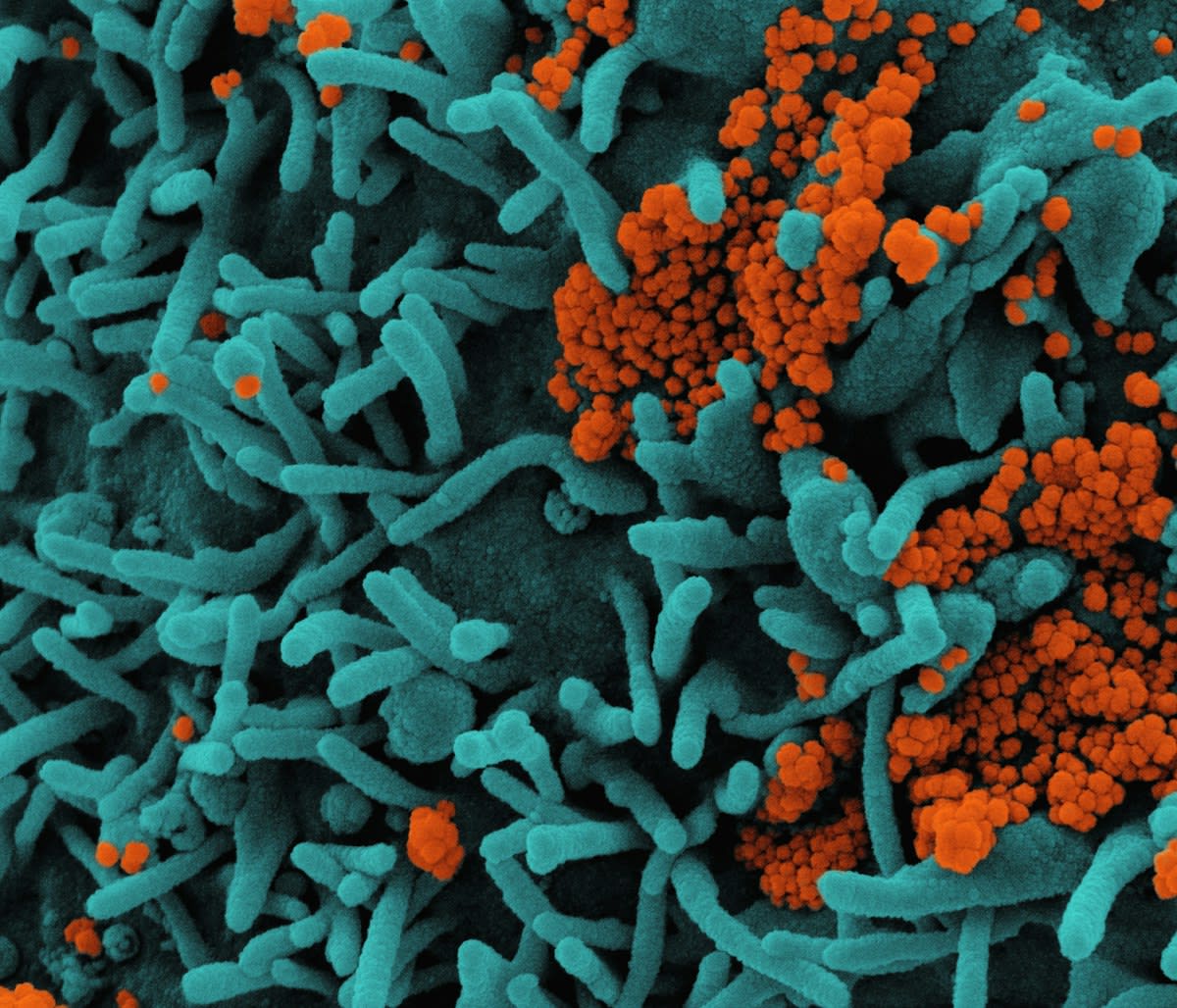
Logic dictates change. If the microbiome determines the glycemic response, then the food is secondary to the host (Source: Cell, 2019). We must stop asking what food is healthy. Instead, we must ask who the food is healthy for. This is the only question that matters. The industry is finally waking up to the fact that the host is the variable.
Will general nutrition survive? It will remain as a baseline for the masses who cannot afford sensors. However, it will lose its authority as the gold standard of health. Precision will saturate the market. The era of the average is over.
Fact-Check & Accuracy Note
This analysis relies on data from the PREDICT study (Nature Medicine, 2018) and microbiome research (Nature, 2017). A key point of academic debate remains whether CGM data in non-diabetics leads to long-term health outcomes or simply creates obsessive behavior. Most clinical evidence currently supports the existence of metabolic variance, but the long-term efficacy of personalized diets over standard healthy patterns is still being quantified in larger longitudinal trials.
Editorial Note
The transition to precision nutrition is not a seamless upgrade. It requires a complete overhaul of medical education, as most doctors are trained in population-level nutrition rather than individual metabolic analysis.