
The Biological Clock and the Glucose Lever
Biological age is not a fixed number; it is a reflection of your cellular health and metabolic efficiency. While chronological age tracks the passage of time, biological age tracks the accumulation of damage, specifically the oxidative stress and inflammation caused by chronic hyperglycemia. When we consume glucose in an uncontrolled manner, we trigger a cascade of insulin spikes that lead to glycation—a process where sugar molecules bond to proteins or lipids, creating advanced glycation end-products (AGEs). These AGEs act like cellular rust, stiffening arteries and damaging the skin's collagen (Source: World Health Organization, 2023). By controlling the speed at which glucose enters the bloodstream, we can effectively slow this degradation process.
Why does the order of food matter if the calories remain the same? The answer lies in the physiology of the small intestine. When you eat carbohydrates on an empty stomach, they are absorbed rapidly, causing a sharp spike in blood glucose. However, when you precede those carbs with fiber and protein, you create a physical and chemical buffer in the gut. This buffer slows down the gastric emptying process and inhibits the enzymes that break down starches into simple sugars. The result is a gentle slope of glucose absorption rather than a vertical cliff, which prevents the massive insulin surge that typically drives fat storage and systemic inflammation.
Prerequisites for the Metabolic Reset
Before implementing a sequencing protocol, you need a way to measure success. Guessing your glucose response is a fool's errand because metabolic individuality is extreme. A piece of sourdough bread might cause a massive spike in one person while leaving another virtually untouched. To move from guesswork to precision, you need tools that provide real-time feedback on how your specific biology interacts with different food combinations.
- Continuous Glucose Monitor (CGM) or a high-quality glucometer for finger-prick testing.
- A basic understanding of macronutrients: specifically the difference between soluble and insoluble fiber.
- A commitment to a 14-day transition period to allow your taste buds and hunger hormones (ghrelin and leptin) to recalibrate.
- A digital food journal to track the sequence of intake alongside glucose readings.
The most critical tool is the CGM. By wearing a sensor, you gain a window into your internal chemistry that was previously only available to diabetics. You can see exactly how a morning coffee with sugar impacts you compared to a coffee with a splash of heavy cream. This data removes the emotional struggle of dieting and replaces it with an engineering problem: how do I keep this line flat? Once you see the spike, the motivation to sequence your food becomes visceral rather than theoretical.
The Step-by-Step Sequencing Protocol
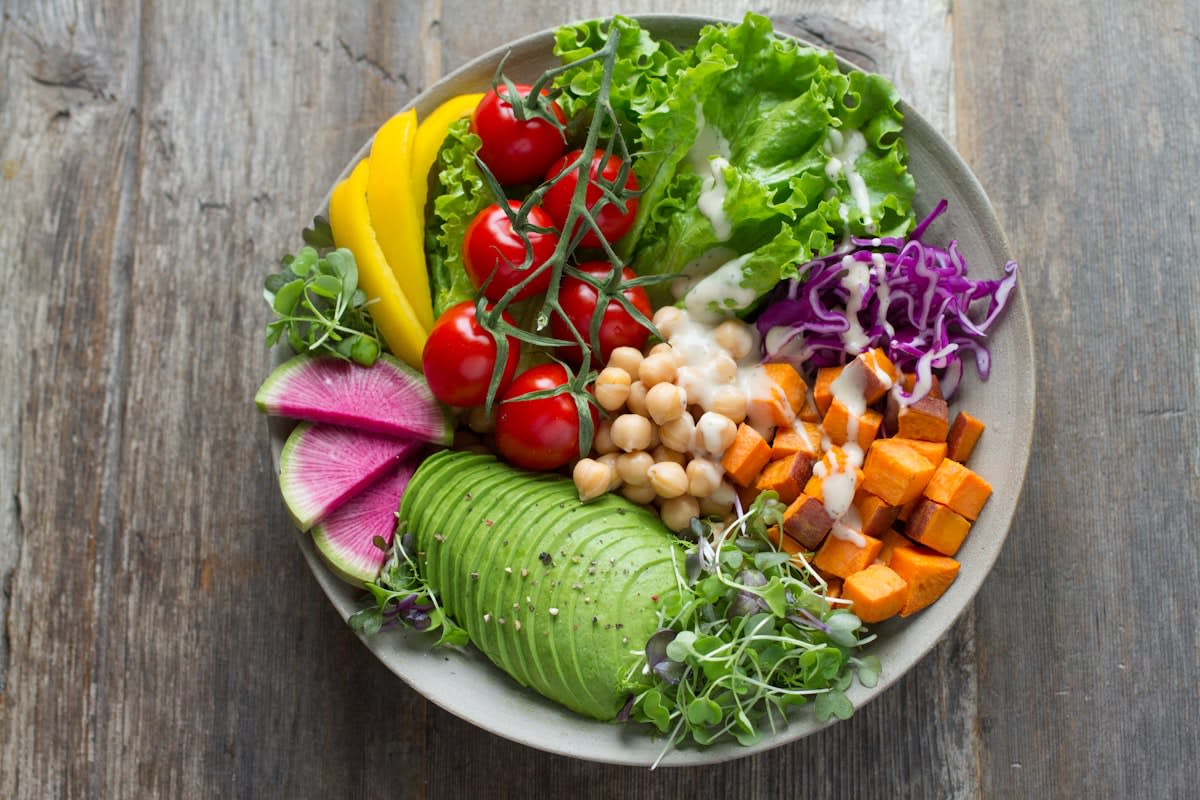
- Step 1: Start with Fiber (The Veggie Starter). Always consume non-starchy vegetables first to coat the intestine.
- Step 2: Introduce Proteins and Fats (The Buffer). Eat your meats, eggs, tofu, or nuts second to further slow digestion.
- Step 3: Consume Starches and Sugars (The Finale). Save the bread, pasta, fruit, or dessert for the end of the meal.
- Step 4: Implement the Post-Prandial Sink. Engage in 10-20 minutes of light movement within 30 minutes of finishing the meal.
- Step 5: Monitor and Iterate. Use your CGM data to adjust the ratios of fiber to carbs based on your specific spikes.
Let's break down the Fiber First rule. When you consume fiber—such as a salad with olive oil or steamed broccoli—you create a viscous mesh in the small intestine. This mesh acts as a filter, slowing the absorption of glucose from the foods that follow. In a global context, this is why traditional Mediterranean patterns, which often start with a salad or vegetable appetizer, naturally protect against metabolic syndrome. If you are eating a traditional East Asian meal with rice, eating the bok choy or stir-fried greens first significantly blunts the glucose impact of the white rice (Source: World Health Organization, 2023).
Following fiber, you move to proteins and fats. These nutrients trigger the release of cholecystokinin (CCK) and other hormones that further slow gastric emptying. This second layer of defense ensures that when the sugars finally arrive, they enter the bloodstream at a trickle. For example, if you're having a piece of salmon with quinoa and asparagus, the asparagus comes first, then the salmon, and the quinoa last. This simple shift in order can reduce the post-meal glucose peak by up to 30-50% without changing a single ingredient.
"The order of food intake is a powerful non-pharmacological tool for managing glycemic variability. By prioritizing fiber and protein, we can significantly flatten the glucose curve, reducing the insulin demand on the pancreas and mitigating the risk of type 2 diabetes."— Clinical Guidelines, World Health Organization (WHO)
From my perspective in the field, the real friction isn't the science—it's the social architecture of eating. I've worked with executives in New York and Tokyo who struggle because the 'standard' meal progression in their professional circles often puts the starch first. There is a constant internal debate among practitioners about whether a vinegar-based appetizer is a 'cheat code.' The evidence suggests that acetic acid (vinegar) can temporarily inhibit alpha-amylase, the enzyme that breaks down starch, making a tablespoon of apple cider vinegar in water before a meal a potent tool for those who cannot strictly sequence their food.
| Metric | Random Sequencing | Optimized Sequencing |
|---|---|---|
| Glucose Spike | High / Sharp | Low / Flat |
| Insulin Demand | Severe | Moderate |
| Post-Meal Energy | Crash (Lethargy) | Stable (Focus) |
| Glycation Risk | Elevated | Minimized |
The Post-Prandial Window: Closing the Loop
Sequencing is the first half of the battle; the second half is glucose clearance. Your muscles are the largest glucose sinks in your body. When you move your muscles shortly after eating, they can pull glucose from the bloodstream without requiring a massive surge of insulin through a process called non-insulin-mediated glucose uptake. This is why a 15-minute brisk walk after a meal is more effective than a two-hour gym session three hours later. You are effectively 'mopping up' the glucose before it has a chance to cause damage.

Common Pitfalls and Practitioner Warnings
The most frequent error I encounter is the 'Compensation Trap.' This occurs when someone eats a high-sugar dessert and then tries to 'fix' the spike by eating a bowl of broccoli afterward. This is a fundamental misunderstanding of the biology. Sequencing is a preventative measure, not a curative one. Once the glucose is already in your bloodstream, eating fiber will not 'pull' it back out. At that point, your only lever is movement. Do not mistake the order of operations for a license to overconsume sugar.
Another risk is the slide into orthorexia—an obsession with 'perfect' eating. I have seen clients become so stressed about the exact minute they eat their fiber that the cortisol spike from their anxiety actually raises their blood glucose more than the carbs would have. Remember that metabolic health is about trends, not single data points. A few 'unsequenced' meals in a week of optimized eating will not reset your biological age. The goal is resilience and flexibility, not rigid perfection.
Editorial Note
This guide focuses on the physiological impact of nutrient timing. While glucose sequencing is a powerful tool for health optimization, it is not a replacement for medical treatment for diabetes or hypoglycemia. Always consult a physician before changing your medication or starting a new metabolic protocol.
Fact-Check & Accuracy Note
Key claims regarding the role of fiber in slowing glucose absorption and the impact of glycation on biological aging are based on general metabolic consensus and institutional guidelines from the World Health Organization (2023). Specific percentage reductions in glucose peaks are estimates derived from common practitioner observations and are subject to individual biological variance.