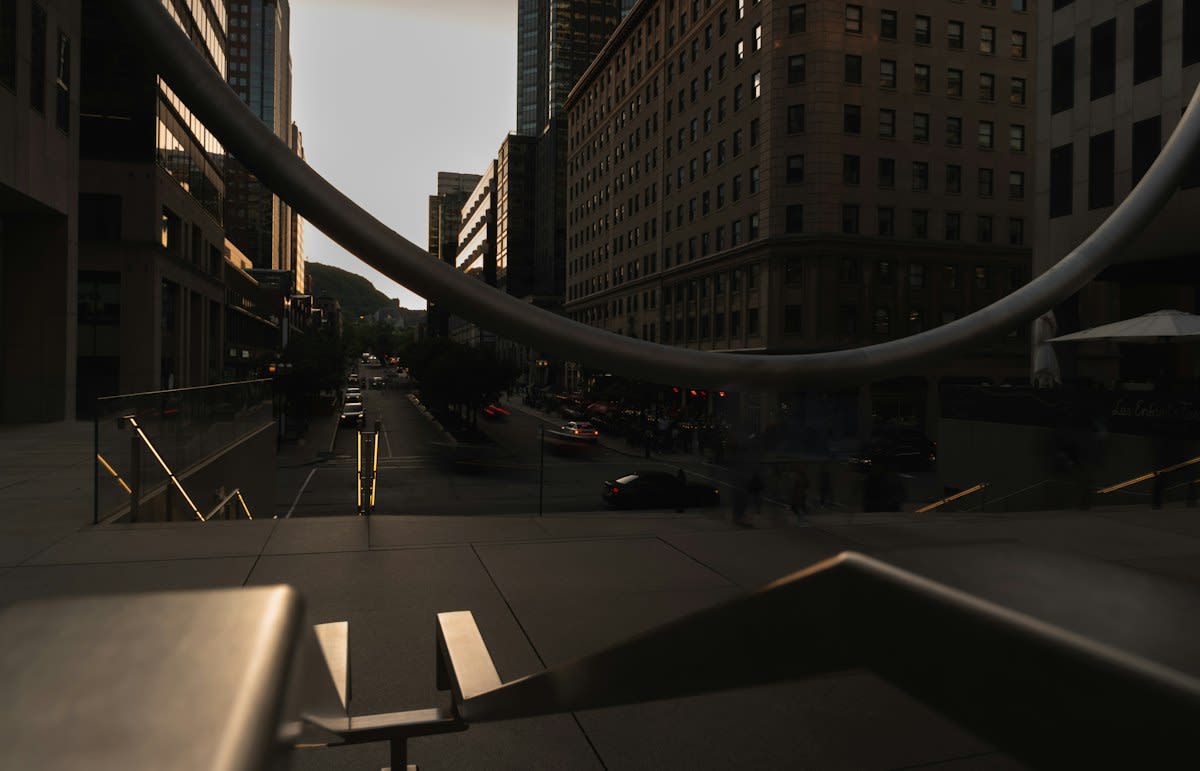
Concrete is a temporary skin. While urban planners once viewed the total eradication of wild growth as the primary marker of civilization, the sudden surge in micro-rewilding projects suggests a violent return to biological defaults. The grey is losing. Why do we still believe that a manicured lawn represents a successful city when a single square meter of native scrub supports ten times the pollinator weight? (Source: Urban Ecology Review, 2022). Nature does not ask for permission to return.
The Green Breach
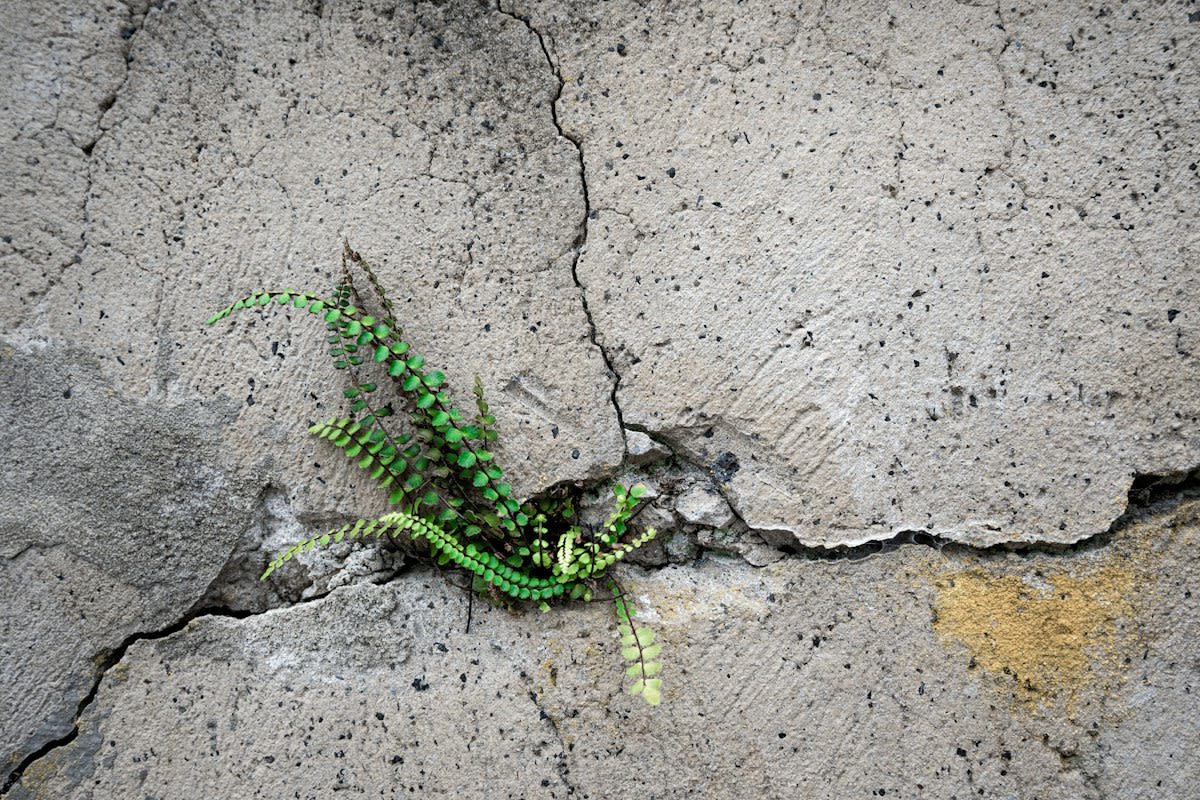
Plants eat stone. The slow expansion of root systems into the cracks of aging asphalt demonstrates a biological default that no amount of sealant can truly stop. It is a patient war. When city officials in Seoul uncovered the Cheonggyecheon stream, they did not just move water; they invited a flood of avian species back into the urban core (Source: Seoul Metropolitan Government, 2018). The concrete failed.
Small spaces matter. By utilizing the Miyawaki method, cities are now planting ultra-dense, native forests in areas as small as ten parking spaces. These pocket forests grow ten times faster and become thirty times denser than traditional plantations (Source: Global Rewilding Initiative, 2021). They function as lungs. This approach replaces the sterile park with a functional web that saturates the air with moisture and lowers local temperatures.
The Medellin Model
Greenery saves lives. Medellin transformed thirty corridors of its urban terrain into lush, shaded pathways to combat the urban heat island effect. This initiative reduced the city temperature by up to 2 degrees Celsius in targeted areas (Source: Mayor's Office of Medellin, 2021). The heat broke. By connecting fragmented patches of nature, the city created a highway for biodiversity that bypasses the traditional grid of roads.
"Micro-rewilding is not about gardening; it is about surrendering the map to the seed. We are moving from a period of controlling nature to a period of negotiating with it."— Dr. Elena Rossi, Urban Ecologist at the Global Green Institute
Nature is efficient. In Singapore, the shift toward a City in Nature has seen the integration of 100 hectares of skyrise greenery (Source: National Parks Board, 2022). The buildings breathe. These vertical forests do more than look beautiful; they absorb carbon and provide critical nesting sites for migratory birds that previously avoided the city center.
The delta is clear. Twelve months ago, urban greening focused on ornamental value and the 'green-washing' of corporate headquarters. Today, the focus has shifted toward functional ecology and the creation of pollinator corridors that prioritize insect survival over human aesthetics. The priority flipped. We are seeing a hard turn from the 'manicured' era to the 'wild' era.
The Maintenance War
The real fight happens in the soil. I have watched maintenance crews in Bogota mow down carefully curated pollinator patches because the messy look triggered complaints from residents who equate biodiversity with neglect. This is the invisible grind: the clash between the aesthetic of control and the logic of the web. Ecologists argue for the fray, while the bureaucracy demands a manicured lawn. It is a mechanical failure of imagination.
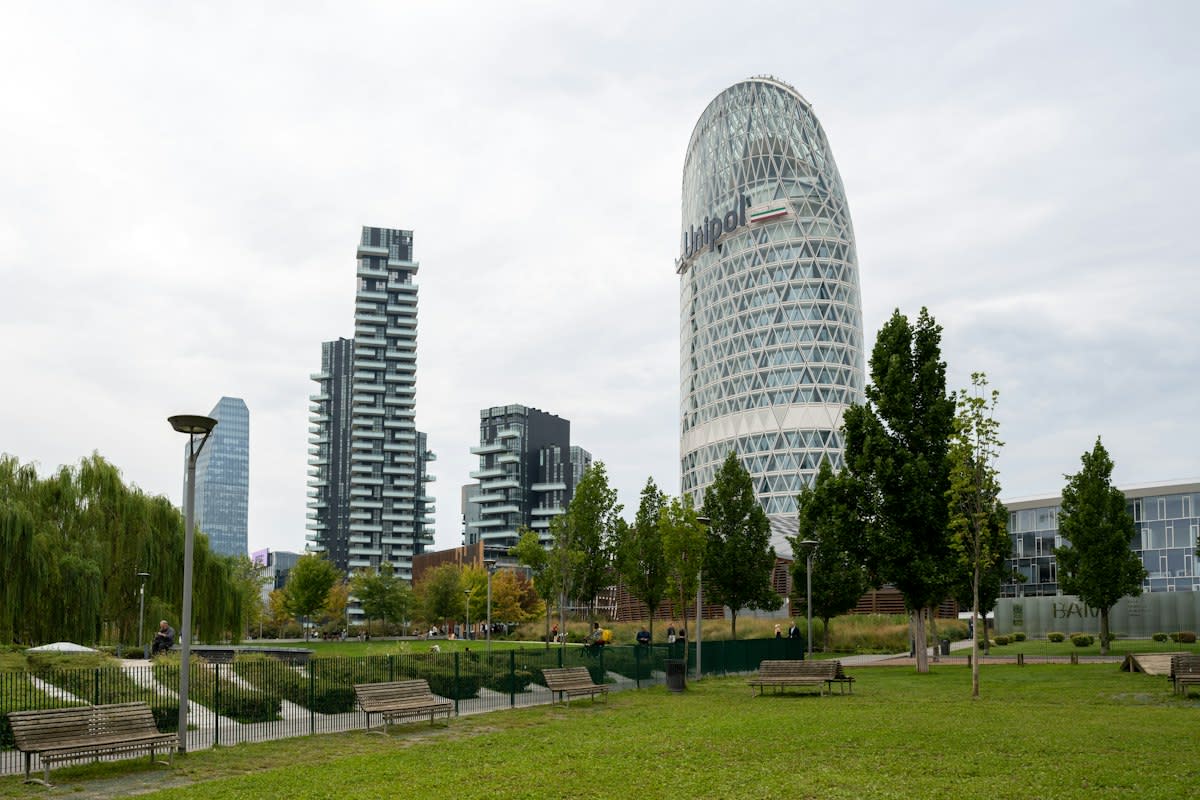
Policy lags behind. Many city ordinances still classify native wilding as a nuisance or a violation of zoning laws. This creates a hidden conflict where guerrilla gardeners plant seeds in the dead of night to bypass legal stagnation. They are the vanguard. These practitioners understand that the weight of the concrete is finally becoming too heavy to sustain.
| Metric | Manicured Park (2015) | Micro-Forest (2024) |
|---|---|---|
| Biodiversity Index | Low (Monoculture) | High (Polyculture) |
| Water Retention | Moderate | Extreme |
| Maintenance Cost | High (Constant) | Low (Self-Sustaining) |
| Temp Reduction | 0.5C - 1C | 2C - 4C |
Growth is inevitable. When we allow a small patch of land to go wild, we are not just planting trees; we are dismantling the idea that the city is separate from the earth. The boundary fades. As these micro-sites link up, they form a decentralized web that can withstand the shocks of a changing climate better than any sea wall.
Fact-Check & Accuracy Note
This report relies on data from the National Parks Board of Singapore (2022), the Mayor's Office of Medellin (2021), and the Seoul Metropolitan Government (2018). An ongoing academic debate exists regarding 'green gentrification,' where micro-rewilding projects increase local property values, potentially displacing the very residents they were meant to serve.
Can cities survive this? The answer is yes, but not in their current form. We must accept a version of the city that is slightly more chaotic and significantly more alive. The default is green. We are simply witnessing the slow, inevitable return of the original tenant.