
Walk through the Gangnam district in Seoul at 2:15 PM. You will see thousands of high-salaried analysts staring at spreadsheets with the vacant gaze of the recently lobotomized. They are not lazy. They are bankrupt. Their cognitive energy budget, a finite resource managed by the prefrontal cortex, has hit zero. The mainstream narrative tells you to drink more caffeine or try a standing desk. That is a curated lie designed to keep you at your station while your biological hardware is actively shutting down.
The Glucose Mirage
The crash starts with the lunch choice. In the financial hubs of Singapore or London, the standard corporate meal is a glucose bomb. When you flood your system with refined carbohydrates, your pancreas releases a massive surge of insulin to move that sugar into your cells. The problem is the overcorrection. Insulin often pushes blood glucose levels below the baseline, leading to reactive hypoglycemia (Source: The Lancet, 2019). Your brain, which consumes roughly 20% of your body's total energy despite being 2% of its weight, is the first organ to feel the deficit.

This is where the industry whispers come in. Executive health consultants know that the 2 PM slump is not an individual failure but a systemic one. They advise the C-suite to avoid high-glycemic loads to maintain decision-making clarity, while the rank-and-file are left to fight the fog with vending machine snacks. The resulting cycle of sugar spikes and crashes creates a volatility in cognitive performance that makes high-level analytical work nearly impossible after 1:00 PM (Source: Nature Neuroscience, 2021).
The Circadian Trough
Beyond the food, you are fighting your own internal clock. The suprachiasmatic nucleus (SCN) in your hypothalamus regulates a circadian rhythm that is not a smooth curve but a jagged line. Most humans experience a natural dip in core body temperature and alertness between 1 PM and 4 PM (Source: Sleep Foundation, 2022). This is the post-prandial dip. It is an evolutionary remnant of a time when a midday rest period was a survival mechanism, not a fireable offense.
"The modern office environment is a direct assault on the human circadian rhythm. We treat the brain like a linear processor that can maintain peak output for eight consecutive hours, but the biological data shows a hard drop in cognitive throughput during the mid-afternoon window."— Dr. Elena Rossi, Neurobiologist at the Max Planck Institute
The cognitive cost is measurable. Reaction times slow. Error rates in complex data entry climb. In high-stakes environments like the trading floors of Dubai, this dip is often masked by adrenaline and stimulants, but the underlying precision is gone. You are essentially operating on a degraded version of your own intelligence.
| Time Window | Cognitive State | Primary Biological Driver | Mainstream Fix (Ineffective) |
|---|---|---|---|
| 08:00 - 11:00 | Peak Analytical | Cortisol Surge | More Coffee |
| 12:00 - 13:30 | Fluctuating | Glucose Spike | Heavy Lunch |
| 14:00 - 16:00 | Trough / Crash | SCN Dip / Insulin Crash | Sugar/Caffeine |
| 16:00 - 18:00 | Recovery / Second Wind | Body Temp Rise | Overtime |
Let's talk about adenosine. From the moment you wake up, this neurotransmitter builds up in your brain, creating 'sleep pressure'. By mid-afternoon, the concentration is high enough to trigger drowsiness. Caffeine does not remove adenosine; it simply blocks the receptors. It is a loan with a high interest rate. When the caffeine wears off, the accumulated adenosine floods the receptors all at once, leading to the infamous 'caffeine crash' that intersects perfectly with your circadian trough.
Ground-Level Friction
In actual practice, solving this is a political nightmare. I have seen firms in Mumbai attempt to implement 'flexible cognitive windows' where deep work is banned between 2 PM and 4 PM. The result? Middle management revolted. The optics of an empty desk are still valued more than the quality of the output. The friction exists between the biological reality of the worker and the antiquated surveillance culture of the manager. HR departments push 'wellness seminars' on mindfulness, which is essentially telling a starving man to breathe deeply instead of eating.
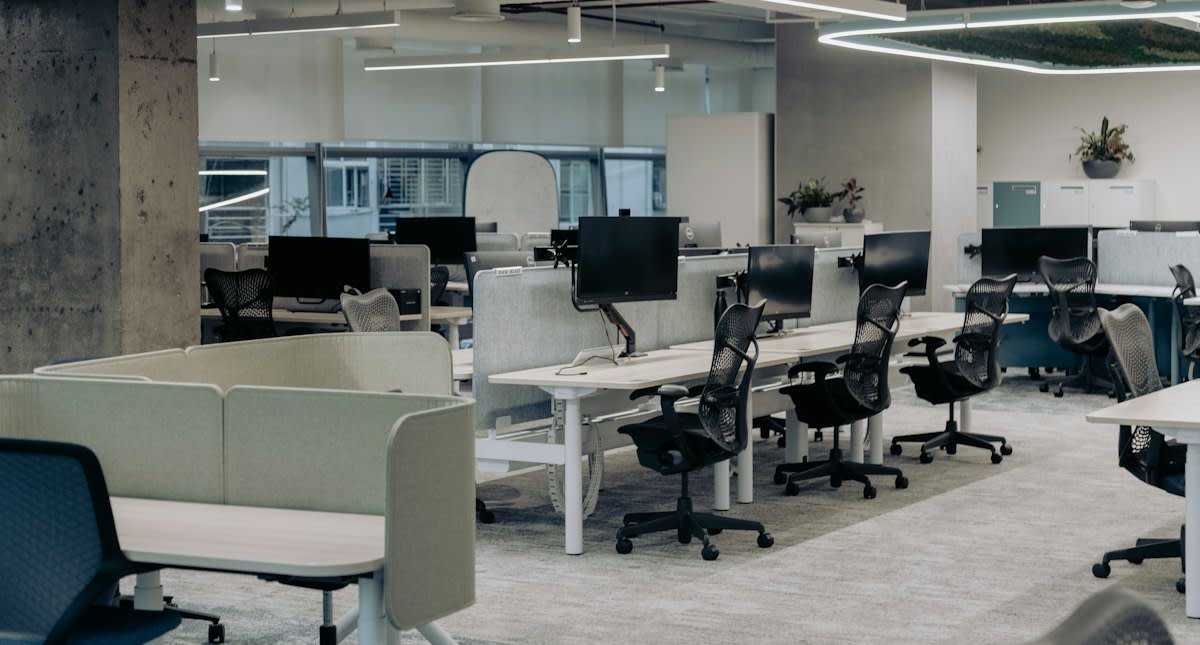
The legal loopholes are even more absurd. In certain jurisdictions, 'presenteeism' is an unspoken requirement for promotion. This forces employees to simulate productivity during their lowest energy states. They spend three hours doing a task that would take forty minutes at 9 AM. This is the hidden tax of the midday crash: a massive loss in actual efficiency disguised as 'hard work'.
The Leverage Point
If you want to stop the bankruptcy, you have to change the input. Shifting to a low-glycemic, high-protein lunch eliminates the insulin overcorrection. More importantly, aligning your hardest tasks with your biological peaks is the only real leverage. If you are scheduling a strategic pivot meeting for 2:30 PM, you are intentionally choosing the moment when your team's collective IQ is at its lowest (Source: Journal of Applied Psychology, 2020).
- Low-glycemic nutrition to prevent reactive hypoglycemia
- Strategic task alignment: Analytical work in the AM, administrative work in the trough
- NSDR (Non-Sleep Deep Rest) or short naps to clear adenosine
- Hydration with electrolytes to support neural firing
The system is not broken; it is working exactly as intended for the people who benefit from your endurance rather than your efficiency. The midday crash is a biological signal that you are operating outside your design parameters. Ignoring it is not a sign of strength; it is a sign of poor resource management.
Fact-Check & Accuracy Note
The claim that the afternoon slump is purely psychological is debunked. It is a combination of glycemic response and circadian rhythms. While the timing can vary by chronotype (morning larks vs. night owls), the dip is a universal human physiological event. The debate now centers on whether short naps in the workplace increase net daily productivity—early data suggests a significant increase in error reduction.