Supreme Court says it cannot interfere in criteria for SC/ST reserved constituencies
Source Entity
DHANANJAY MAHAPATRA
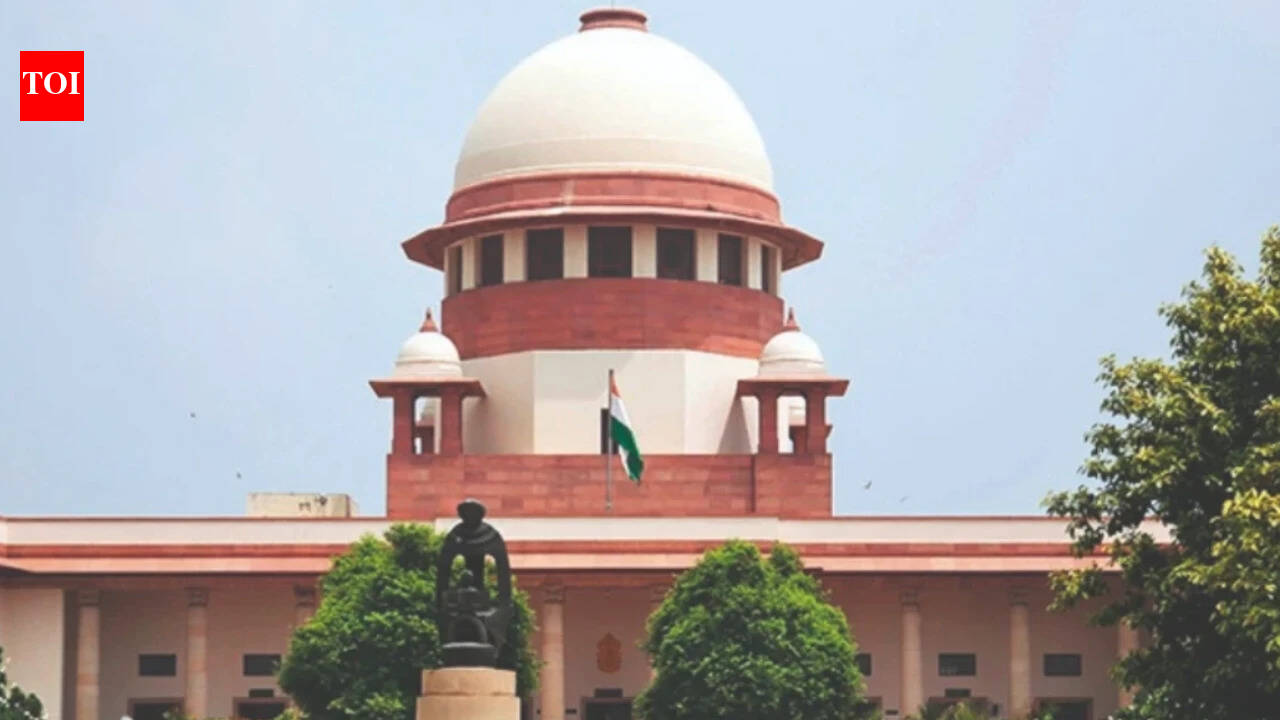
The Supreme Court of India has dismissed a plea seeking mandatory rotation of SC/ST reserved constituencies, stating the issue rests with the legislature. Chief Justice Surya Kant emphasized that the Delimitation Act does not mandate periodic rotation and advised the petitioner to seek political consensus.
Supreme Court Rejects Mandatory Rotation of SC/ST Seats
Judicial Restraint and Legislative Domain
In a significant ruling delivered on November 4, 2026, the Supreme Court of India, led by Chief Justice Surya Kant and Justices Joymalya Bagchi and V. Mohana, decisively rejected a plea seeking the mandatory rotation of constituencies reserved for Scheduled Castes (SCs) and Scheduled Tribes (STs). The Court clarified that the power to alter the framework of reserved constituencies lies exclusively within the domain of the legislature. By upholding the Allahabad High Court’s judgment, the bench reaffirmed that the judiciary cannot encroach upon policy decisions that fall under the purview of Parliament.
Understanding the Delimitation Act, 2002
At the heart of the legal dispute was Section 9(1)(c) of the Delimitation Act, 2002. This provision dictates that reserved constituencies are identified based on areas containing a comparatively higher proportion of SC/ST populations. The petitioner, Jagdish Singh, sought to challenge this by advocating for a periodic rotation system. However, the Supreme Court noted that the existing Act does not contain a mandate for such rotation, and the Court lacks the constitutional authority to rewrite statutory provisions to satisfy the petitioner’s demand for change.
The 'Wrong Number' Quip and Judicial Philosophy
During the proceedings, Chief Justice Surya Kant famously remarked that the petitioner was "dialling the wrong number" by bringing the issue to the courtroom. This colorful metaphor underscores the Court's strict adherence to the separation of powers. By suggesting that the petitioner approach elected representatives to build a political consensus, the CJI highlighted that systemic changes to electoral representation are inherently political processes that require democratic debate rather than judicial fiat.
Implications for Electoral Representation
This decision carries profound implications for the Indian electoral landscape. The current system of static reservation is designed to ensure consistent representation for marginalized communities in areas where their population density is high. Implementing a mandatory rotation system would fundamentally alter the relationship between representatives and their constituents. The Court’s refusal to interfere preserves the stability of the current delimitation framework, effectively placing the burden of reform on the shoulders of the legislative branch.
The Path Forward: Political Advocacy vs. Legal Action
By advising the petitioner to organize public protests or engage in political advocacy, the Court has drawn a clear line regarding where the battle for electoral reform must be fought. For advocates of rotating reserved seats, this ruling signals that legal litigation is not the appropriate mechanism for change. Instead, the focus must shift toward lobbying Parliament and generating broad-based political support to amend the Delimitation Act, 2002, if they wish to see a transformation in how SC/ST constituencies are assigned.
Conclusion
Ultimately, the Supreme Court’s dismissal of this plea reinforces the principle of judicial restraint in matters of legislative policy. By refusing to deviate from the text of the Delimitation Act, the bench has ensured that the current structure remains intact until such time as the legislature deems it necessary to intervene. The ruling stands as a reminder that in a constitutional democracy, while the courts protect rights, the crafting of electoral architecture remains a function of the elected representatives.