Bihar CM says ‘crime might happen, but not apradh’; Tejashwi takes swipe
Source Entity
ROHITASHWA RANJAN
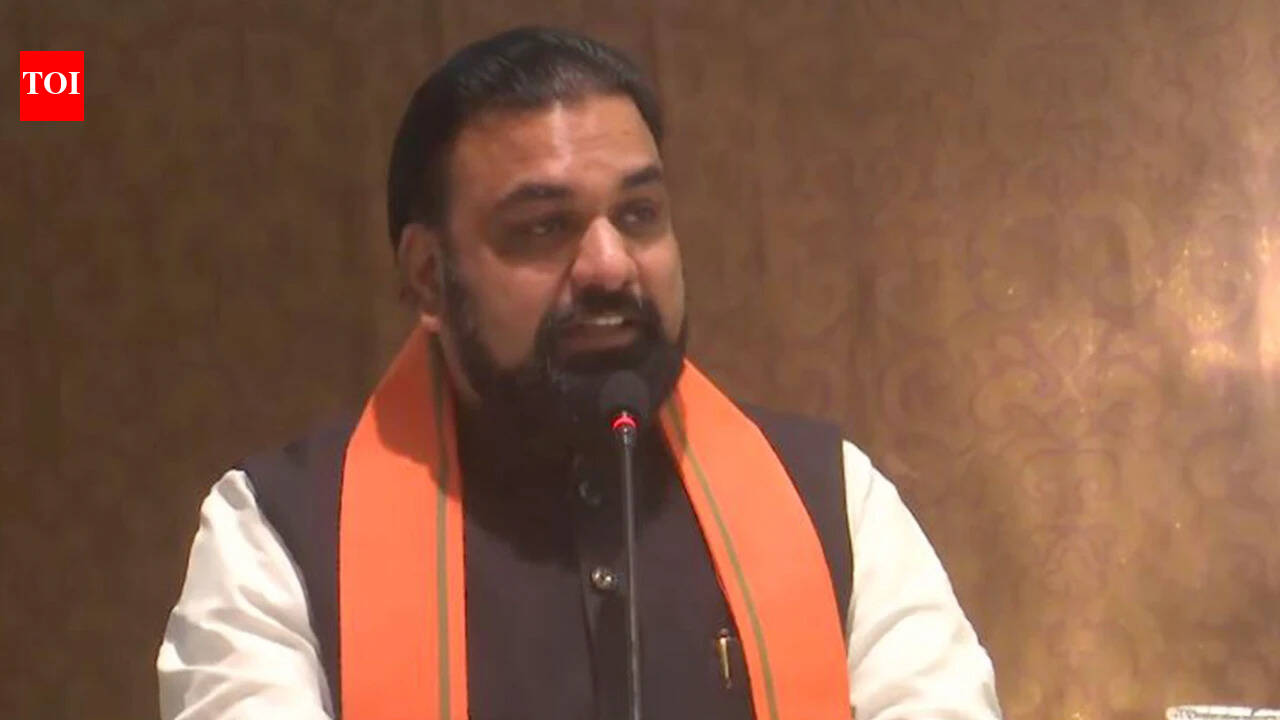
Bihar Deputy CM Samrat Choudhary faces backlash for claiming the concept of 'apraadh' (offense) has been eliminated in the state. Opposition leader Tejashwi Yadav has mocked the statement, questioning the government's credibility regarding law and order.
The Semantics of Governance: Bihar’s Political Row
Recent political discourse in Bihar has taken an unusual turn following comments made by Deputy Chief Minister Samrat Choudhary. While addressing an event organized by the National Highways Authority of India in Delhi, Choudhary asserted that while "crimes" might occur in Bihar, the concept of "apraadh" (offense) has been effectively eliminated. This semantic distinction has sparked significant controversy, as it attempts to decouple the occurrence of illicit acts from the institutional existence of criminal intent or systemic failure.
The Opposition’s Counter-Narrative
Tejashwi Yadav, the Leader of the Opposition in the Bihar Assembly and RJD working president, was quick to seize upon the statement. By sharing a video of the remarks on the social media platform X, Yadav framed the comment as an absurdity, effectively questioning the intellectual and administrative integrity of the current NDA government. His critique centers on the notion that a government leader should not be minimizing the reality of law and order issues through linguistic gymnastics.
Implications for Bureaucracy and Governance
Beyond the political point-scoring, Yadav’s reaction highlights a deeper concern regarding the relationship between the political executive and the state’s bureaucracy. By asking whether bureaucrats feel "honored or humiliated" by such statements, the Opposition is suggesting that the government’s rhetoric may be creating a disconnect between the ground reality of law enforcement and the official narrative presented by the leadership. This friction can often lead to a decline in administrative morale, as officials are forced to reconcile political rhetoric with the technical requirements of public safety.
Contextualizing the Law and Order Debate
The NDA government in Bihar has consistently maintained that its tenure has brought crime rates under control through enhanced and stricter policing measures. However, the use of phrases like "no apraadh" creates a vulnerability in their communication strategy. When political leaders attempt to redefine standard legal terminology to suit a narrative of success, they risk alienating the public, who judge governance based on daily experiences of safety rather than abstract definitions of crime.
Future Trends and Political Fallout
Looking ahead, this exchange suggests that law and order will remain a primary battleground for the upcoming political cycles in Bihar. The RJD’s strategy of mocking the Deputy CM’s statements indicates a push to portray the current administration as disconnected from the realities of the state. As the government continues to focus on infrastructure development—highlighted by the agreement signed with the Union Ministry of Road—the Opposition will likely continue to contrast these developmental claims against the persistent debates regarding state security and the administration’s public rhetoric.