This Election Day, remember which party ran against EVs and tethered us all to the gas pump
Source Entity
Andrew J. Hawkins
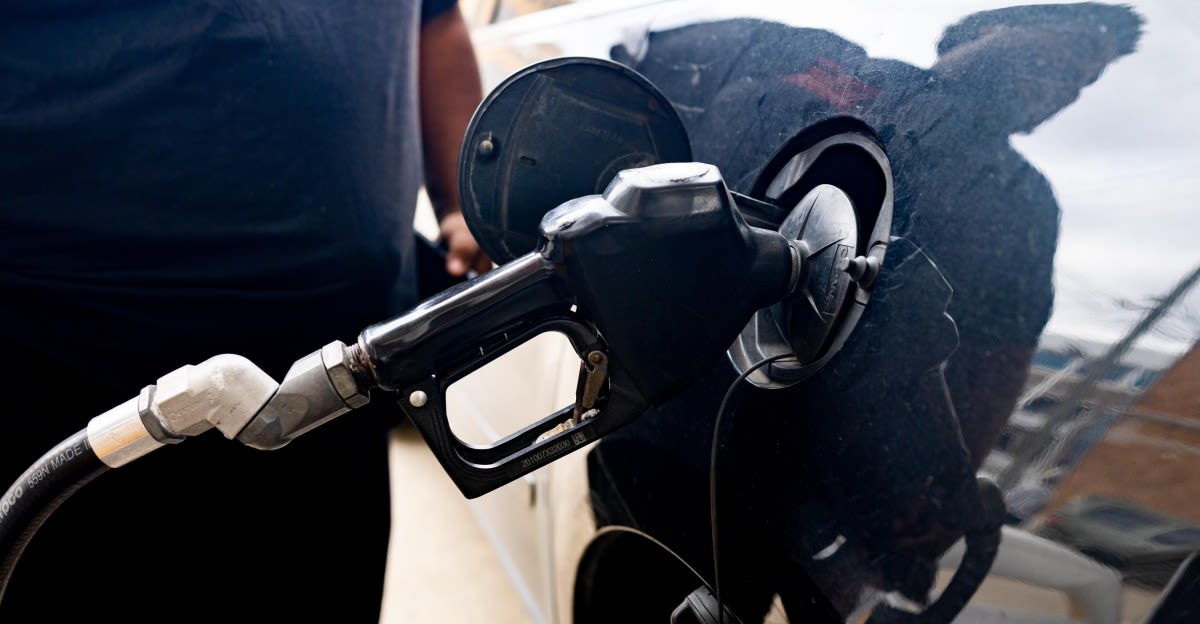
Gas prices have reached record highs for a US Election Day, with average costs hitting $4.12 for gasoline and $6.28 for diesel. This economic pressure coincides with the Strategic Petroleum Reserve dropping to a 44-year low of 282.2 million barrels.
The Economic Climate of the Midterms
As voters head to the polls for the current midterm elections, the intersection of energy policy and voter sentiment has reached a critical juncture. Record-breaking fuel costs are serving as a primary driver for domestic political discourse, with national averages currently sitting at $4.12 for a gallon of gasoline and $6.28 for a gallon of diesel according to GasBuddy data. These figures represent the highest prices ever recorded for a US Election Day, transforming the gas pump into a central symbol of the current economic struggle.
The Depletion of the Strategic Petroleum Reserve
Beyond the immediate pain at the pump, the structural integrity of the nation's energy security is under scrutiny. The Strategic Petroleum Reserve (SPR), managed by the US Department of Energy to act as a vital buffer during global supply chain disruptions or national emergencies, has reached a historic low. With levels currently at 282.2 million barrels of crude, the reserve is at its lowest point in 44 years. This depletion reflects the ongoing tension between managing current market volatility and maintaining long-term national security buffers.
Political Implications and Voter Priorities
Energy policy has become a defining wedge issue in this election cycle. The data suggests that for many Americans, the cost of living—specifically fuel—is the most tangible indicator of government performance. As political parties trade blame over the origins of these price spikes, the electorate is forced to weigh the efficacy of past energy policies against the promise of future transitions. The contrast between traditional fossil fuel reliance and the push for electric vehicle (EV) infrastructure has become a key point of ideological contention.
The Shift Toward Electric Mobility
As the transportation sector continues to undergo a massive shift, the debate surrounding EVs has intensified. Proponents argue that the volatility of global oil markets, evidenced by these record-high prices, highlights the urgent need to decouple the American economy from the gas pump. By transitioning toward electrified transit, policy experts suggest that the US could mitigate the impact of global supply shocks, though this transition faces significant political resistance and infrastructure hurdles.
Future Trends and Energy Security
Looking ahead, the depletion of the SPR poses a complex challenge for the incoming administration or legislative body. Rebuilding these reserves will require careful market balancing to avoid further driving up domestic fuel costs. Furthermore, the reliance on high-cost diesel suggests that the logistics and freight sectors will continue to face inflationary pressures, potentially keeping the cost of essential goods elevated for the foreseeable future.
Conclusion
Ultimately, the current election serves as a referendum on energy policy. Whether voters prioritize immediate relief from record gas prices or long-term strategic shifts toward renewable energy will dictate the legislative agenda in the coming years. As the nation faces a 44-year low in its emergency oil supplies, the urgency to define a sustainable and secure energy path has never been more apparent.