Trump jokes he could move to Israel and become their prime minister if Americans get ‘tired of him’
Source Entity
Latest News: Todays Latest News Headlines from India & World | Hindustan Times
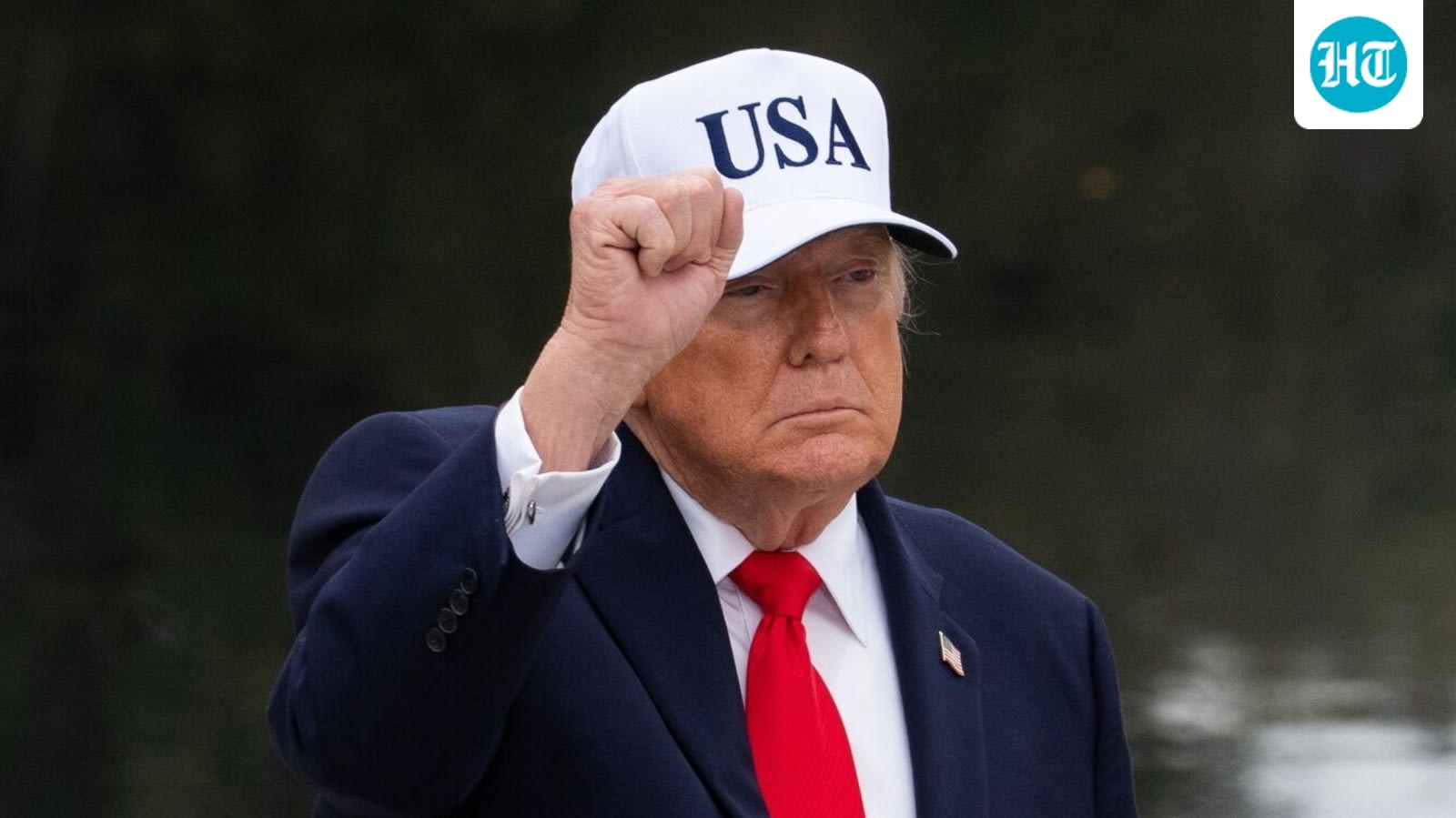
President Donald Trump has announced an agreement with Israeli Prime Minister Benjamin Netanyahu to phase out $4 billion in annual US military aid by the end of 2026. The administration argues that Israel's economic strength renders the financial assistance unnecessary, though the US will continue to facilitate military hardware sales.
The End of an Era: US Military Aid to Israel
President Donald Trump has announced a significant shift in American foreign policy, confirming that the United States will cease its $4 billion annual military aid package to Israel by the end of 2026. This decision, reached after extensive discussions with Israeli Prime Minister Benjamin Netanyahu, marks a departure from decades of established financial support. The administration maintains that Israel’s current economic standing eliminates the necessity for direct budgetary assistance from Washington, effectively transitioning the relationship from one of aid to one of commercial military partnership.
Strategic Rationale and Economic Justification
The core of the administration’s argument rests on the assertion that Israel has outgrown its reliance on American financial lifelines. By designating the aid as unnecessary, the President is signaling a pivot toward a more transactional foreign policy model. While the direct annual grant is slated to conclude, the United States has clarified that it will continue to support Israel’s security requirements through the ongoing sale of military hardware. This shift suggests a move toward a buyer-seller framework rather than a donor-recipient dynamic, potentially reducing the fiscal burden on the American taxpayer.
Political Dimensions and Domestic Implications
Beyond the geopolitical implications, the decision is deeply rooted in domestic political discourse. President Trump has noted that US funding for Israel has frequently become a contentious talking point during election cycles, with various Democratic candidates leveraging the issue to criticize Republican policy positions. By terminating the aid, the administration may be attempting to neutralize a recurring point of political friction, aiming to remove the financial transfer from the national debate and refocus the conversation on the strategic necessity of military equipment sales.
Historical Context of the US-Israel Relationship
The move to end this $4 billion annual commitment represents a historic recalibration of the US-Israel alliance. For years, these funds have been central to Israel's defense strategy and its ability to maintain a qualitative military edge in the region. The transition, which the administration claims has been under discussion for several years, reflects a broader trend of the United States reevaluating its foreign commitments. This policy change will undoubtedly require both nations to adjust their long-term defense planning and bilateral cooperation protocols.
Future Trends and Regional Security
Looking ahead, the cessation of direct aid will shift the focus toward the sustainability of Israel’s domestic defense industry and its capacity to procure advanced technology through commercial channels. As the US transitions to a hardware-sales model, the nature of the defense relationship will likely become more integrated with global market dynamics. While the administration frames this as a necessary economic evolution, regional stakeholders will be closely monitoring how this change impacts the stability and security architecture of the Middle East in the post-2026 landscape.
Multiple Citing Sources
Verification Required?