What Voters Care About As US Midterms Go Underway
Source Entity
NDTV News Search Records Found 1000
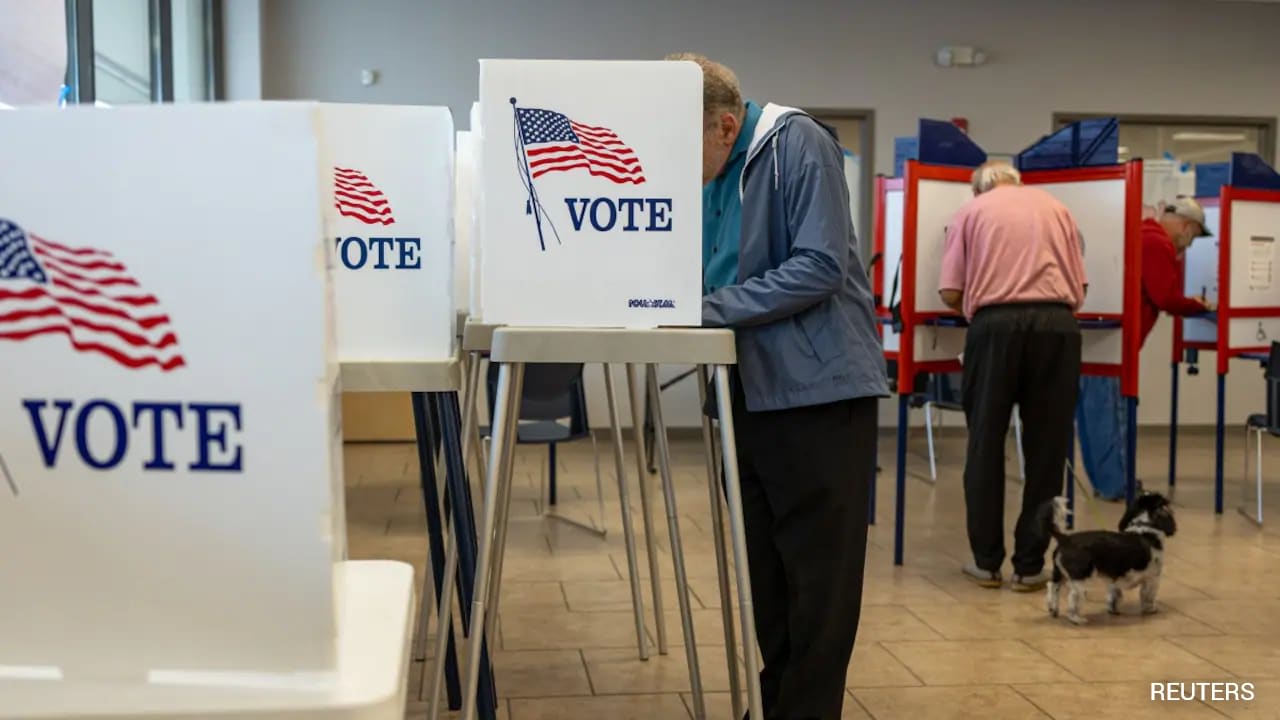
The 2026 US midterm elections will determine control of Congress for the final two years of President Trump's term. Voters are weighing the GOP's MAGA agenda against concerns over the cost of living and geopolitical tensions.
The 2026 Midterm Landscape: A Litmus Test for the Trump Presidency
As the United States approaches the 2026 midterm elections on Tuesday, November 3, the political atmosphere is charged with high stakes. These elections represent the first nationwide referendum on the administration of President Donald Trump. With the balance of power in Washington hanging in the balance, voters are tasked with deciding whether to grant the Republican Party continued control of Congress or shift the legislative majority to the Democrats, potentially creating a check on presidential power.
Shifting Battlegrounds and Electoral Divergence
The electoral map for 2026 presents a unique paradox compared to the 2024 presidential election. In states like Maine, voters previously supported the Democratic Party for the presidency, yet they are now engaged in a fierce contest to re-elect a Republican senator. Conversely, Michigan, which sided with Donald Trump in the 2024 cycle, is now hosting hyper-competitive races for its Senate seat, governorship, and several House districts. This divergence highlights how local concerns and specific candidate platforms can override national presidential trends in midterm cycles.
The Scope of the Mandate
The sheer scale of the 2026 midterms is immense, as Americans will cast ballots for all 435 seats in the House of Representatives, 35 Senate seats—including two special elections—and 36 gubernatorial positions. This massive turnover of elected officials ensures that the ideological composition of state and federal governments will be fundamentally altered. The results will dictate the legislative trajectory for the final two years of President Trump’s term, effectively serving as a barometer for public sentiment regarding the current executive agenda.
Economic Pressures and Geopolitical Concerns
Central to the voter decision-making process are tangible frustrations regarding the cost of living and the broader international landscape. The ongoing US-Israel conflict involving Iran has emerged as a significant factor in the political discourse. Voters are weighing the Republican Party's 'Make America Great Again' (MAGA) narrative against the Democratic platform, evaluating which party is better equipped to handle these complex domestic and foreign policy hurdles. The intersection of economic anxiety and global instability creates a volatile environment for incumbents.
Implications for 2028 and Beyond
Beyond the immediate control of Congress, these midterms act as a precursor to the 2028 presidential race. The outcomes will force both the Republican and Democratic parties to re-evaluate their messaging and policy priorities based on which narratives successfully resonated with the electorate. By analyzing which candidates emerge victorious, political strategists will attempt to discern the future direction of American populism and the viability of current party platforms in a polarized nation.
Global Tracking and Conclusion
The international interest in these results is significant, with observers in countries like India tracking the developments closely as polling stations open and close across the United States. With the first results expected to filter in starting early Wednesday morning, the world waits to see if the US will move toward a unified government or a split legislature. Ultimately, the 2026 midterms stand as a defining moment in the current political era, shaping the legislative reality for the remainder of the Trump presidency.
Multiple Citing Sources
Verification Required?