US midterms: Prediction markets favor Democrats in key crypto races
Source Entity
Cointelegraph by Isabelle Castro
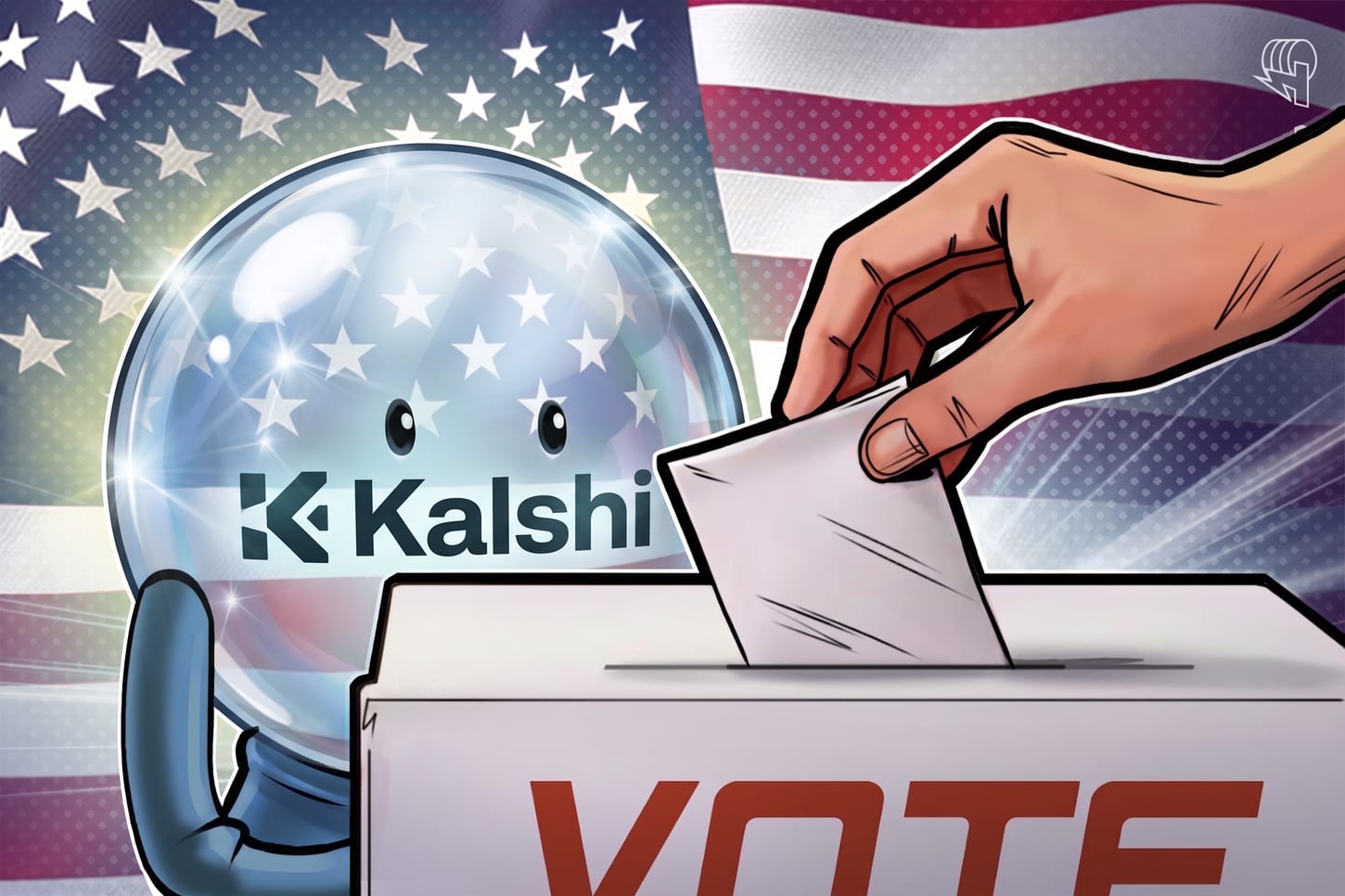
As US midterm elections unfold, prediction markets are heavily favoring a Democratic sweep despite recent forecasting inaccuracies. Meanwhile, industry experts suggest that federal agencies, rather than legislative bodies, will likely remain the primary drivers of future crypto regulation.
The Intersection of Prediction Markets and Political Volatility
As American voters participate in the 2026 midterm elections, a record-breaking $1.9 billion in election-related contracts has flowed through platforms like Kalshi and Polymarket. These prediction markets have become a focal point for gauging political sentiment, currently pricing a Democratic sweep of Congress at approximately 75%. Such high-stakes wagering reflects a growing trend where financial speculation and political forecasting intersect, turning electoral outcomes into tradable assets.
The Reliability Gap in Forecasting
Despite the massive volume of capital involved, the credibility of these platforms remains under scrutiny. The current confidence in a Democratic victory comes just nine days after prediction markets significantly misjudged the outcome of the Brazilian runoff election. This discrepancy highlights the inherent volatility and potential for bias in decentralized forecasting models, suggesting that while these markets provide a snapshot of trader sentiment, they are not infallible barometers of complex, real-world democratic processes.
Crypto-Backed Candidates and Legislative Stagnation
The 2026 midterm cycle has been uniquely characterized by the heavy involvement of crypto-backed candidates and a sharp focus on digital asset regulation. The election outcomes are expected to influence the trajectory of stalled legislative efforts, such as the CLARITY Act. However, the industry is bracing for a reality where congressional gridlock may prevent meaningful reform, leaving the legislative branch unable to provide the long-term, irreversible framework that market participants crave.
The Dominance of Federal Regulatory Agencies
According to Maylea Ma, deputy general counsel at 1inch, the true engine of crypto policy will likely remain within the executive branch regardless of the election’s outcome. Agencies such as the Securities and Exchange Commission (SEC), the Commodity Futures Trading Commission (CFTC), and the Treasury are expected to maintain their roles as the primary architects of digital asset oversight. This 'regulation by enforcement' model creates a landscape of uncertainty for crypto entities, as agency-led guidance lacks the permanence and clarity of a formal statute.
Long-term Implications for Digital Assets
The fundamental conflict lies between the industry's desire for legislative stability and the current reality of agency-led engagement. While federal agencies are increasingly interacting with crypto projects, this engagement is not viewed as a substitute for comprehensive lawmaking. The inability to secure a statute that can withstand changes in government administration leaves the sector vulnerable to shifting political winds, forcing companies to adapt to a regulatory environment that remains in constant flux.
Conclusion: A Wait-and-See Approach
Ultimately, while the midterms present a critical juncture for the political composition of Congress, the broader regulatory framework for cryptocurrency appears destined for a continuation of the status quo. As election results are finalized, the industry will likely shift its focus away from Capitol Hill and back toward the evolving policies of federal regulators, who continue to hold the most significant influence over the future of the digital asset economy.
Multiple Citing Sources