US Elections 2026: Four Indian-origin candidates chase key milestones
Source Entity
NATASHA SINGH
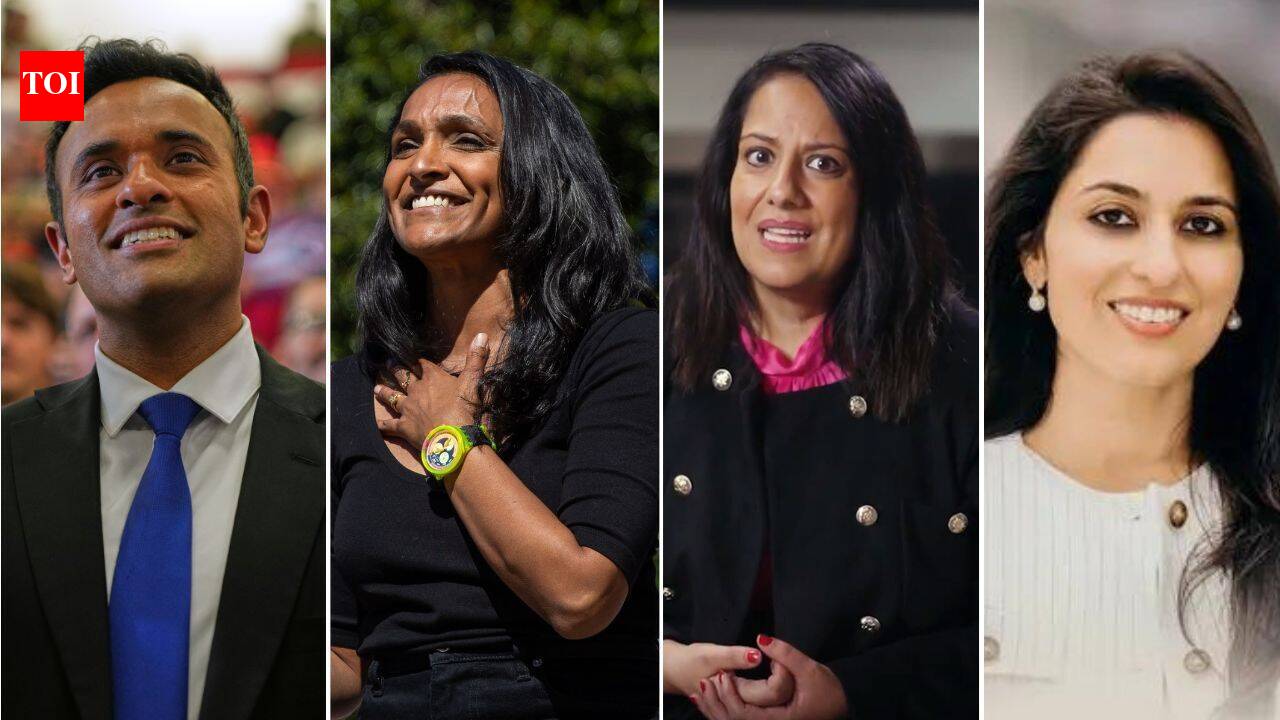
Indian-American candidates are making significant strides in the US midterm elections. Prominent figures like Vivek Ramaswamy, Ro Khanna, Pramila Jayapal, and Ami Bera are at the center of this political shift.
The Rising Influence of Indian-American Candidates in US Politics
The landscape of American politics is undergoing a notable transformation as Indian-American candidates increasingly secure prominent positions and command national attention. Recent reports indicate that the midterm elections have served as a critical barometer for this demographic, with several high-profile figures either securing key victories or awaiting final results in tightly contested races.
Breaking Barriers: The Gubernatorial Ambition
One of the most compelling narratives emerging from this cycle is the potential for historic milestones. Vivek Ramaswamy has captured significant attention with his bid for the governorship of Ohio. Should he succeed, he would etch his name in history as the first Indian-American governor of the state. This candidacy represents a broader trend of Indian-origin politicians moving beyond traditional legislative roles and into executive offices that wield significant administrative power.
Established Leadership and Legislative Impact
Beyond the gubernatorial race, the political footprint of the Indian-American community is firmly established through the work of seasoned legislators. Figures such as Ro Khanna, Pramila Jayapal, and Ami Bera remain at the forefront of this movement. Their involvement in the midterms underscores a shift toward sustained political engagement, where Indian-origin candidates are not merely participating but are central to the legislative agendas of their respective parties.
The Midterm Verdict
As the election results continue to materialize, the performance of these candidates provides insight into the changing demographics of the American electorate. While some candidates have already scripted key wins, others, such as Ro Khanna and Ami Bera, are still awaiting the final tally. This period of anticipation highlights the competitive nature of modern American elections and the necessity for candidates to build deep, constituent-based coalitions.
Broader Implications and Future Trends
The increasing visibility of these candidates suggests that the Indian-American community is becoming a more cohesive and influential voting bloc. Historically, the representation of this group was limited, but the current trajectory points toward a future where diverse leadership is the norm rather than the exception. As these candidates navigate the complexities of national politics, their success will likely encourage further participation from younger generations of Indian-Americans.
Conclusion
In summary, the 2026 US midterm cycle marks a pivotal moment for Indian-origin candidates. Whether through the pursuit of executive roles or the retention of legislative seats, these individuals are shaping the future of American governance. As the final results are tallied, the impact of their campaigns will undoubtedly influence the strategic planning of both major political parties in the years to come.