‘Guidelines on paper offer little protection’: HC orders anti-bullying safeguards in Haryana schools
Source Entity
Abhimanyu Hazarika
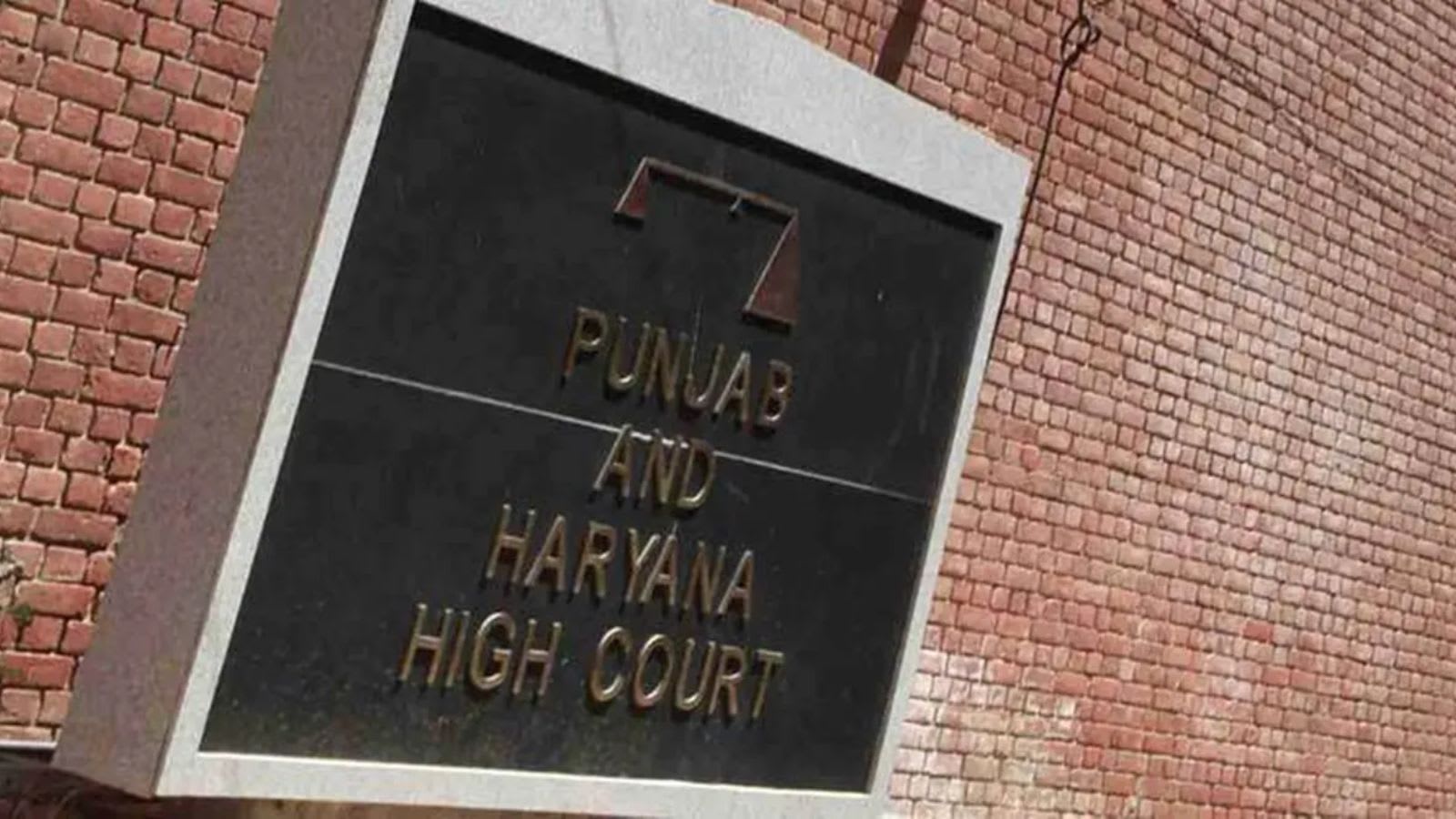
The Punjab and Haryana High Court has mandated that schools implement strict anti-bullying safeguards, specifically addressing harassment based on gender identity and sexual orientation. This follows a tragic suicide case in Faridabad, prompting legal action to ensure schools move beyond mere paper-based policies.
Strengthening Student Safety: High Court Mandates Anti-Bullying Reforms
A Judicial Call for Accountability
The Punjab and Haryana High Court has issued a landmark directive to the Department of School Education in Haryana and the Central Board of Secondary Education (CBSE). The court has explicitly ordered that all schools within its jurisdiction must enforce rigorous anti-bullying and mental health safeguards. This judicial intervention is a response to the systemic failure of institutions to protect vulnerable students from harassment, particularly that which is rooted in gender identity and sexual orientation.
The Tragic Catalyst
This directive was prompted by a harrowing petition filed by Aarti Malhotra. Her 16-year-old son, a student at a prominent Faridabad school, died by suicide on February 24, 2022. The petition alleged that the student endured years of relentless bullying, abuse, and sexual assault. The court noted that the boy’s artistic inclinations were frequently misconstrued by his peers as 'effeminate,' leading to targeted harassment. The court’s intervention underscores the gravity of the school’s alleged failure to address these complaints effectively.
Moving Beyond Paper Guidelines
Justice Manisha Batra’s observations during the proceedings were particularly poignant, noting that 'guidelines which remain on paper offer little protection to a child in distress.' By invoking the standards established in Sukdeb Saha’s case, the court is demanding that schools move beyond superficial compliance. Every educational institution is now required to establish internal committees that specifically address harassment based on gender identity, ensuring that grievances are not merely filed but actively resolved.
Broader Implications for Student Welfare
The ruling signifies a pivotal shift in how Indian educational institutions must view their duty of care. It is no longer sufficient for schools to focus solely on academic output; they are now legally obligated to foster an inclusive environment that recognizes the unique vulnerabilities of LGBTQ+ students and those who do not conform to traditional gender expectations. This mandate serves as a precedent for other states to adopt similar oversight mechanisms to prevent further tragedies.
Digital Privacy and Juvenile Justice
In a parallel development concerning child safety in the region, the Juvenile Justice Board (JJB) in Panchkula recently granted bail to an eight-year-old involved in a school assault case. Crucially, the board ordered the removal of viral videos and photos of the incident to protect the victim's identity under the Juvenile Justice Act, 2015. Together, these legal actions highlight a growing judicial focus on protecting the dignity and safety of children, whether from physical violence or the psychological trauma of digital exposure.
Conclusion
The Punjab and Haryana High Court’s directive is a necessary evolution in the protection of students within the Indian school system. By mandating that schools proactively address harassment based on sexual orientation and gender identity, the judiciary is attempting to dismantle the culture of silence that often surrounds school-based abuse. For these reforms to succeed, schools must now shift from passive policy-making to a culture of active vigilance and empathy.