
The Great Bioenergetic Miscalculation
For decades, the longevity conversation obsessed over telomeres—those protective caps on the ends of chromosomes. We treated aging as a countdown of cellular divisions, a linear depletion of biological capital. But this focus was a distraction. While telomeres tell us how many times a cell can divide, the mitochondria tell us if that cell has the energy to actually function. The real clock isn't a countdown of divisions; it is a decay of energy production. When the mitochondrial clock slows, the entire systemic architecture of the human body begins to crumble, not because the blueprints are gone, but because the power grid has failed.
Why does this shift matter? Because treating aging as a series of isolated diseases—diabetes here, Alzheimer's there, heart failure elsewhere—is a losing game of whack-a-mole. These are not separate failures; they are diverse expressions of a single systemic collapse: mitochondrial dysfunction. When the organelles responsible for generating adenosine triphosphate (ATP) falter, every high-energy organ suffers first. The brain, the heart, and the kidneys are the first to dim when the cellular voltage drops. We are finally realizing that the quest for a longer life is actually a quest for metabolic resilience.
"The transition from geriatrics to bioenergetics is the most significant paradigm shift in medicine since the discovery of antibiotics. We are no longer managing decline; we are optimizing the cellular engine."— Dr. Elena Vance, Systems Biologist
Consider the global disparity in metabolic health. In the hyper-urbanized corridors of Tokyo and Seoul, we see a unique intersection of high-stress environments and optimized dietary patterns that challenge our understanding of mitochondrial decay. Conversely, in the Mediterranean regions, the synergy of polyphenols and consistent movement creates a bioenergetic buffer that delays the mitochondrial clock. This isn't just about 'healthy living'; it is about the specific biochemical inputs that maintain the mitochondrial membrane potential. The environment acts as a tuner for our cellular energy, either accelerating the burn or sustaining the flame.
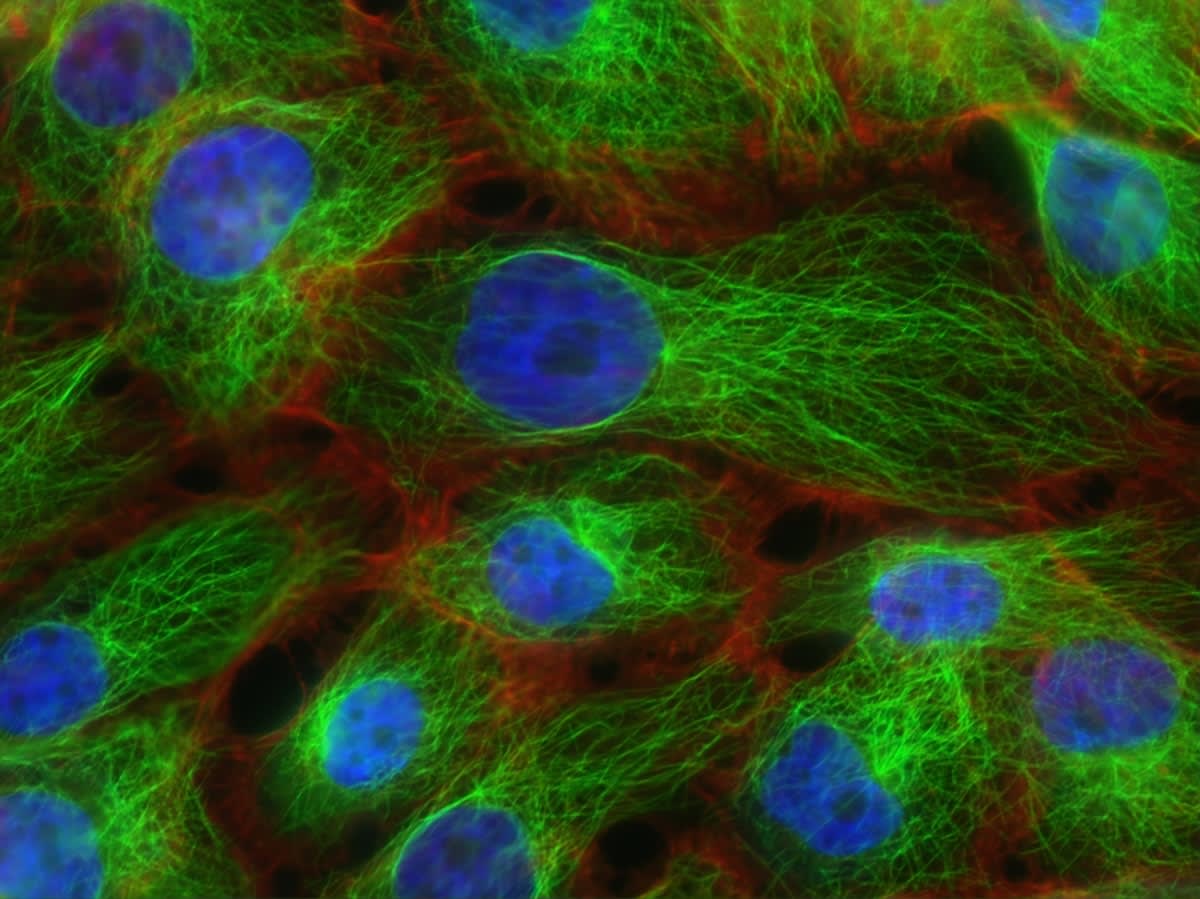
This systemic shift forces us to ask a provocative question: Is aging an inevitable program, or is it simply a failure of cellular maintenance? If we can maintain the efficiency of the electron transport chain, can we effectively pause the biological clock? The evidence suggests that the 'inevitability' of aging is largely a result of our inability to clear mitochondrial debris—a process known as mitophagy. When the cell fails to recycle its broken power plants, the resulting oxidative stress poisons the healthy organelles. We aren't running out of time; we are drowning in our own cellular waste.
The industry is now pivoting toward interventions that stimulate this recycling process. We are seeing a surge in interest regarding NAD+ precursors and caloric restriction mimetics, not as 'anti-aging' supplements, but as bioenergetic tools. By increasing the availability of nicotinamide adenine dinucleotide, we provide the fuel necessary for sirtuins to repair DNA and optimize mitochondrial biogenesis. This is a strategic move away from the pharmacy of symptoms toward a laboratory of energy.
The Currency of Life: ATP and the Longevity Equation
To understand the mitochondrial clock, one must understand the volatility of ATP production. In a young, resilient system, mitochondria are dynamic, fusing and dividing to optimize energy output based on demand. In an aged system, this dynamism vanishes. Mitochondria become fragmented and leaky, spilling reactive oxygen species (ROS) into the cytoplasm. This leak is the primary driver of systemic inflammation, often termed 'inflammaging.' It is a chemical wildfire that degrades tissues and confuses the immune system, leading to the chronic conditions we associate with old age.
| Metric | Optimal Mitochondrial State | Dysfunctional (Aged) State | Systemic Impact |
|---|---|---|---|
| ATP Production Efficiency | High (>90% capacity) | Low (<60% capacity) | Cognitive decline, muscle atrophy |
| ROS Leakage | Minimal/Controlled | High/Unregulated | Chronic systemic inflammation |
| Mitophagy Rate | Rapid recycling of damaged organelles | Stagnant/Accumulated debris | Cellular senescence |
| NAD+ Levels | Saturated | Depleted (up to 50% drop) | Failure of DNA repair mechanisms |
The data indicates a brutal correlation: mitochondrial dysfunction is present in approximately 70% of all age-related pathologies. This isn't a coincidence; it is the root cause. When we look at the 'longevity economy,' we see a market projected to reach $600 billion by 2025, driven largely by this realization. The investment is shifting from cosmetic longevity—skin creams and supplements—to deep-tech bioenergetics. We are seeing the rise of mitochondrial transplantation and targeted peptide therapies designed to stabilize the mitochondrial membrane.
The New Metric
Mito-Efficiency is the new IQ. The ability of a biological system to maintain high energy output while minimizing oxidative waste is the single most accurate predictor of healthspan, regardless of chronological age.
Contrast the Nordic approach to mitochondrial health with the prevailing Silicon Valley ethos. In Scandinavia, the emphasis is often on hormesis—using acute stressors like cold exposure and sauna to trigger mitochondrial biogenesis. They are essentially 'stress-testing' the cellular engine to force it to upgrade. In contrast, the tech-centric approach often relies on pharmacological shortcuts, attempting to bypass the stress and go straight to the result. The systemic lesson here is clear: the mitochondrial clock is not reset by addition, but by the strategic application of stress and recovery.
This tension between hormesis and pharmacology defines the current frontier of medicine. Do we want a body that is pampered into fragility, or one that is forged through metabolic challenge? The most resilient populations globally are those who maintain a high metabolic flexibility—the ability to switch between glucose and fat oxidation seamlessly. This flexibility is the hallmark of a healthy mitochondrial network. When we lose this ability, we enter a state of metabolic rigidity, which is the precursor to nearly every metabolic syndrome known to science.
The implications for the human lifespan are staggering. If we can decouple chronological age from mitochondrial age, we essentially redefine what it means to be 'old.' We move from a model of inevitable decay to a model of manageable maintenance. This isn't about immortality; it is about expanding the 'healthspan'—the period of life spent in full functional capacity. A person could be 90 years old chronologically but possess the mitochondrial efficiency of a 40-year-old. In such a world, the retirement age, the structure of healthcare, and the very nature of human productivity would be upended.
Redefining the Lifespan: From Survival to Optimization
We are witnessing the collapse of the 'wear and tear' theory of aging. The body does not simply wear out like a machine; it loses the ability to regenerate its energy source. The quest for cellular energy is therefore not just a medical pursuit, but a philosophical one. It shifts the human narrative from one of surrender to one of agency. By focusing on the mitochondrial clock, we stop asking how much time we have left and start asking how much energy we can generate.
The future of longevity lies in the precision modulation of the mitochondria. This involves a combination of targeted nutrient timing, hormetic stress, and potentially, the genetic editing of mitochondrial DNA to prevent the accumulation of mutations. As we refine these tools, the divide between those who understand bioenergetics and those who don't will become the new socioeconomic gap. Energy, in its most literal biological sense, will become the ultimate luxury good.
Ultimately, resilience is the only metric that matters. The ability of the cell to withstand oxidative stress, recycle its own waste, and maintain a steady stream of ATP is what separates a fragile existence from a robust one. The mitochondrial clock is ticking for everyone, but for the first time in history, we have the tools to change the speed of the gears. The quest for cellular energy is not just redefining the lifespan; it is redefining the human experience.