Bihar Leaders Protest In Delhi, But Congress Has To Sort Out 4 Other States First
Source Entity
NDTV News Search Records Found 1000
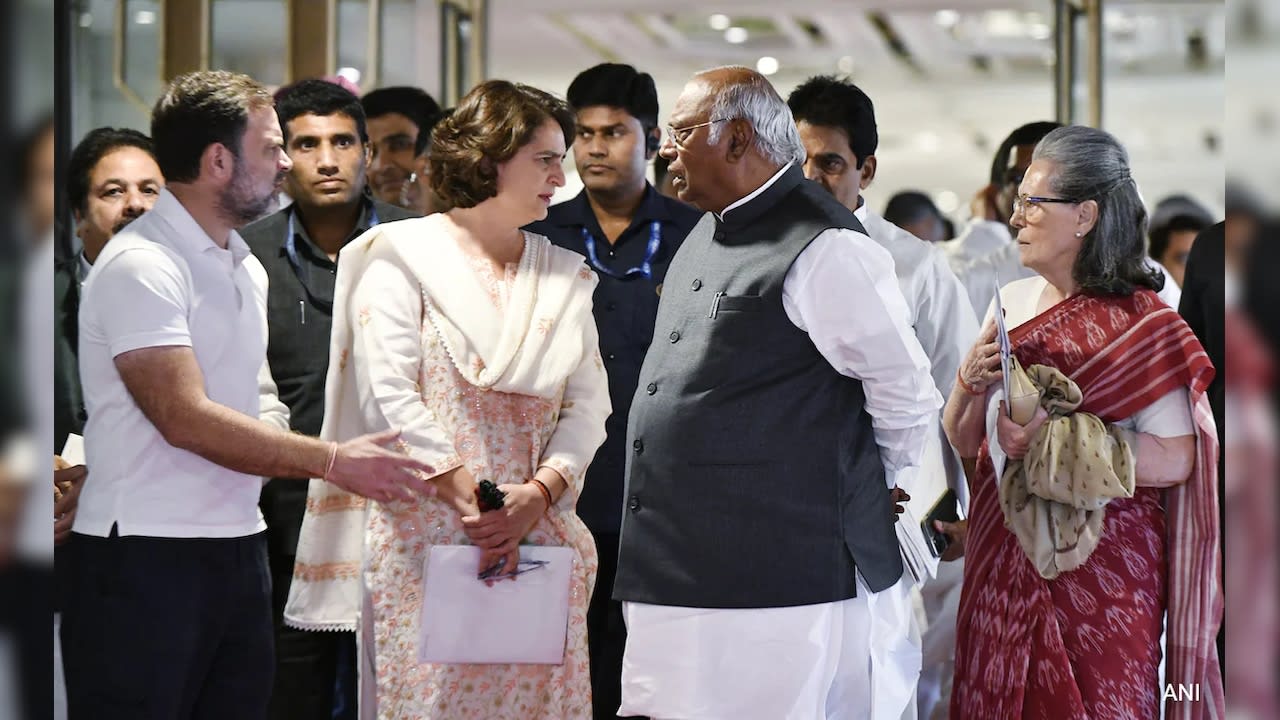
Expelled Bihar Congress leaders protested at the party headquarters in Delhi, demanding a leadership overhaul following the 2025 assembly election defeat. The party, however, is currently prioritizing internal crises in four other states, including Punjab, complicating the protesters' demands.
Internal Turmoil: Bihar Congress Leadership Crisis
The internal stability of the Indian National Congress has been thrust into the spotlight following a significant protest by expelled Bihar Congress leaders outside the party's national headquarters, Indira Bhavan, in New Delhi. Led by Anand Madhav, a former spokesperson for the state unit, the demonstrators staged a five-hour dharna to articulate their deep-seated grievances regarding the current state of party affairs. The protest serves as a public manifestation of the simmering discontent that has plagued the Bihar unit since the party's unfavorable performance in the 2025 assembly elections.
Allegations of Mismanagement and Corporate Governance
Central to the protestors' argument is the claim that the Bihar Congress is currently being mismanaged. Anand Madhav notably characterized the functioning of the state unit as resembling a "corporate" entity operating under an "NGO format." This critique suggests a perception among local workers that the party hierarchy has become disconnected from the grassroots cadre, prioritizing administrative processes over political mobilization and authentic representation. By demanding the removal of state unit chief Rajesh Kumar and party in-charge Krishna Allavaru, the group is signaling a desire for a complete structural overhaul to revitalize the organization.
The Quest for Accountability
Beyond the immediate calls for resignations, the protesters are seeking a direct audience with the Leader of the Opposition in the Lok Sabha, Rahul Gandhi. By attempting to escalate their concerns to the highest echelons of the party, these leaders are hoping to bypass the state-level leadership they believe has failed the rank and file. The request for a meeting with Gandhi underscores their belief that the current crisis is not merely a local administrative failure, but a systemic issue that requires intervention from the central command to prevent further electoral decline.
National Challenges and Prioritization
While the situation in Bihar is undoubtedly volatile, the party high command is currently juggling multiple crises across India. Reports indicate that the Congress is currently preoccupied with stabilizing four other states, most notably Punjab, which is grappling with severe factionalism. This multi-front struggle for cohesion creates a challenging environment for the Bihar dissidents, as the central leadership must triage its limited political capital to address the most urgent threats to the party's national structure.
Future Implications and Party Stability
Looking forward, the ability of the Congress to reconcile with its expelled members in Bihar will serve as a bellwether for its broader organizational reform efforts. If the party continues to prioritize other volatile regions over the demands of the Bihar unit, it risks further alienation of its local base. Conversely, a failure to address the perceived "corporate" culture of the state unit could lead to a permanent fracturing of the party’s support structure in the region. The resolution of this protest will likely depend on whether the central leadership can balance the urgent needs of states like Punjab with the legitimate, albeit disruptive, concerns of the Bihar cadre.
Verification Required?