Uttar Pradesh Congress president Ajay Rai, others detained as row over Saharanpur mosque demolition escalates
Source Entity
India Latest News: Top National Headlines Today & Breaking News | The Hindu
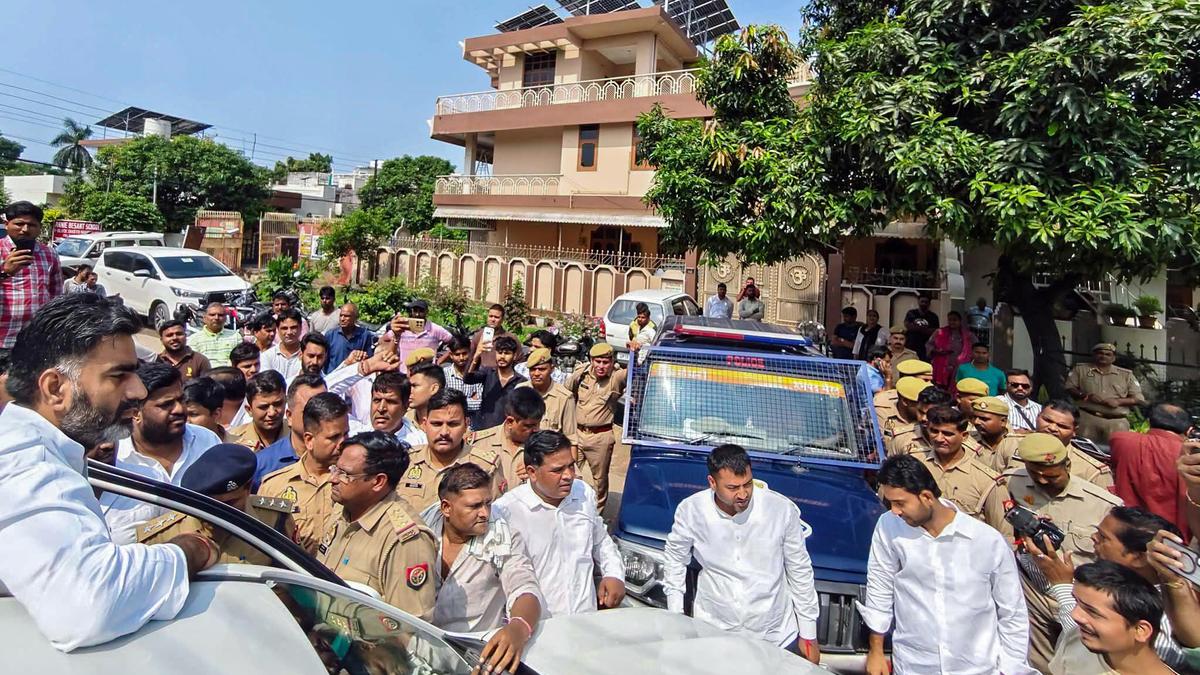
Uttar Pradesh Congress president Ajay Rai and other party leaders were detained by police in Lucknow while attempting to visit the site of a demolished historic mosque in Saharanpur. The Congress party has condemned the detention as a politically motivated effort by the BJP government to stifle opposition.
Tensions Escalate in Uttar Pradesh Over Mosque Demolition
On September 7, 2026, the political climate in Uttar Pradesh experienced a significant surge in tension following the detention of senior Congress leaders, including State President Ajay Rai. The incident occurred in Lucknow as party officials attempted to travel to Saharanpur to address the recent demolition of a historic mosque situated within the local Collectorate complex. This event highlights the growing friction between the ruling Bharatiya Janata Party (BJP) and the opposition regarding the administration of state property and religious sites.
The Controversy of the Saharanpur Demolition
The core of the conflict lies in the administrative decision to clear the historic mosque from the Saharanpur Collectorate premises. For the opposition, the act represents a disregard for cultural and religious heritage, as well as an overreach of state authority. The Congress party has framed the demolition as a "brutal action," setting the stage for a broader confrontation over how the state government manages sensitive sites and the subsequent public discourse surrounding such decisions.
Allegations of Political Suppression
Following their detention, the Congress leadership issued a sharp rebuke, characterizing the police intervention as an act of "dictatorship." The party alleges that the state administration is operating under the direct influence of the BJP government, aimed specifically at silencing political dissent. By preventing opposition leaders from visiting the affected site, the Congress claims the government is attempting to control the narrative and prevent an independent assessment of the demolition's circumstances.
Implications for State Governance
This incident is not an isolated case but rather a reflection of the increasingly polarized political landscape in Uttar Pradesh. When state machinery is used to prevent opposition leaders from conducting site visits, it raises fundamental questions regarding democratic accountability and the freedom of movement for political actors. The use of detention as a tool to manage political unrest suggests a hardening of stances on both sides, which may lead to further legislative and public agitation in the coming months.
Future Trends and Political Fallout
Moving forward, it is likely that the Saharanpur mosque issue will remain a central point of contention in Uttar Pradesh politics. As the Congress party continues to frame the incident as a litmus test for democratic rights in the state, the BJP government faces the challenge of justifying its administrative actions against a backdrop of accusations of bias. The cycle of protest and detention observed here indicates that public order and political expression in the state will continue to be heavily influenced by these ongoing ideological and administrative disputes.
Verification Required?