This institution will not be browbeaten by any kind of tactic: Chief Justice Ashwani Kumar Mishra in Punjab DA case
Source Entity
The Indian Express
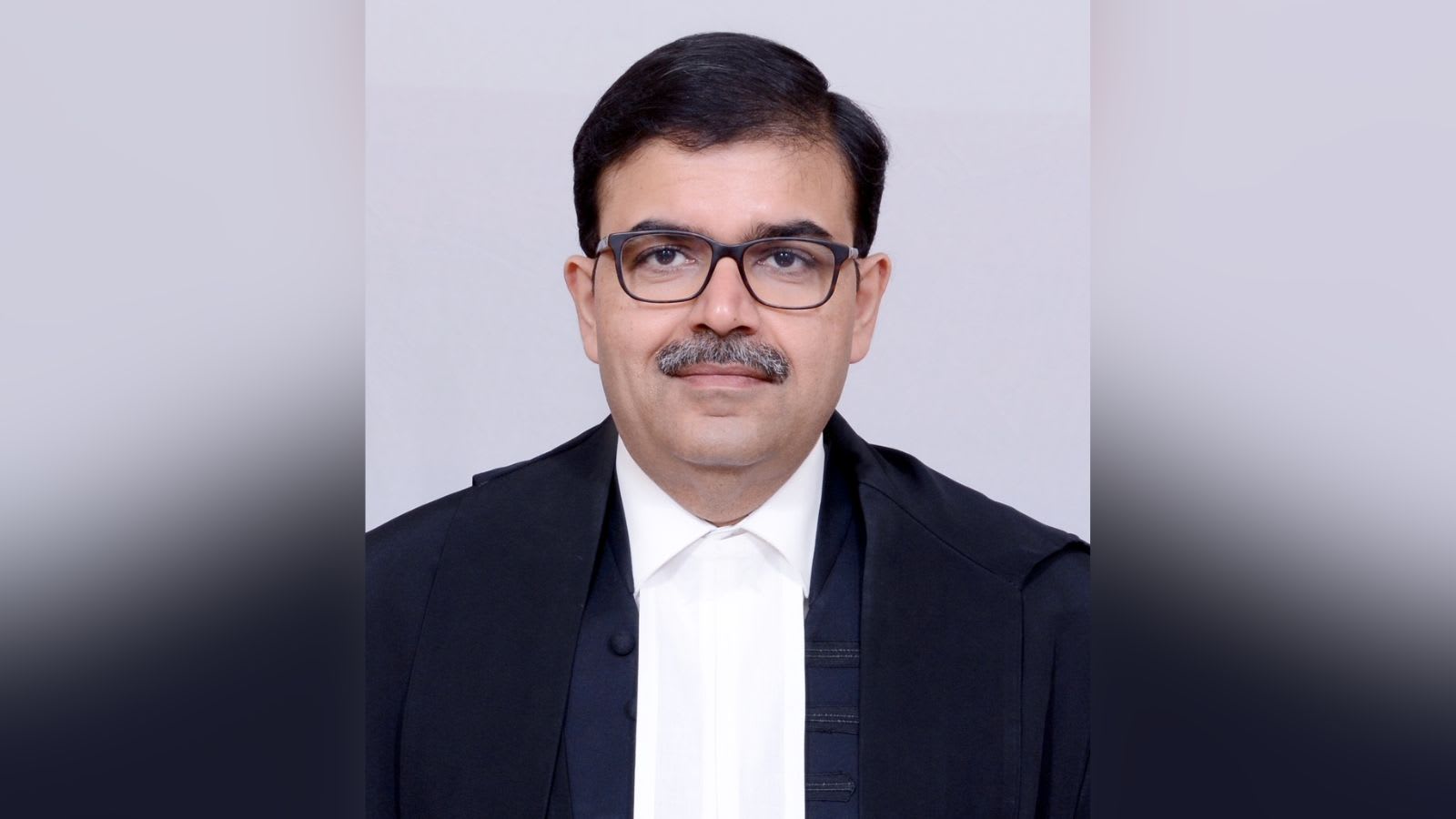
Punjab Chief Minister Bhagwant Mann boycotted the swearing-in ceremony of Justice Ashwani Kumar Mishra as Chief Justice of the Punjab and Haryana High Court. The state government formally opposed the appointment, citing a failure by the Centre to consult the state as per constitutional norms.
Constitutional Friction: The Punjab-Centre Standoff
The recent swearing-in of Justice Ashwani Kumar Mishra as the Chief Justice of the Punjab and Haryana High Court has sparked a significant constitutional standoff between the Punjab government and the Union Ministry of Law and Justice. The controversy peaked when the Punjab cabinet passed an emergency resolution demanding the oath ceremony be put on hold, alleging that the Centre bypassed established procedural norms by notifying the appointment without properly soliciting or considering the state government's views.
The Procedural Dispute
At the heart of the conflict is the balance of power in judicial appointments. The Punjab government contends that the Centre ignored the requirement to consult the state before formalizing the appointment. Chief Minister Bhagwant Mann escalated the matter by writing directly to President Droupadi Murmu and Prime Minister Narendra Modi, urging a pause in the process until the state’s concerns were addressed. The Punjab cabinet’s stance is that the notification, issued shortly after the Supreme Court Collegium’s recommendation, failed to respect the federal spirit of the Indian Constitution.
The Absence of the Chief Minister
This friction manifested physically at the oath-taking ceremony held at Lok Bhawan in Chandigarh. While Haryana Chief Minister Nayab Singh Saini was present to witness Governor Gulab Chand Kataria administer the oath, Punjab Chief Minister Bhagwant Mann chose to remain absent. This deliberate absence serves as a potent symbolic protest, underscoring the severity of the state's disagreement with the Centre's unilateral approach to the judiciary's leadership in the region.
Legal and Political Implications
Additional Solicitor General of India, Satya Pal Jain, has characterized the Punjab government's objections as unfounded, suggesting that the appointment process followed the standard path initiated by the Supreme Court Collegium. However, the Punjab government’s insistence that its constitutional rights were bypassed suggests a deepening rift between the state administration and the central government. This event highlights the complexities of judicial appointments in a federal structure where state governments often feel sidelined in decisions that impact their local judicial institutions.
Historical Context and Future Trends
Historically, appointments to the High Courts are governed by a delicate interplay between the Executive and the Judiciary, mediated by the Collegium system. When states feel that their consultative role is diminished, it often leads to such public confrontations. Looking forward, this incident may lead to increased scrutiny regarding the 'consultation' clause in judicial appointments. If states continue to feel their input is ignored, it may prompt further litigation or legislative debate regarding the reform of the appointment process, potentially straining the relationship between state governments and the central executive in the long term.
Multiple Citing Sources