Om Birla: Women’s quota to open new avenues for leadership
Source Entity
The Indian Express
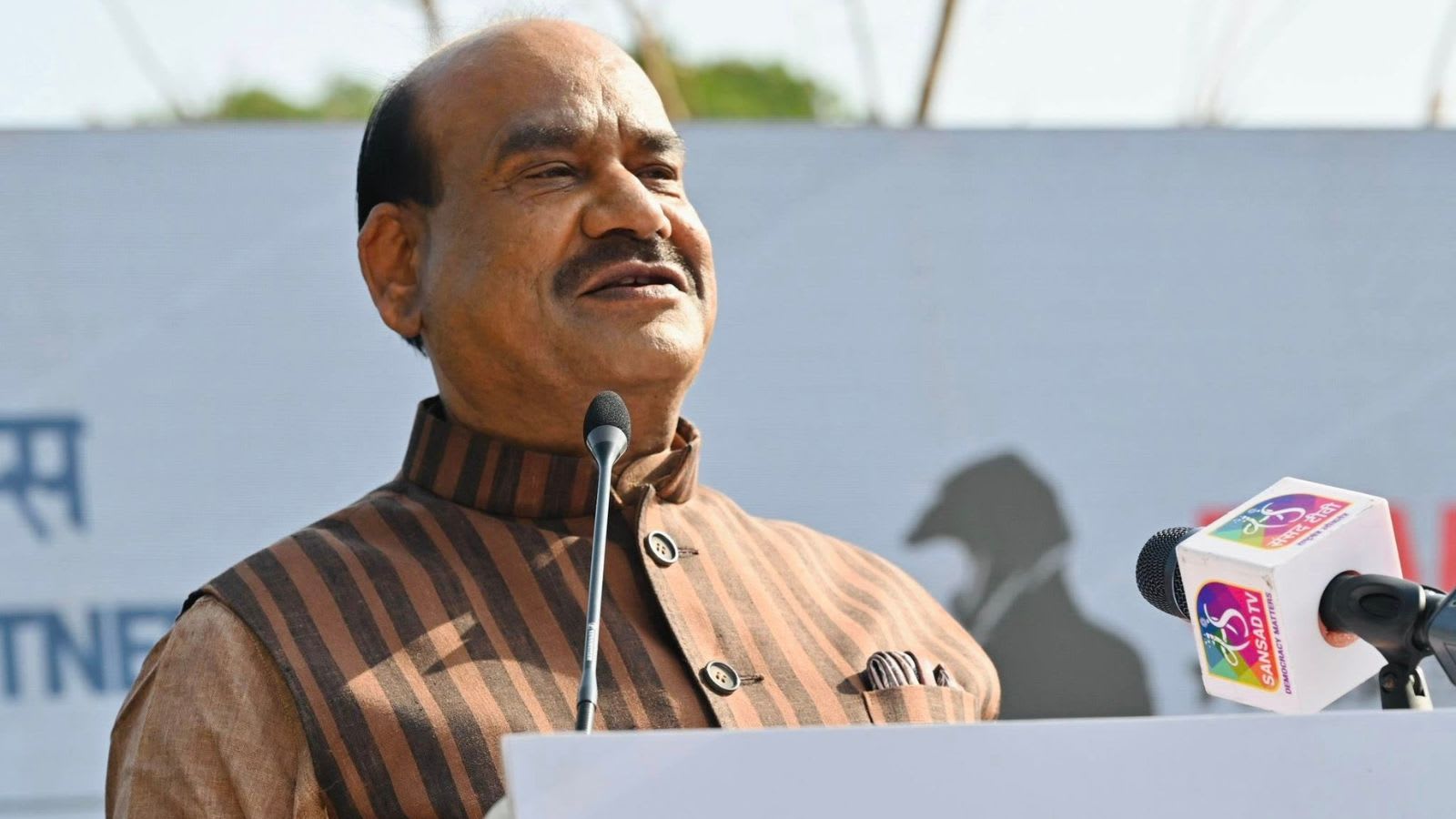
Lok Sabha Speaker Om Birla emphasized that the 33% women's reservation will transform political leadership in India. He highlighted the goal of greater female representation in public services, despite recent legislative hurdles regarding the 2029 implementation.
Empowering Women in Indian Governance
Lok Sabha Speaker Om Birla recently underscored the transformative potential of the 33% reservation policy for women in the Lok Sabha and state Assemblies. Speaking at a two-day workshop on “Gender-Responsive Governance” organized by the National Commission for Women in Faridabad, Birla articulated a vision where women not only participate in legislative processes but eventually comprise over half of India’s public services. This assertion marks a significant political commitment to rebalancing the gender dynamics within the nation’s highest decision-making bodies.
The Path Toward Gender-Responsive Governance
The initiative to host a capacity-building workshop reflects a broader systemic effort to transition from tokenistic representation to substantive governance. By focusing on "Gender-Responsive Governance," the government aims to equip female leaders with the necessary administrative and legislative tools to navigate complex policy frameworks. This transition is crucial, as the mere presence of women in office is insufficient without the institutional support required to enact meaningful social and economic reform.
Legislative Hurdles and the 2029 Horizon
The current political landscape is heavily influenced by the government's objective to operationalize the women's reservation law before the 2029 Lok Sabha elections. However, the path to implementation remains fraught with constitutional and procedural challenges. A recent attempt to amend the law during the Budget Session failed to secure the necessary two-thirds majority in Parliament, highlighting the deep-seated political resistance and complexities surrounding the interplay between reservation quotas and delimitation processes.
Delimitation and Constitutional Complexity
A critical factor complicating the rollout of this reservation is its linkage to the delimitation process. Because the reservation is tied to constitutional amendments involving electoral boundary restructuring, it becomes a sensitive issue that touches upon federalism and regional political power dynamics. The failure to achieve the required consensus in the latest session illustrates that the road to implementation requires not just legislative intent, but a broader political consensus across party lines.
Future Outlook and Societal Impact
Looking ahead, the success of this legislation will be measured by the quality of leadership it fosters and the long-term impact on public service demographics. If the government succeeds in overcoming the current legislative gridlock, the legislative landscape of India could undergo a structural shift. The long-term trend points toward a more inclusive democracy, but the pace of this change remains dependent on the government's ability to navigate the complex constitutional requirements linked to the 2029 timeline.
Conclusion
In summary, Speaker Om Birla’s comments signal a firm government stance on advancing gender equality in politics. While the legislative journey has faced significant setbacks, the focus on capacity building and the target of the 2029 elections suggest that the push for the 33% quota remains a central pillar of the current political agenda. Addressing the hurdles of the delimitation-linked amendment will be the definitive test for this policy in the coming years.