HC rejects hospital’s plea to recover ₹1.30-cr from doctor for abruptly stopping work
Source Entity
Latest News: Todays Latest News Headlines from India & World | Hindustan Times | Hindustan Times
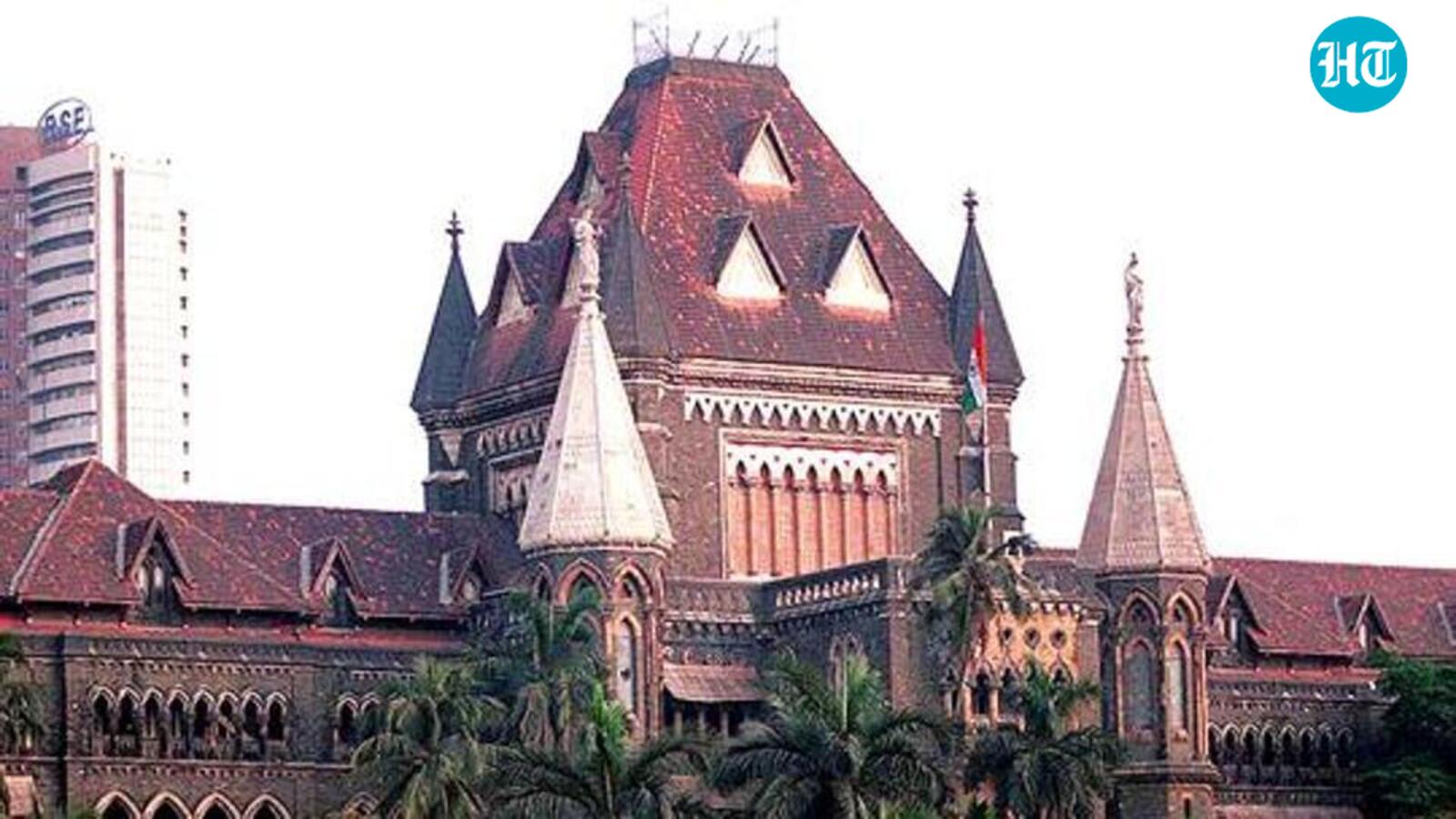
The Bombay High Court has denied Wockhardt Hospitals' request to recover ₹1.30 crore from a doctor who resigned with insufficient notice. The court ruled that damages under the Indian Contract Act require proof of actual, not speculative, financial loss.
Legal Precedent on Contractual Damages in Healthcare
The Bombay High Court's recent ruling in the case of Wockhardt Hospitals Ltd versus Dr. Nishit Vyas serves as a critical reminder of the limitations regarding breach of contract claims in an employment context. By rejecting the hospital's bid to recover ₹1.30 crore for an alleged breach of notice period, the court has reinforced the principle that contractual damages are not intended to be punitive, but rather restorative.
Interpreting Section 73 of the Indian Contract Act
At the heart of the dispute is Section 73 of the Indian Contract Act, which governs compensation for loss or damage caused by a breach of contract. The division bench, comprising Justices GS Kulkarni and Dr. Neela Gokhale, emphasized that the law requires a claimant to demonstrate 'real loss or actual damage.' The hospital’s argument—that the sudden departure of a Senior Consultant caused massive losses—was deemed insufficient because it relied on hypothetical or probable damages rather than concrete financial evidence.
The Balance Between Employment Mobility and Institutional Stability
This case highlights the ongoing tension between medical institutions seeking to maintain operational continuity and the professional mobility of specialized doctors. Hospitals often enforce lengthy notice periods to ensure a seamless transition of patient care. However, this ruling clarifies that if an institution intends to seek damages for a breach, it must be prepared to provide rigorous documentation proving exactly how the resignation resulted in a direct, measurable financial deficit, rather than vague assertions of business disruption.
Implications for Corporate Healthcare
For the broader healthcare sector, this decision signals a shift in how employment contracts may be viewed in court. Large hospital chains often include high-value liquidated damage clauses in their employment agreements. This judgment serves as a cautionary tale: such clauses are not automatically enforceable. If a hospital cannot prove that the breach directly caused specific financial harm, the court will likely view the claim as an attempt to enforce a penalty rather than recover actual losses.
Future Trends in Employment Litigation
As the demand for specialized medical consultants continues to rise, we may see a trend toward more nuanced employment contracts that focus on performance-based retention rather than punitive notice periods. Future litigation will likely hinge on the quality of evidence produced by employers. Courts are increasingly prioritizing the actual economic reality of a situation over the rigid, often draconian, terms found in boilerplate employment contracts.
Conclusion
Ultimately, the Bombay High Court has upheld a standard of fairness that prevents employers from weaponizing contract law to recover speculative losses. By requiring proof of actual harm, the judiciary ensures that the legal system remains a tool for equitable restitution rather than a mechanism for imposing financial penalties on professionals who seek to exercise their freedom to change employment.
Verification Required?