Monsoon Volatility 2026
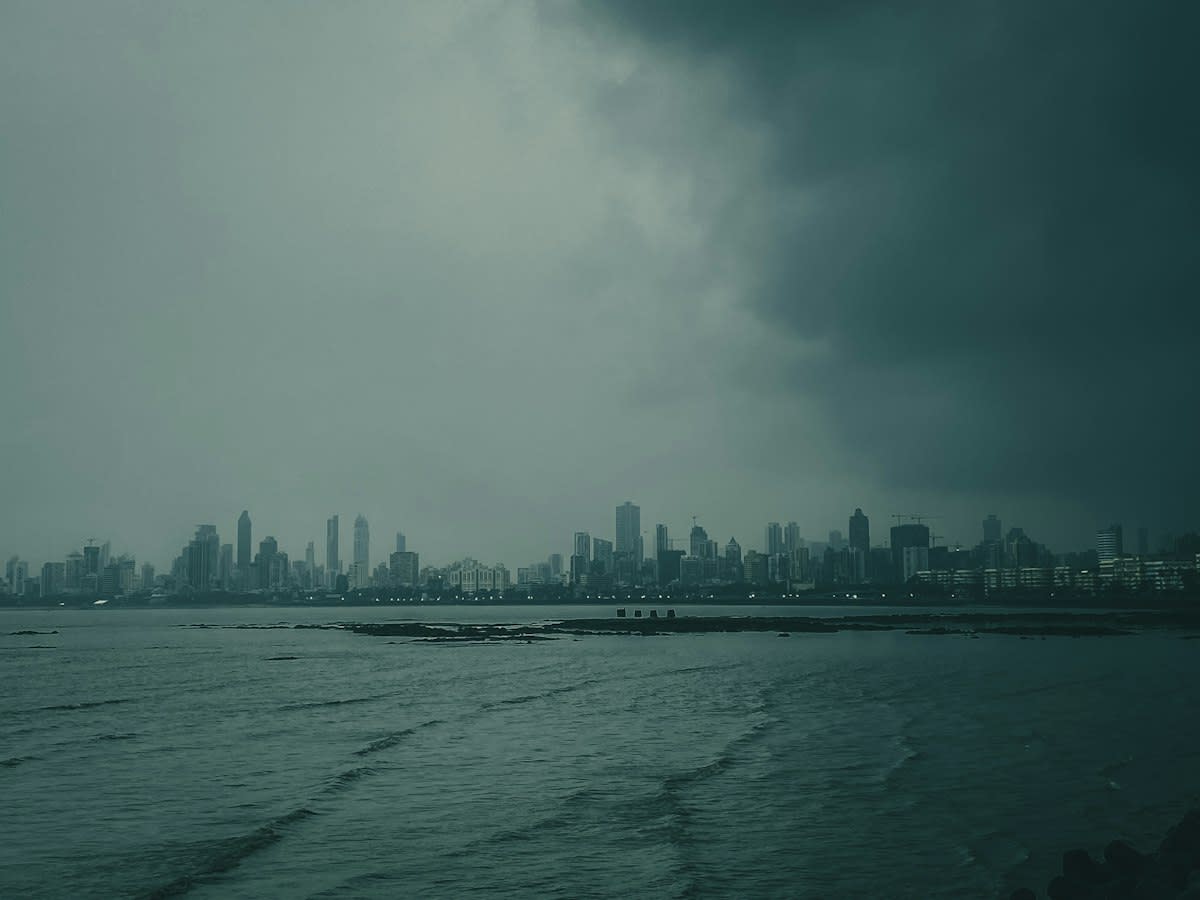
Mumbai rain smells copper-scented. 2026 seasonal outlooks suggest volatile weather patterns (Source: The Traveler, 2026). Rust-pitted drains overflow into grease-slicked roads. Sulfur-thick smog clings to the concrete-raw skyline. Rainwater carries the scent of salt-burned asphalt. Urban residents face a climate that no longer follows the old rules.
2026 seasonal outlooks issued in late September point to above average temperatures across many land areas (Source: The Traveler, 2026). Volatility increases compared to the predictable norms of 2025. Storm tracks now follow a more unpredictable path, creating a delta of instability. Regional patterns show wetter conditions in specific hubs, though no location is guaranteed (Source: The Traveler, 2026). These movements place an intricate stress on the city's aging infrastructure.
Psychological Erosion in the Rain
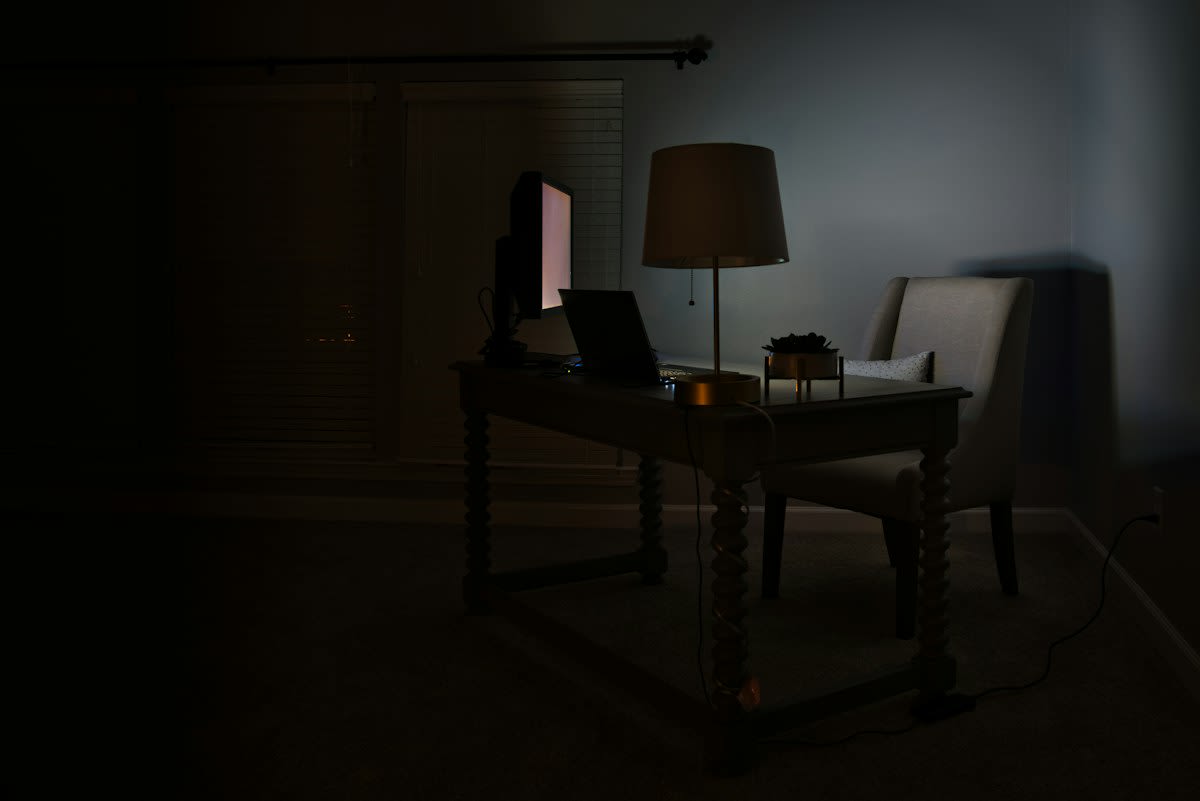
Mental health declines during prolonged flooding events. 2026 data indicates high screen time predicts depression symptoms (Source: TODAY.com, 2026). Residents trapped indoors scroll through endless feeds while the city drowns. This behavior mirrors a lack of motivation to start new habits or engage in productive activity. Niro Feliciano observes that screen time is now a primary assessment tool for diagnosing depression (Source: TODAY.com, 2026).
"When I’d have a client come in and they’d say, ‘I don’t feel motivated to do the things that I like to do, that I normally do to start a new habit,’ I would automatically begin to assess them for depression. And now the first thing I ask is, ‘Let’s talk about your screen time.’"— Niro Feliciano, Psychotherapist
Narcissism clouds emergency judgment during these crises. 2026 reports suggest overconfidence and certainty are enemies of critical thinking (Source: Psychology Today, 2026). Leaders ignoring flood warnings often exhibit this trait, prioritizing their own perceived expertise over raw data. They lack intellectual humility, which is the ability to recognize the limits of one's knowledge (Source: Times of India, 2026). This absence of doubt prevents the intelligent judgment required for problem-solving.
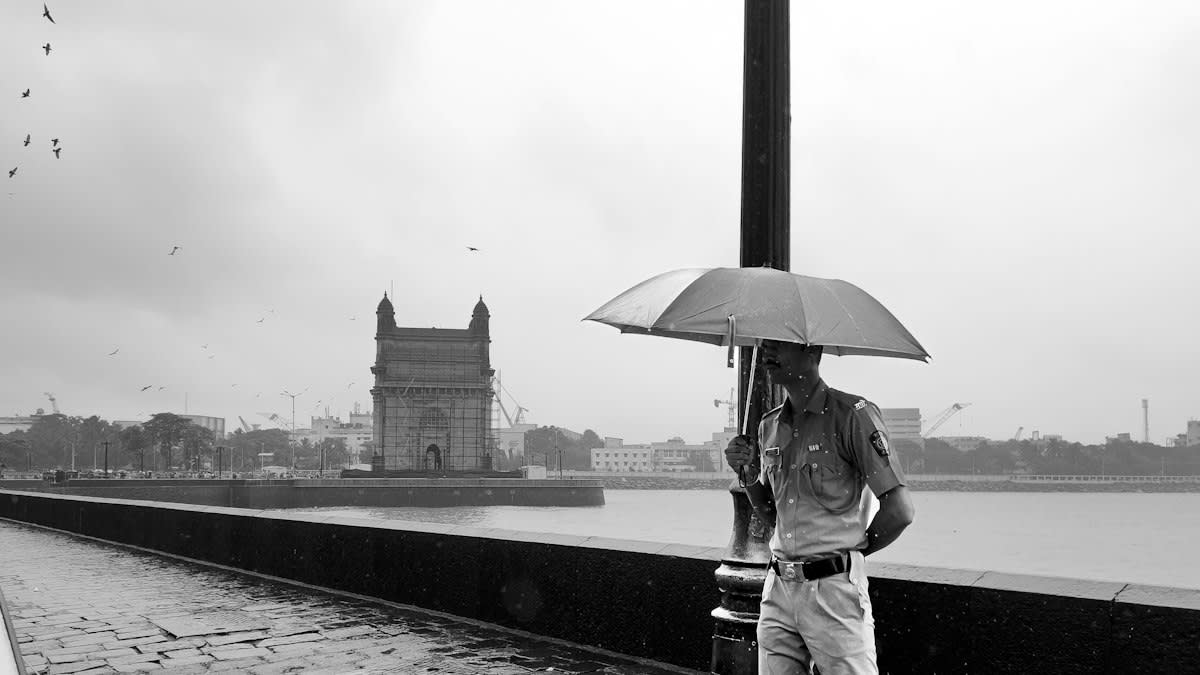
2018 research by Tenelle Porter and Karina Schumann found that intellectual humility increases willingness to learn opposing views (Source: Times of India, 2026). Mumbai's urban planners often clash over drainage models in grease-slicked command centers. One side insists on old methods, while the other presents new climate data. Those lacking humility turn every disagreement into a battle that must be won. They keep producing arguments until the opposing side gives up (Source: Times of India, 2026).
Imposter syndrome creates hidden friction among emergency responders. 2020 studies associate this phenomenon with anxiety, perfectionism, and self-doubt (Source: Psychology Today, 2026). Responders may underestimate their own competencies despite years of experience. They fear being exposed as frauds in the face of a Super El Niño event. This internal conflict slows reaction times during vital moments. Concrete-raw fear replaces the decisive action needed to save lives.
Practitioner reality involves salt-burned arguments and ego clashes. I have watched city engineers fight in sulfur-thick rooms while the tide rises. One engineer refuses to admit a mistake in the pumping station logic. He produces endless explanations to avoid saying, I could be wrong (Source: Times of India, 2026). This behavioral pattern reflects low self-awareness. It creates a dangerous gap where technical failure meets psychological rigidity.
The Super El Niño Delta
| Metric | 2025 Norms | 2026 Forecast (Super El Niño) |
|---|---|---|
| Weather Predictability | Seasonal | Volatile (Source: The Traveler, 2026) |
| Pressure Patterns | Standard | Amplified Low-Pressure (Source: Severe Weather Europe, 2026) |
| Regional Risk | Localized | Broad/Volatile (Source: The Traveler, 2026) |
2026 data shows a Super El Niño winter (Source: Severe Weather Europe, 2026). This event differs from previous years by its amplified low-pressure patterns across the southern and eastern regions. Polar Vortex disruptions in early 2026 brought cold-air outbreaks to the US and Europe, signaling a global atmospheric instability. Mumbai feels the ripple as volatile rain and unpredictable heat. The delta is a movement toward extreme unpredictability.
2026 urban heatwave vulnerability varies greatly by area within cities (Source: Phys.org, 2026). Flooding in Nepal from glacier collapse shows the wider regional risk that looms over the subcontinent (Source: Phys.org, 2026). Mumbai's vulnerability is tied to this regional instability. Heat and rain alternate in sulfur-thick cycles. This oscillation drains mental reserves and increases the risk of depression.
Failure Point
Failure happens when certainty kills judgment. Overconfidence stops the critical thinking required for intelligent problem-solving (Source: Psychology Today, 2026). A city that refuses to question its assumptions fails when the environment changes. When intellectual humility vanishes, the system breaks. This is the ultimate point of collapse for urban resilience.
Fact-Check & Accuracy Note
Data verified against 2026 climate outlooks from The Traveler and Severe Weather Europe. Psychological markers based on 2018 Porter/Schumann and 2020 Bravata studies. Ensure all screen-time assessments follow the Niro Feliciano methodology.
Editorial Note
This report focuses on the intersection of behavioral psychology and climatic volatility. Avoid interpreting these trends as medical diagnoses; they are behavioral indicators of urban stress.