MSRTC launches Mumbai-Navi Mumbai Airport bus service amid T1 redevelopment plan controversy
Source Entity
India Latest News: Top National Headlines Today & Breaking News | The Hindu
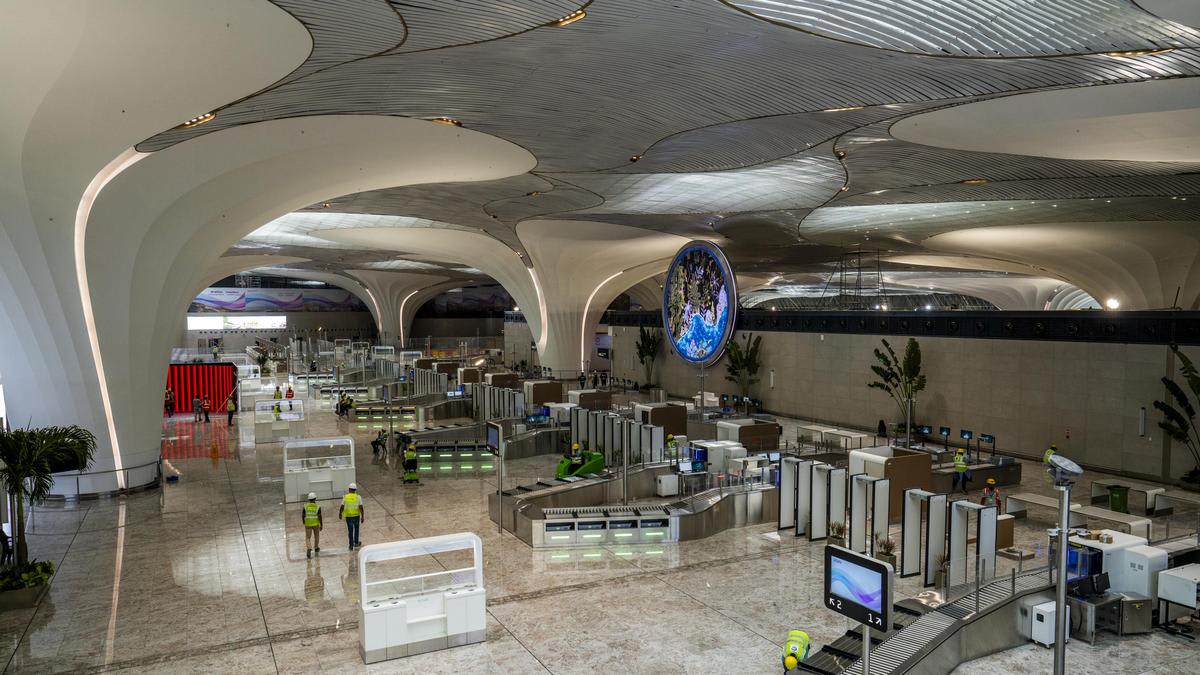
MSRTC has launched a new bus service connecting Dadar and Borivali to the Navi Mumbai International Airport. The initiative has sparked political controversy, with Aaditya Thackeray accusing airport operators of forcing a shift that inconveniences Mumbaikars.
The Strategic Shift: MSRTC’s New Airport Connectivity
On October 7, 2026, the Maharashtra State Road Transport Corporation (MSRTC) officially inaugurated a new bus service connecting Dadar and Borivali to the upcoming Navi Mumbai International Airport. Flagged off by Transport Minister Pratap Sarnaik, the service utilizes the Atal Setu to facilitate travel between Mumbai’s urban centers and the new aviation hub. The government views this as a vital infrastructure project intended to integrate the airport into the state's broader public transport network, promising to serve both air travelers and daily commuters as demand scales.
Infrastructure and the Redevelopment Conflict
The launch occurs against a backdrop of significant tension regarding the redevelopment of Mumbai’s Terminal 1 (T1). While the government promotes the Navi Mumbai facility as a necessary expansion to alleviate pressure on Mumbai’s existing airport infrastructure, the transition has faced resistance from various airlines. These carriers are reportedly concerned about the operational logistics and commercial viability of shifting international flight operations to the new location, creating a bottleneck in the state’s aviation strategy.
Political Friction and Public Perception
This infrastructure development has become a flashpoint for political discourse in Maharashtra. Aaditya Thackeray, a prominent leader of the Shiv Sena (UBT), has leveled sharp criticism against the airport operator, Adani Airports. Thackeray accused the entity of "fleecing" Mumbaikars by essentially forcing a relocation of services to Navi Mumbai. This narrative suggests that the shift is not merely an operational necessity but a move that prioritizes corporate interests over the convenience and financial burden placed on the local citizenry.
The Economic Implications of the Atal Setu Connection
The use of the Atal Setu for these MSRTC routes is a deliberate attempt to reduce travel time and improve connectivity between the two major urban nodes. By bridging the distance between the existing population centers of Mumbai and the new airport, the government hopes to make the transition more palatable for travelers. However, the success of this infrastructure depends heavily on the public's willingness to adopt these routes as a primary means of airport access, especially if international flight schedules remain contested.
Future Outlook and Conclusion
Looking ahead, the MSRTC plans to scale these services based on real-time demand, signaling a long-term commitment to making the Navi Mumbai airport a central transit point. The conflict between the state government’s push for regional development and the opposition’s claims of corporate overreach suggests that this issue will remain prominent in upcoming political debates. Ultimately, the future of the Navi Mumbai airport hinges on the delicate balance between efficient modernization and the accessibility concerns of the Mumbaikars who rely on these transit systems daily.
Verification Required?