‘Caregiver’s transfer inhumane’: Rajasthan High Court quashes bank manager’s posting
Source Entity
Vineet Upadhyay
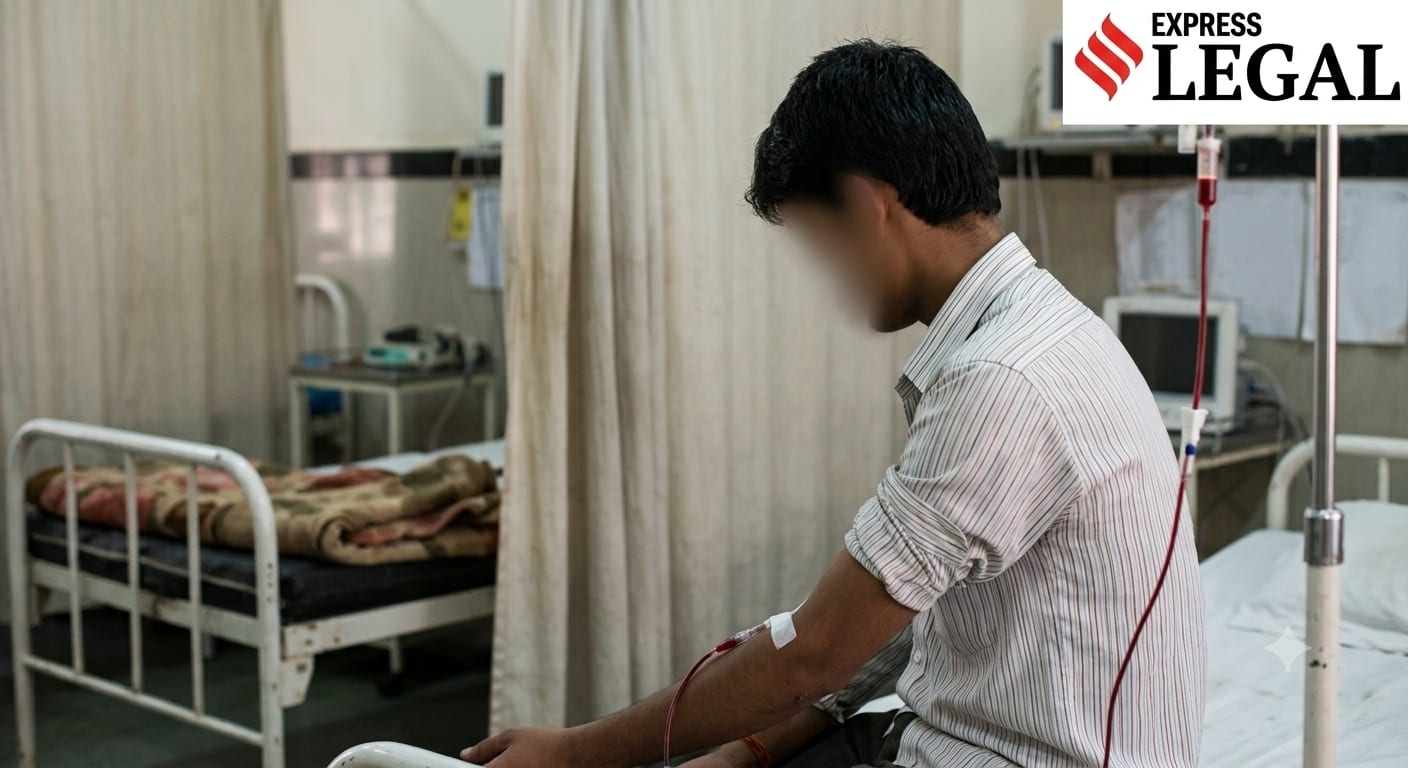
The Rajasthan High Court has quashed the transfer of a UCO Bank manager, deeming it inhumane given his role as the sole caregiver for his disabled brother. The court ruled that institutional transfer policies must account for compassionate grounds involving dependents with severe health conditions.
Judicial Intervention in Employment Transfers
The Rajasthan High Court recently delivered a significant judgment regarding the intersection of institutional administrative policy and human rights. Justice Anoop Kumar Dhand, presiding over the petition filed by UCO Bank manager Rahul Agrawal, quashed a transfer order that would have relocated the employee from the Baneti branch in Jaipur to the Bhadwa branch in Ahmedabad—a distance of nearly 1,000 kilometers. The court’s intervention underscores the judiciary's role in ensuring that corporate and bureaucratic mechanisms do not override the fundamental necessity of care for vulnerable dependents.
The Human Cost of Mechanical Policy
At the heart of the dispute was the bank's reliance on a routine transfer policy. The court found that the institution had applied this policy mechanically, failing to acknowledge the specific hardships faced by the petitioner. Agrawal serves as the primary caregiver for his brother, who suffers from a 75 per cent permanent disability and thalassemia. Because the brother requires consistent, life-sustaining medical intervention, including regular blood transfusions, the court identified the transfer as "not only arbitrary but also inhumane."
Legal Safeguards for Caregivers
This ruling highlights a critical failure in the bank's internal processes: the neglect of existing safeguards designed to protect employees who are primary caregivers for individuals with disabilities. The court emphasized that while organizations possess the prerogative to transfer staff for operational efficiency, such power is not absolute. When an employee is the sole provider of medical treatment, personal care, and financial support for a disabled family member, any administrative decision that disrupts this support system must be scrutinized under the lens of compassion and constitutional equity.
Precedent for Institutional Accountability
The decision sets a vital precedent for how public and private sector institutions must balance their operational needs with the social responsibilities they bear toward their workforce. By classifying the transfer as "inhumane," the Rajasthan High Court has signaled that administrative "routine" is not a valid defense against the disruption of essential caregiving duties. It reinforces the expectation that corporations must integrate humanistic considerations into their human resource policies, rather than operating as detached, rule-bound entities that ignore the lived realities of their employees.
Broader Implications and Future Trends
This case serves as a poignant reminder of the challenges faced by caregivers in the modern workforce. As societal structures change and the reliance on family-based care for the disabled remains high, employers are increasingly being held accountable for their role in facilitating or hindering this care. Moving forward, we can expect to see more litigation centered on the "right to care," where employees seek legal protection against professional displacement that threatens the health and survival of their dependents. The Rajasthan High Court’s ruling acts as a beacon for policy reform, urging institutions to adopt more flexible and empathetic approaches to employee management.