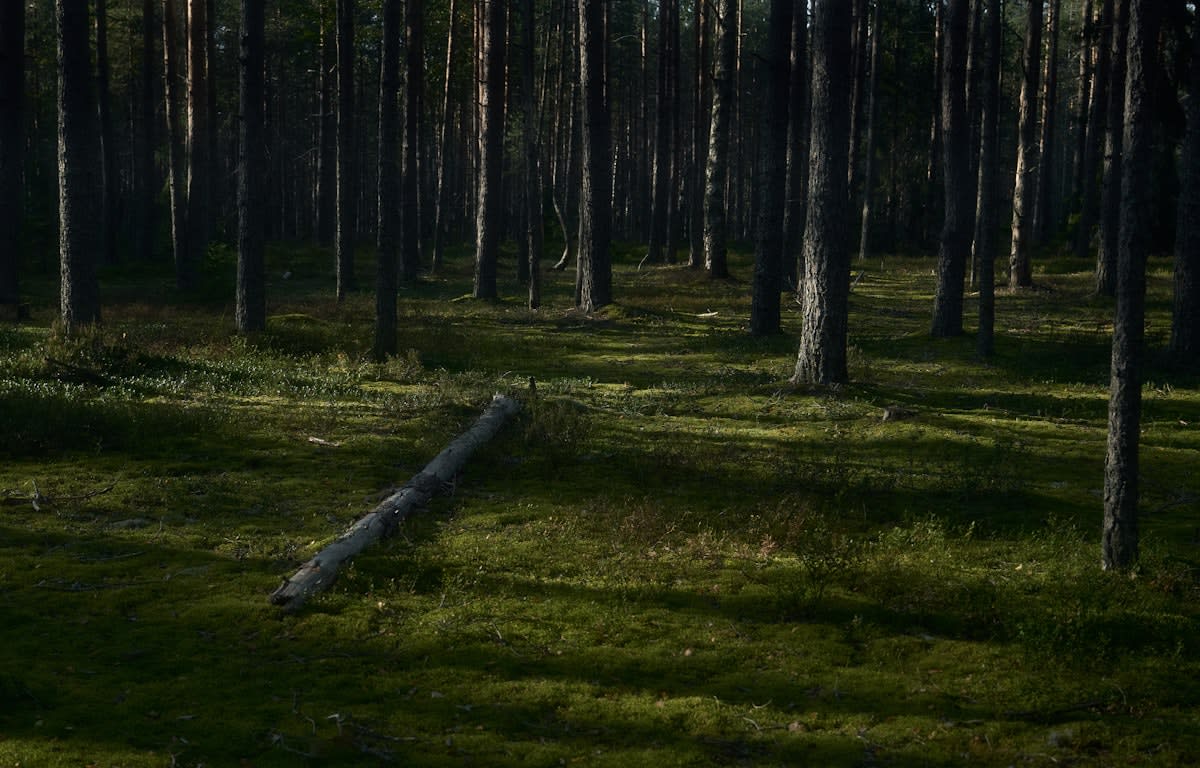
Who actually owns the forest? If you look at the canopy, you see towering pines or ancient oaks asserting dominance through height and light. But this is a surface-level illusion. The real power resides in the dark, damp silence of the rhizosphere, where mycorrhizal fungal networks operate as the invisible architects of the ecosystem. For too long, popular science has painted these networks as a socialist utopia—a friendly 'Wood Wide Web' where trees altruistically share nutrients. This narrative is dangerously naive. In reality, we are looking at a sophisticated, transactional biological marketplace where survival is bought, not given.
The relationship is fundamentally a trade agreement. Trees produce carbon-rich sugars through photosynthesis, a currency the fungi cannot generate. In exchange, the fungi scavenge the soil for phosphorus, nitrogen, and water, minerals that the tree's bulky roots are too clumsy to find. This isn't a partnership of equals; it is a strategic alliance. The fungi act as the brokers of the underworld, controlling the flow of essential resources. When a tree fails to provide enough carbon, the fungal network doesn't just stop helping—it can effectively embargo the tree, cutting off its access to life-sustaining minerals.
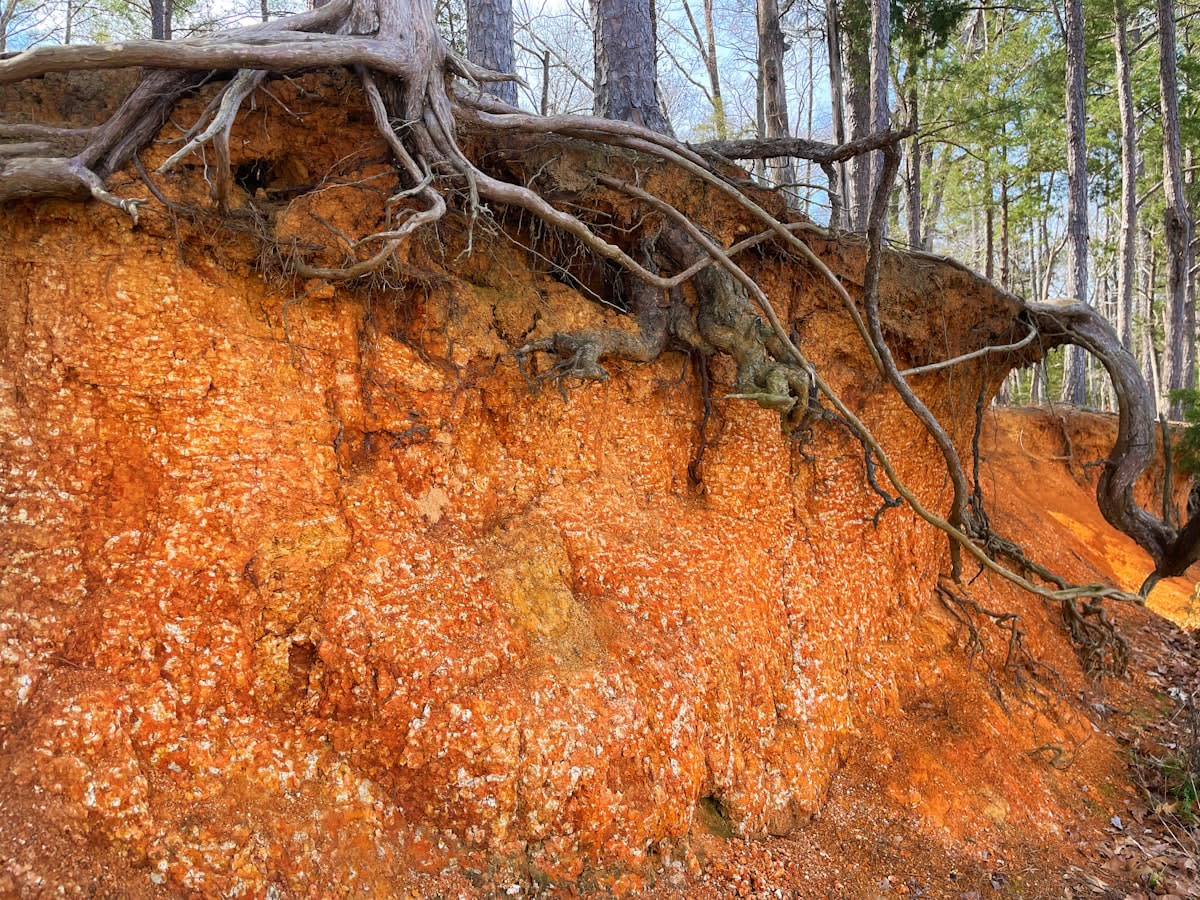
The Biological Ledger: Carbon for Phosphorus
Consider the sheer scale of this underground economy. Research indicates that trees may allocate up to 30% of their total photosynthate—their hard-earned carbon—to their fungal partners. This is a massive operational cost. Why pay such a steep tax? Because the return on investment is non-negotiable. In phosphorus-poor soils, such as those found in the ancient rainforests of the Congo Basin or the weathered soils of the Amazon, a tree without a fungal broker is functionally dead. The fungi increase the effective surface area of the root system by orders of magnitude, capturing nutrients that would otherwise remain locked in the mineral substrate.
But here is where the contrarian reality sets in: the fungi are not passive conduits. They actively manage the distribution of these resources. By manipulating the flow of nutrients, fungal networks can favor certain species over others, effectively deciding the composition of the forest. If a specific tree species provides a high-quality carbon reward, the fungi will prioritize its growth, ensuring the 'best customer' survives. This creates a feedback loop that can drive the dominance of a single species, not because that tree is biologically superior, but because it has the best trade deal with the local mycelium.
The Broker's Logic
The common misconception is that the forest is a community. It is actually a series of overlapping contracts. The fungi are the accountants, and carbon is the only currency that matters.
This biological ledger extends far beyond a few roots, creating systemic shifts in how we understand forest resilience. In the boreal forests of Siberia and Canada, these networks are the primary mechanism for survival in extreme cold. The fungi don't just trade; they buffer. They can move carbon from a sun-drenched canopy tree to a struggling sapling in the deep shade. While this looks like kindness, it is actually a strategic investment. The fungus is ensuring that its future carbon sources—the saplings—survive long enough to become profitable partners.
| Network Type | Primary Resource Trade | Carbon Cost | Ecosystem Strategy | Typical Habitat |
|---|---|---|---|---|
| Ectomycorrhizal (ECM) | Nitrogen / Carbon | High (15-30%) | Competitive Dominance | Temperate/Boreal Forests |
| Arbuscular Mycorrhizal (AM) | Phosphorus / Carbon | Moderate (10-20%) | Broad Integration | Tropical/Grasslands |
| Ericoid Mycorrhizal | Organic Nitrogen | Variable | Stress Adaptation | Heathlands/Tundra |
The strategic difference between these networks is stark. Ectomycorrhizal fungi, common in the Northern Hemisphere, tend to be more aggressive and exclusionary. They create dense mantles around roots, effectively locking out other fungal species. This is the biological equivalent of a corporate monopoly. Arbuscular mycorrhizal networks, more prevalent in the tropics, are more integrated and diverse, reflecting a different economic model—one of high-volume, low-margin trades across a wider variety of plant hosts.
The Underground Cold War
When we talk about the 'Cold War' of the soil, we are talking about resource raiding. Some fungal species have evolved to be 'cheaters.' They siphon carbon from a healthy tree without providing any nutrients in return. Other fungi act as conduits for allelopathy, where a dominant tree uses the fungal network to send toxins to a rival species, killing it from the roots up. This isn't a peaceful coexistence; it is a silent, subterranean war for territory and resources.
"We have viewed the forest as a collection of individuals. We must start viewing it as a single, fungal-managed resource grid. The tree is merely the solar panel; the fungus is the grid operator."— Strategic Analysis of Rhizosphere Dynamics
This shift in perspective changes everything regarding forest management. For decades, industrial forestry has focused on the trees—planting rows of the same species and applying chemical fertilizers. This approach is a catastrophe for the underground economy. Fertilizers make the trees 'lazy,' breaking the trade agreement with the fungi. When the tree no longer needs the fungus for nitrogen or phosphorus, it stops paying the carbon tax. The fungal network collapses, and the forest loses its systemic resilience. We are essentially bankrupting the soil to get a short-term growth spike in the canopy.
The implications for global carbon sequestration are staggering. If these networks are the primary regulators of carbon flow, then the health of the mycelium is more important than the number of trees. A forest with high network connectivity—often 10 times higher in old-growth forests than in plantations—can sequester carbon far more efficiently. The fungi don't just move carbon; they store it in the soil as glomalin, a sticky protein that locks carbon away for decades. By destroying the network, we aren't just losing trees; we are leaking carbon back into the atmosphere.
Can we adapt our approach to mimic this resilience? The opportunity lies in 'myco-forestry.' Instead of treating the soil as a dead medium for nutrients, we must treat it as a living infrastructure. This means prioritizing the preservation of 'hub trees'—the ancient giants that serve as the central nodes for these networks. When a hub tree dies, the network doesn't just lose a member; it loses a central bank. The resulting crash can lead to a cascade of deaths among the surrounding younger trees who relied on that hub for resource stability.
Beyond the Canopy: A New Systemic Logic
Ultimately, the fungal network teaches us a lesson in systemic interdependence. The 'strength' of a forest is not found in the vigor of its strongest tree, but in the efficiency of its underground trades. The ability of a forest to survive a drought or a pest outbreak depends on how well the fungi can redistribute resources to the most vulnerable points of the system. It is a brutal, calculating, and utterly efficient way of ensuring the survival of the whole, even if it requires the sacrifice of the few.
We must stop asking how to grow more trees and start asking how to support more networks. The future of planetary resilience isn't in the leaves; it is in the mycelium. If we can decode the specific trade signals—the chemical 'handshakes' between fungi and roots—we can engineer ecosystems that are not just productive, but indestructible. The underground cold war is ongoing, and it is time we stopped ignoring the generals running the show from the dirt.