Trump’s promise of $5,000 for voters if Republicans win midterms could cost US $1 trillion
Source Entity
The Indian Express
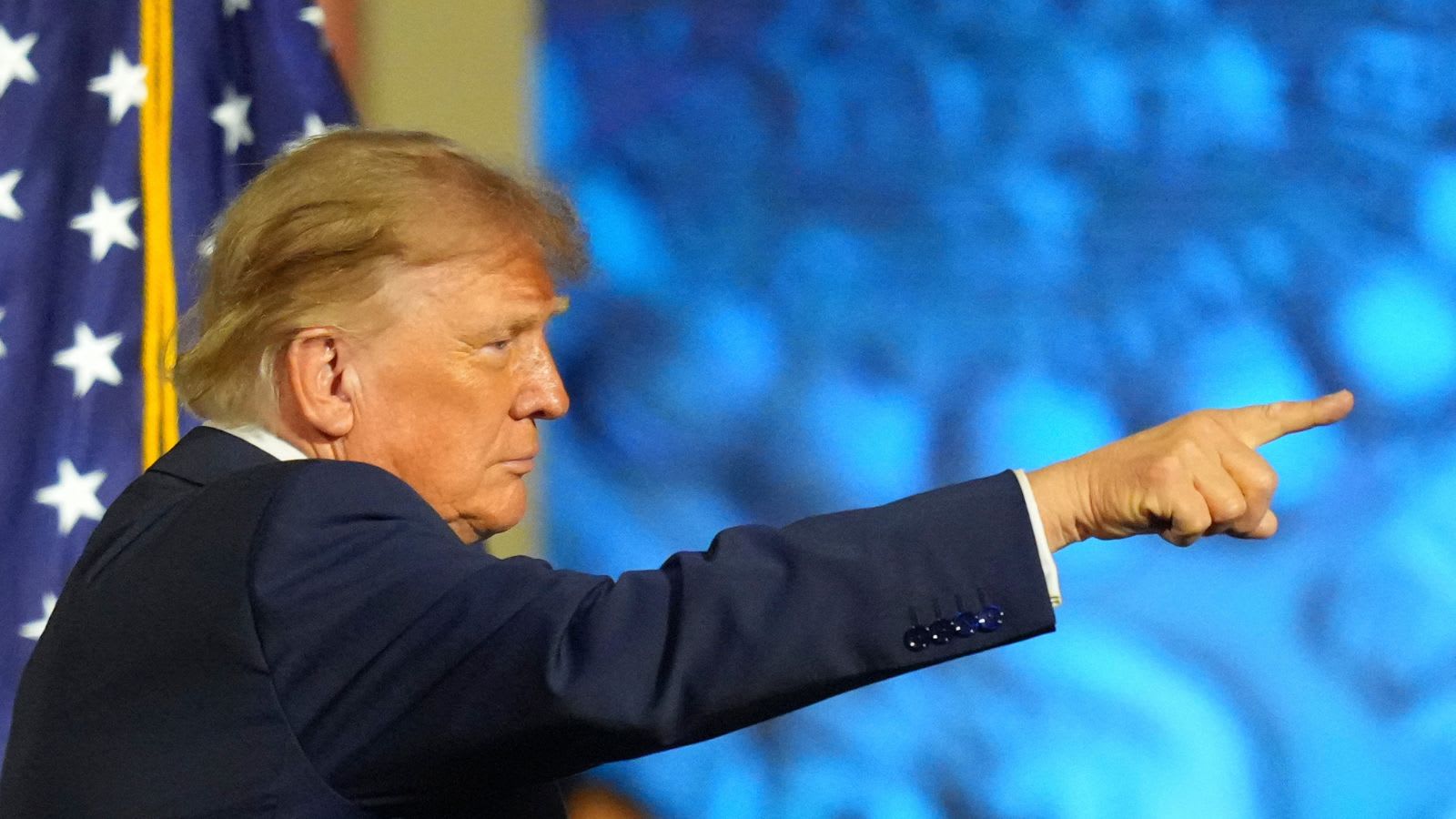
Former President Donald Trump proposed a $5,000 payout to every American adult if Republicans secure a midterm victory. The rally in Dallas also featured unconventional rhetoric, including suggestions to rename geographic landmarks like the Strait of Hormuz.
The Midterm Strategy: Trump’s Dallas Rally Analysis
Rhetoric as a Campaign Tool
During the Republican Party's midterm convention in Dallas, Donald Trump utilized his keynote address to solidify his control over the party base. By employing his trademark populist rhetoric, he moved beyond standard policy discussions to suggest the renaming of the Strait of Hormuz to the “Trump Strait.” This performative style serves to dominate the news cycle and energize supporters, framing complex geopolitical issues through a lens of personal branding and nationalistic pride.
The $5,000 Payout Proposal
Perhaps the most controversial element of the Dallas address was the promise of a $5,000 payment to every American adult contingent upon a Republican sweep of the House and Senate. This proposal, which carries an estimated price tag of over $1 trillion—amounting to roughly 3% of the U.S. GDP—highlights a high-stakes effort to reverse dipping popularity ratings. Economists and political observers have immediately raised questions regarding the feasibility and ethical implications of such a direct financial incentive tied to electoral outcomes.
Shifting the Geographic Narrative
In addition to the Hormuz proposal, Trump suggested renaming Lake Ontario to “Lake America” and floated the idea of renaming New Mexico. These suggestions, while likely intended as rhetorical flourishes, underscore a broader strategy of cultural and geographic re-branding that appeals to a specific segment of the electorate. By challenging established nomenclature, the former president aims to project power and assert a dominant vision of American identity.
Convention Dynamics
While the event in Dallas featured all the hallmarks of a traditional presidential election-year gathering—including elaborate costumes and extensive merchandising—it functioned primarily as a high-intensity rally rather than an administrative convention. With no official party business conducted, the focus remained entirely on candidate support and voter turnout. This structure reflects the current state of the GOP, where the influence of the party leader remains absolute and central to the mobilization strategy for November.
Economic and Political Implications
The magnitude of the proposed $1 trillion payout suggests a desperate bid to stave off potential losses in the midterm elections. By tying direct financial gain to the retention of Congressional control, the campaign is attempting to shift the focus from the administration’s record to an immediate, tangible economic incentive for the voter. This move signals significant anxiety within the Republican ranks regarding the upcoming electoral landscape and the party's ability to maintain its legislative majority.
Conclusion and Future Trends
As the midterm elections approach, the reliance on such bold, headline-grabbing promises suggests that the political environment remains highly volatile. The success of this strategy—balancing populist rhetoric with massive economic promises—will be tested at the ballot box. Whether these unconventional pitches effectively sway undecided voters or merely solidify the existing base remains a critical question for the future of American political campaigning.
Multiple Citing Sources