Coinbase CEO sees U.S. crypto regulation advancing regardless of Clarity Act vote
Source Entity
US Top News and Analysis
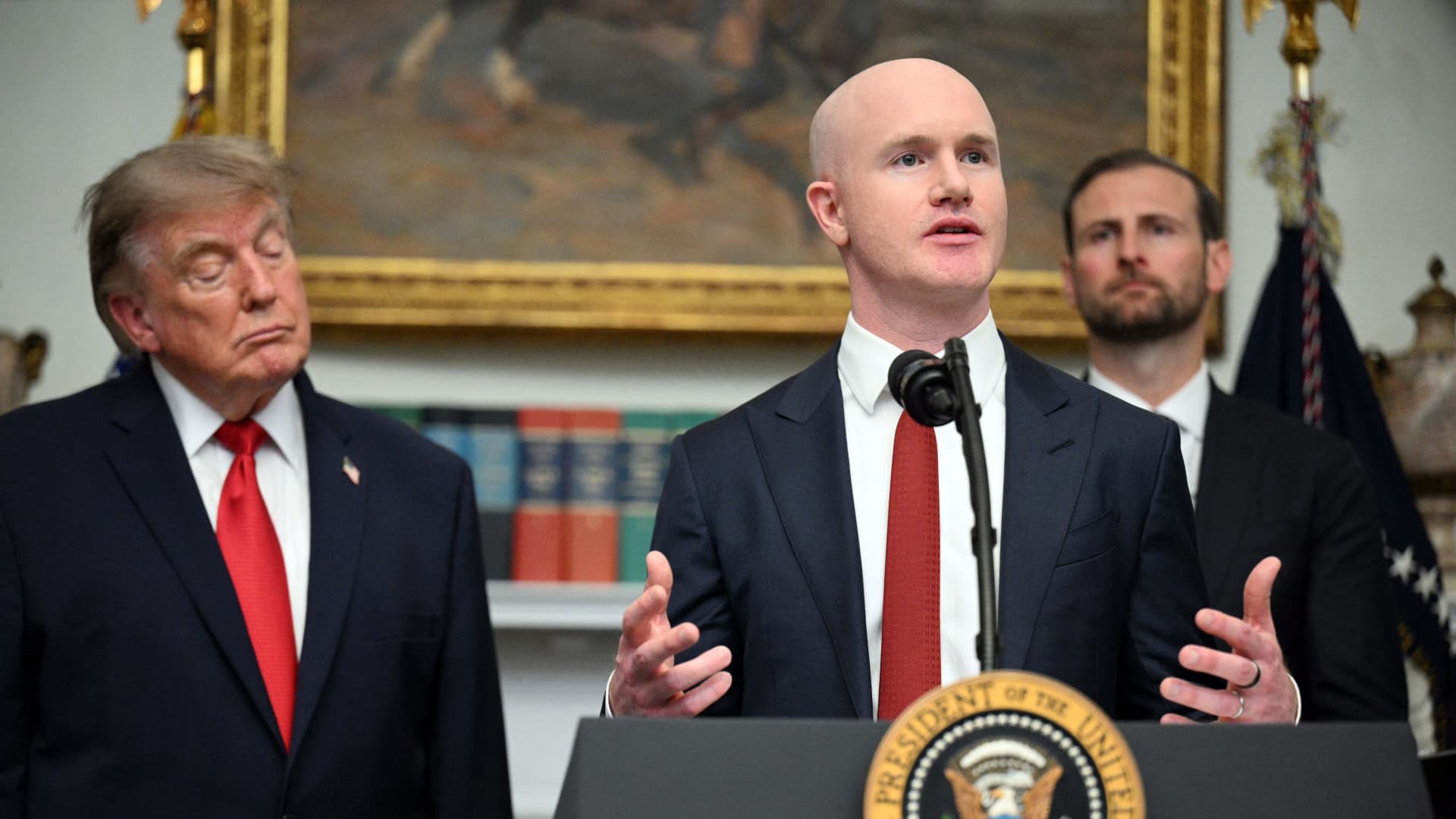
Coinbase CEO Brian Armstrong anticipates U.S. crypto regulation will advance regardless of the Clarity Act's specific vote outcome. He cites broad stakeholder support for the legislation, signaling a potential shift in the federal oversight of digital assets.
The Future of U.S. Cryptocurrency Regulation
The Shifting Regulatory Landscape
Coinbase CEO Brian Armstrong has recently offered a optimistic outlook regarding the trajectory of cryptocurrency regulation in the United States. Following high-level discussions, including a meeting with President Donald Trump at the White House, Armstrong suggested that a federal framework for digital assets is becoming increasingly inevitable. This shift represents a significant departure from the previous years of regulatory ambiguity that have historically plagued the sector.
The Role of the Clarity Act
The proposed Clarity Act serves as a central pillar in this new era of oversight. Designed to establish a cohesive federal framework, the legislation aims to clarify the legal status of various digital assets. Armstrong notes that the bill has garnered broad support from diverse groups, including major cryptocurrency firms, law-enforcement agencies, and several traditional financial institutions. This cross-sector coalition underscores the growing recognition that a clear set of rules is necessary for the long-term sustainability of the asset class.
Strategic Momentum Beyond the Vote
Perhaps most notably, Armstrong emphasized that regulatory progress is not strictly tethered to the successful passage of the Clarity Act alone. While he remains confident in the bill's prospects within the Senate, his comments suggest that the momentum for regulation has reached a critical mass. Even if the legislative process encounters hurdles, the underlying drive for a structured crypto market appears to be moving forward, potentially through alternative legislative avenues or regulatory agency enforcement shifts.
Institutional and Law Enforcement Alignment
The alignment of law enforcement with crypto firms is a significant development. Historically, the relationship between these entities was often adversarial, focused primarily on illicit activity. However, the current consensus suggests that a structured regulatory environment will provide law enforcement with better tools to monitor and prevent financial crimes, while offering crypto companies the legal certainty required for institutional adoption. This convergence is a key driver for the current bipartisan and industry-wide support.
Looking Ahead: Market Maturity
The push for federal oversight marks a transition from a 'wild west' era of decentralized finance to a more mature, institutional-grade market. If the United States successfully implements a robust framework, it could set a global standard for digital asset management. This would likely encourage further investment from traditional banks and provide retail investors with greater protections against market volatility and fraudulent activities.
Conclusion
In summary, Brian Armstrong’s recent statements highlight a pivotal moment for the U.S. cryptocurrency industry. By prioritizing federal legislation, stakeholders are aiming to institutionalize digital assets within the broader financial system. Whether through the direct passage of the Clarity Act or broader regulatory evolution, the path toward a governed crypto ecosystem appears to be accelerating, promising a more stable and transparent future for the market.