
Your brain operates on a finite energy budget. Every decision, every high-stakes email, and every complex problem you solve drains a specific set of metabolic resources. Most professionals attempt to refill this tank with a third espresso or a frantic scroll through social media, but these are stimulants, not restoratives. They mask the deficit; they do not solve it. Non-Sleep Deep Rest (NSDR) is the tactical alternative. It is a deliberate physiological shift that allows the nervous system to enter a state of deep relaxation while maintaining conscious awareness, effectively 'offloading' cognitive load without the grogginess of a traditional nap.
Why does this matter now? We are seeing a global surge in cognitive fatigue, exacerbated by hormonal shifts and aging. For instance, women in perimenopause often struggle with mental clarity and mood swings, leading to a reliance on targeted supplements like the Clara mental clarity strips (Source: Business Insider, 2026). While supplements have their place, the underlying issue is often an exhausted cognitive budget. Whether you are a trader in Singapore or a developer in Berlin, the ability to manually trigger a recovery state is the ultimate competitive advantage in a knowledge economy.
Prerequisites: Setting Your Recovery Environment
You cannot force deep rest in a chaotic environment. The goal is to signal to your brain that the 'threat' of the workday is temporarily paused. I have tried performing NSDR in open-plan offices in New York and noisy hubs in Mumbai; the results vary wildly based on sensory control. To get the maximum return on your 20 minutes, you need to eliminate external stimuli that trigger the 'alert' system of the brain.
- A quiet space or high-quality noise-canceling headphones.
- A comfortable surface (a recliner or a flat floor with a mat is ideal).
- An eye mask or a dark room to eliminate visual input.
- A timer set for exactly 20 minutes to remove the anxiety of 'checking the clock'.
- Loose clothing that does not restrict diaphragmatic breathing.
The NSDR Protocol: Step-by-Step Implementation
- Positioning: Lie flat on your back. Ensure your spine is neutral and your limbs are not crossing. This minimizes physical tension that the brain must subconsciously manage.
- The Physiological Sigh: Take a deep breath in through the nose, followed by a second, shorter inhale to fully inflate the alveoli in the lungs, then a long, slow exhale through the mouth. Repeat this three times to lower your heart rate.
- The Progressive Scan: Direct your attention to your toes. Feel them relax. Move slowly upward—ankles, calves, knees—visualizing the tension leaving the muscle. This shifts the brain from 'executive mode' to 'sensory mode'.
- Controlled Breath-Hold: Inhale for four seconds, hold for four, and exhale for eight. The extended exhale is the key; it activates the parasympathetic nervous system, signaling the body to recover.
- Mental Stillness: Allow your thoughts to float by without engaging with them. If you find yourself planning your next meeting, acknowledge the thought and return your focus to the sensation of your breath.

As a practitioner, I often see people treat NSDR as a form of sleep. It is not. The goal is 'hypnagogia'—that thin sliver of consciousness between wakefulness and sleep. If you fall completely asleep, you risk sleep inertia, which leaves you foggy for an hour. The debate among high-performance coaches usually centers on whether 'active' recovery (like light movement) or 'passive' recovery (like NSDR) is superior. While 10 minutes of light exercise can provide a quick memory boost (Source: Woman's World, 2026), NSDR is designed for deeper metabolic replenishment of the prefrontal cortex.
The Critical Caveat: When Mindfulness Backfires
We must address the misconception that all deep relaxation is inherently benign. For some, the act of turning inward can trigger unexpected psychological distress. This is a nuance often ignored by the 'wellness' industry but documented by clinical researchers. When we strip away the noise of the world, we are left with the noise of the mind, and not everyone is equipped to handle that without guidance.
"I don’t know why all you psychologists try to make meditation into a relaxation technique."— Meditation Teacher, cited in research by Willoughby Britton, University of Arizona (Source: The Atlantic, 2026)
Willoughby Britton's research highlighted that for some participants, meditation did not improve sleep but instead led to adverse effects (Source: The Atlantic, 2026). This underscores the importance of the 'Sigh' and 'Scan' components of NSDR. By focusing on physiological markers—breath and muscle tension—you anchor the mind in the body, reducing the risk of the 'dark side' of mindfulness where the mind spirals into anxiety during the silence.
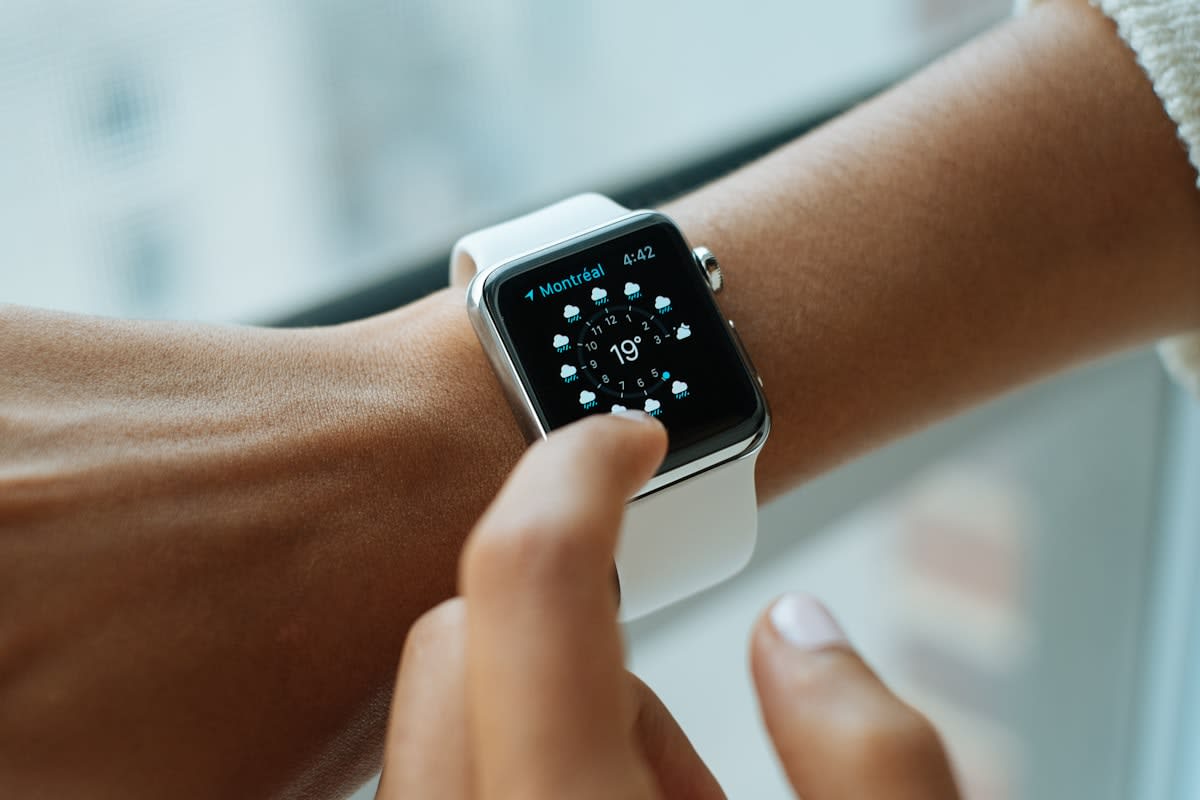
This need for precision in recovery is mirrored in the medical field. For patients with Parkinson's, recovery and symptom tracking are no longer guesswork; tools like the Kneu Health Apple Watch integration provide 24/7 passive measurement of tremors and dyskinesia (Source: HIT Consultant, 2026). If we can track neurological dysfunction with that level of precision, we should apply the same rigor to our cognitive recovery. NSDR is essentially a manual override for your nervous system.
Comparing Recovery Modalities
| Method | Time Required | Primary Benefit | Risk Factor |
|---|---|---|---|
| NSDR | 20 Minutes | Metabolic Brain Reset | Sleep Inertia (if too deep) |
| Light Exercise | 10 Minutes | Immediate Memory Boost (Source: Woman's World, 2026) | Physical Fatigue |
| Power Nap | 20-30 Minutes | Sleep Debt Reduction | Severe Grogginess |
| Targeted Supplements | Daily | Hormonal/Mental Support (Source: Business Insider, 2026) | Dependency/Side Effects |
Integrating these tools is where true resilience is built. You don't choose between NSDR, movement, or nutritional support; you deploy them based on the specific deficit. If you are experiencing the 'brain fog' associated with perimenopause, a combination of the Sera sleep strip (Source: Business Insider, 2026) and a midday NSDR session may be more effective than caffeine. If you are simply feeling a dip in memory recall, a 10-minute walk is the faster lever (Source: Woman's World, 2026).
Common Pitfalls: Why Your NSDR Might Fail
The most common mistake I see is 'efforting' the relaxation. People try to force themselves to relax, which is a paradox—you cannot use effort to achieve a state of non-effort. This often leads to frustration and an increase in cortisol, the exact opposite of the intended effect. If you find yourself fighting for stillness, stop. Return to the physiological sigh. The breath is the only lever you have that directly communicates with the autonomic nervous system.
Another pitfall is the 'all-or-nothing' mentality. Some practitioners believe that if they don't reach a state of total void, the session was a waste. In reality, even a partial shift in nervous system tone provides a cognitive dividend. The goal is a reduction in the 'noise' of the brain, not total silence. Treat it as a calibration, not a destination.
Fact-Check & Accuracy Note
Key claims regarding perimenopause supplements are sourced from Business Insider (2026). Memory boost data is attributed to Woman's World (2026). Neurological monitoring data is sourced from HIT Consultant (2026), referencing University of Oxford research. The risks associated with mindfulness are cited from The Atlantic (2026) and the work of Willoughby Britton. There is an ongoing debate in the field regarding the efficacy of meditation as a relaxation tool versus a cognitive challenge.