All Options Against Iran "On Table", Including Covert Pressure: JD Vance
Source Entity
NDTV News Search Records Found 1000
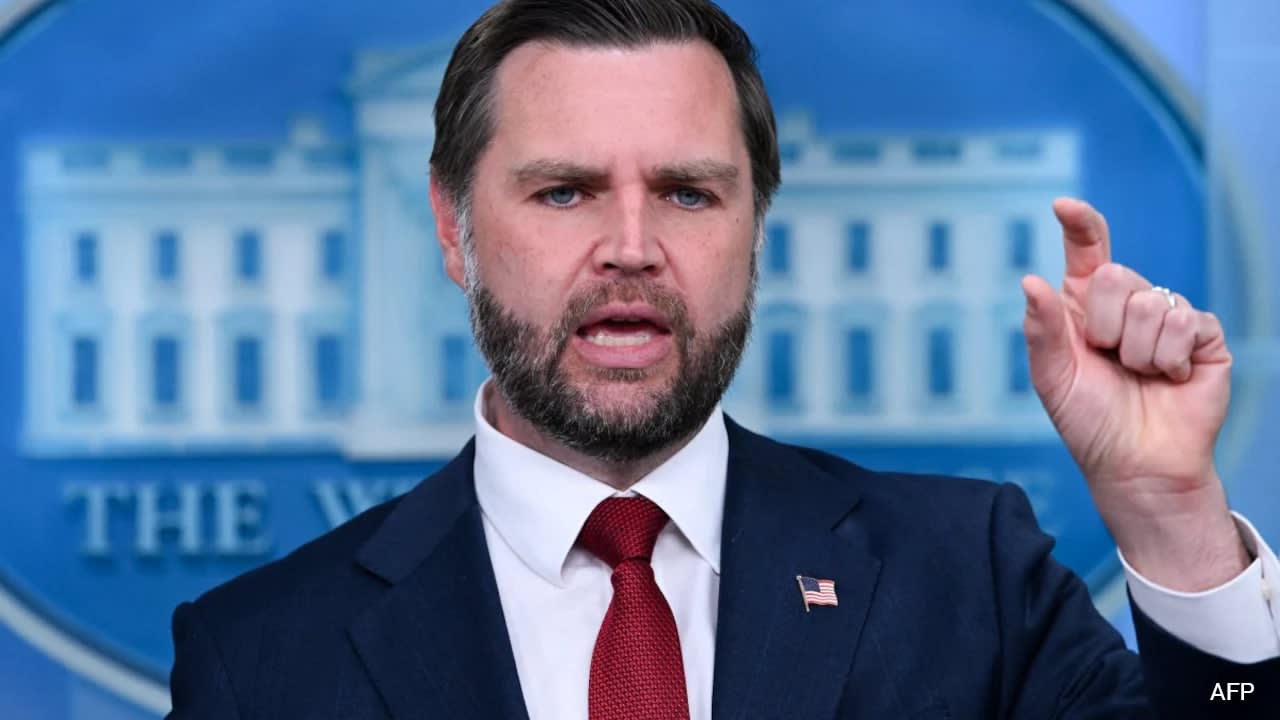
JD Vance has stated that all options, including covert pressure, remain on the table regarding Iran's actions in the Strait of Hormuz. This approach reflects a potential shift in U.S. strategy toward utilizing a diverse toolkit of economic, military, and diplomatic measures.
Strategic Posturing in the Middle East
Senator JD Vance has signaled a robust shift in foreign policy discourse, explicitly stating that all options remain on the table regarding Iran’s ongoing activities in the Strait of Hormuz. By highlighting that covert pressure, alongside traditional economic and military tools, is being considered, Vance underscores a hardening stance within the Republican foreign policy framework. This rhetoric suggests a departure from singular diplomatic pathways, favoring a multi-dimensional approach to address maritime security concerns in one of the world's most critical energy transit corridors.
The Strategic Significance of the Strait of Hormuz
The Strait of Hormuz is a vital chokepoint through which a significant percentage of the world's oil supply passes daily. Vance’s focus on Iran’s targeting of commercial shipping highlights the inherent risks to global economic stability. When commercial vessels are threatened, the ripple effects are felt in global energy markets, leading to increased insurance premiums and supply chain volatility. By framing these actions as a direct provocation, Vance is positioning the potential U.S. response as a necessary defense of international maritime law and economic security.
The 'Toolkit' Approach: Beyond Traditional Diplomacy
The discussion of a 'toolkit'—comprising economic sanctions, military deterrence, and covert operations—reveals a preference for strategic flexibility. Historically, U.S. policy toward Iran has oscillated between containment and engagement. Vance’s emphasis on 'covert pressure' suggests that the next administration may seek to disrupt Iranian capabilities without necessarily triggering a full-scale conventional conflict. This approach is designed to impose costs on Tehran while maintaining the ability to calibrate the level of escalation based on real-time developments.
Evaluating the Implications of Covert Pressure
Integrating covert operations into the public discourse regarding Iran signifies a move toward more asymmetric responses. Covert pressure can range from cyber-operations targeting infrastructure to intelligence-led initiatives aimed at curbing the influence of regional proxies. While these methods offer the advantage of deniability and precision, they also carry the risk of miscalculation. The challenge for any administration will be balancing the need for firm deterrence with the potential for unintended escalation that could destabilize the broader Middle East.
Future Trends in U.S.-Iran Relations
Looking ahead, it is likely that the U.S. will continue to prioritize the security of the Strait of Hormuz as a cornerstone of its regional strategy. Vance’s statements suggest that the 'Trump toolkit' will likely lean heavily on coercive diplomacy. As the international community watches these developments, the future of U.S.-Iran relations appears headed toward a period of heightened friction where the threshold for intervention may be lower than in previous years, specifically concerning the protection of commercial interests and freedom of navigation.
Verification Required?