60-70% questions about post on Home Minister, Home Secretary: Ex-civil servant Ashish Joshi
Source Entity
Alok Singh
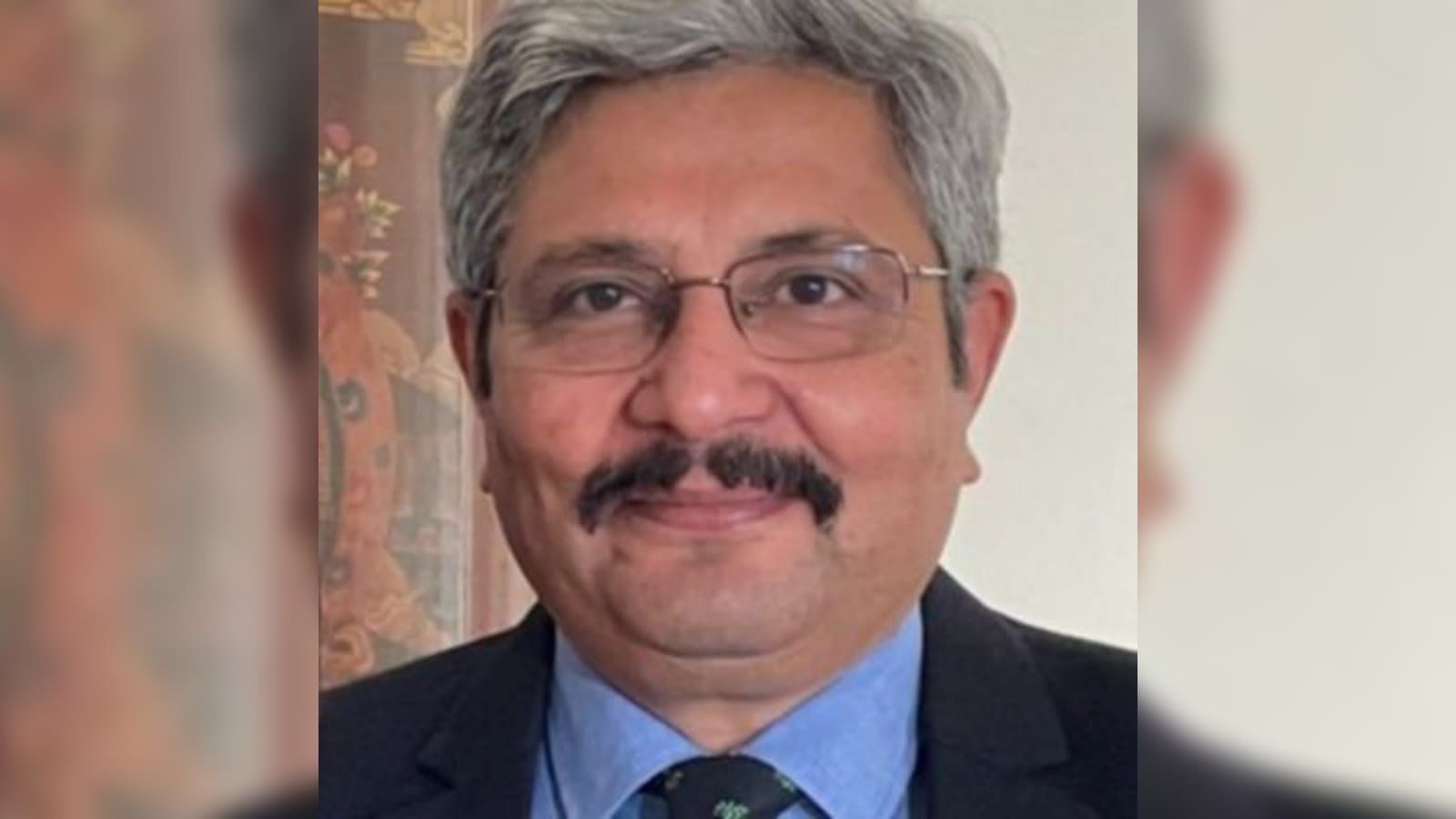
Former civil servant Ashish Joshi was questioned by the Delhi Police for nine hours regarding his social media posts. The inquiry focused on allegations of inciting riots under the BNS, specifically concerning his commentary on government officials.
Scrutiny of Digital Expression: The Ashish Joshi Case
The Sequence of Events
Former civil servant Ashish Joshi recently underwent a nine-hour interrogation by the Delhi Police Special Cell, marking a significant development in the intersection of digital speech and legal oversight. The summons, initially linked to an August 26 post regarding the West Bengal elections, shifted focus during the session. According to Joshi, the majority of the inquiry—estimated at 60-70%—centered on an earlier post from August 12, which alleged a disagreement between the Union Home Minister and the Home Secretary.
Legal Framework and Charges
The Delhi Police initiated this action through their Counter Intelligence (CI) unit, invoking Section 192 of the Bharatiya Nyaya Sanhita (BNS). This section pertains to provocation with the intent or knowledge that such action is likely to cause a riot. By utilizing this specific legal provision, authorities are signaling a broader intent to monitor digital discourse that they perceive as potentially destabilizing or inciting public disorder, particularly when such content involves high-ranking government officials.
The Dynamics of Administrative Accountability
The focus of the investigation highlights the sensitivity surrounding communications regarding top-tier governmental administration. By questioning a former civil servant about his assertions regarding the internal dynamics between the Home Minister and the Home Secretary, the state is asserting its authority to scrutinize information that could impact public trust in governance. This case underscores the fine line between protected individual expression and the state’s mandate to prevent the dissemination of information deemed provocative.
Broader Implications for Digital Discourse
This incident serves as a bellwether for how authorities are navigating the complexities of the digital age. As social media becomes a primary venue for political discourse, the application of the BNS suggests a trend toward stricter regulation of online content that involves state actors. For public officials and former civil servants, this creates a challenging environment where professional insights or speculative commentary on governmental affairs must be carefully balanced against the risk of legal repercussions.
Future Trends and Conclusion
Moving forward, we can expect a continued increase in the monitoring of social media platforms by law enforcement agencies. The use of the BNS to address online speech indicates that the legal system is increasingly being utilized to preemptively mitigate social unrest. The Ashish Joshi case serves as a critical case study in the evolving landscape of digital accountability in India, where the boundaries of free speech are being continually tested by the state’s commitment to maintaining public order through rigorous legal intervention.