Eric Trump mocked after showing off new passport featuring Trump’s face
Source Entity
The Indian Express
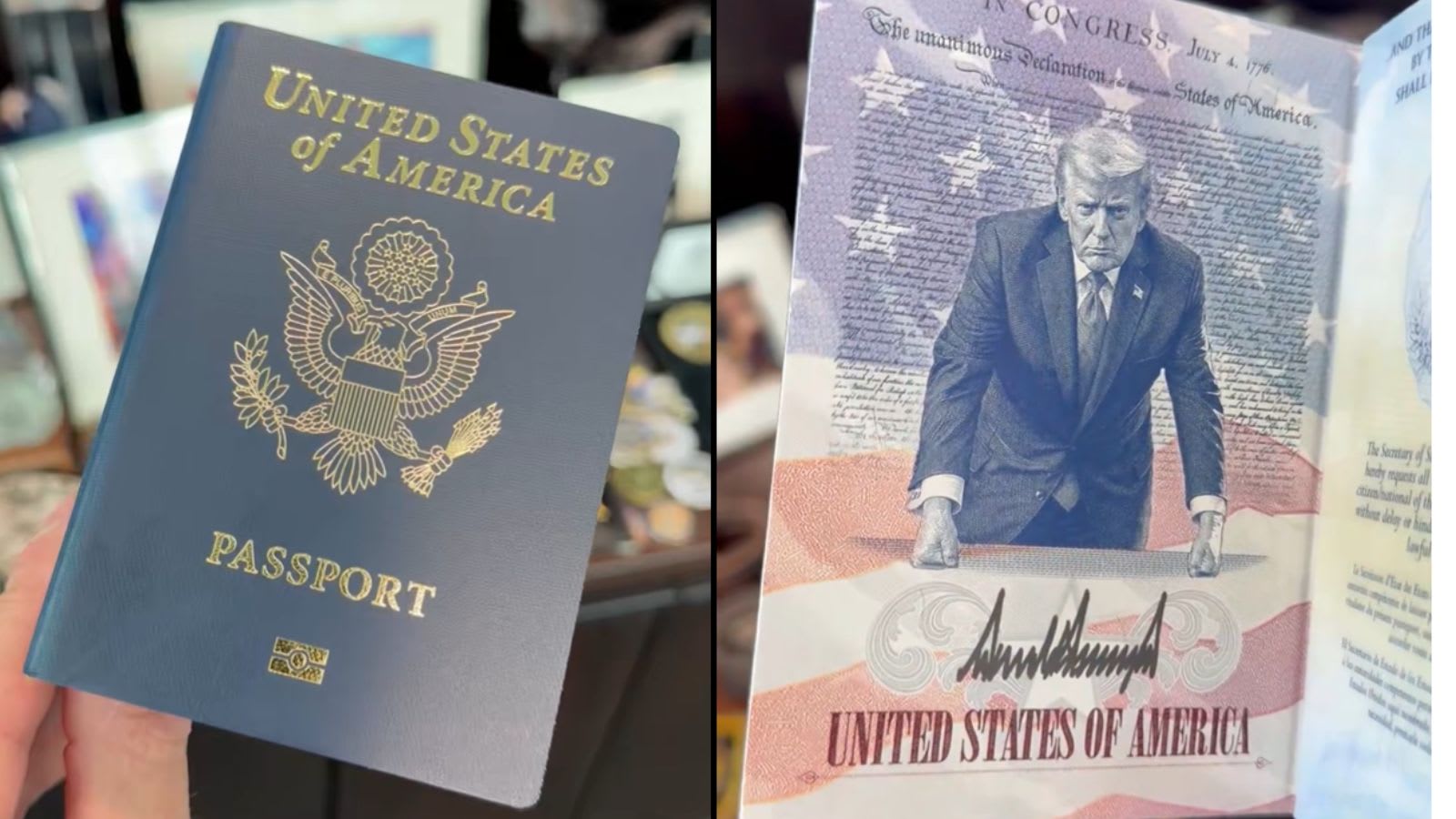
Eric Trump is facing online backlash after sharing a video of a 'patriot passport' featuring his father's image on the cover. The limited-edition item commemorates the US 250th anniversary, though critics have labeled the design a promotion of a cult of personality.
The Controversy of the 'Patriot Passport'
Eric Trump recently drew significant public attention after posting a video on X showcasing a new item he dubbed the "patriot passport." The document, which bears the likeness of his father, former President Donald Trump, on its cover, was presented by Eric as a commemorative item marking the upcoming 250th anniversary of the United States. While marketed as a celebratory artifact, the reveal has sparked an immediate and polarized reaction across social media platforms.
Design and Symbolic Intent
The passport design includes specific aesthetic choices intended to signify patriotic pride, most notably the inclusion of Donald Trump’s signature and a "250" stamp. This stamp is meant to align with the Sestercentennial of the United States, which will be officially celebrated on July 4th. By limiting the production to 250,000 applicants, the organizers appear to be banking on the scarcity of the item to drive interest among the former President's core supporters, framing the document as a collectible rather than an official government travel credential.
Public Reception and Online Backlash
Despite the intended patriotic messaging, the public response has been largely defined by skepticism and mockery. Critics have taken to various platforms to express concern over the blurring lines between political branding and national symbols. The primary criticism centers on the inclusion of a political figure's image on a document modeled after a state-issued passport, with many observers labeling the move as an attempt to foster a "cult of personality" rather than a sincere tribute to the nation's history.
Broader Political Implications
The incident highlights the ongoing tension in American political discourse regarding the personalization of national identity. For supporters, the passport serves as a tangible expression of loyalty to the "America First" movement. For detractors, however, the move represents a departure from traditional norms where political figures remain distinct from the symbolic apparatus of the state. This divide underscores the deep-seated polarization that continues to characterize the political landscape in the United States.
Historical Context and Branding
Historically, the use of imagery and branding in American politics has evolved significantly, but the fusion of a political leader's face onto items mimicking official documents remains a rare and contentious practice. While political memorabilia has always been a staple of campaign culture, the transition toward items that closely resemble government-issued identification marks a notable shift. This strategy reflects a broader trend of leveraging personal branding to maintain visibility and influence within a highly fragmented media environment.
Future Trends in Political Memorabilia
Looking ahead, this episode suggests that political entities will continue to push the boundaries of branding to engage their base. By creating limited-edition, exclusive merchandise that mimics official aesthetics, political organizations can create high-engagement moments that dominate the news cycle. Whether this strategy ultimately strengthens political movements or alienates the broader electorate remains a subject of ongoing debate among political strategists and sociologists alike.