Guru’s baaz, Punjab’s State Bird, rare hawk creates a flutter in poll ring
Source Entity
Divya Goyal
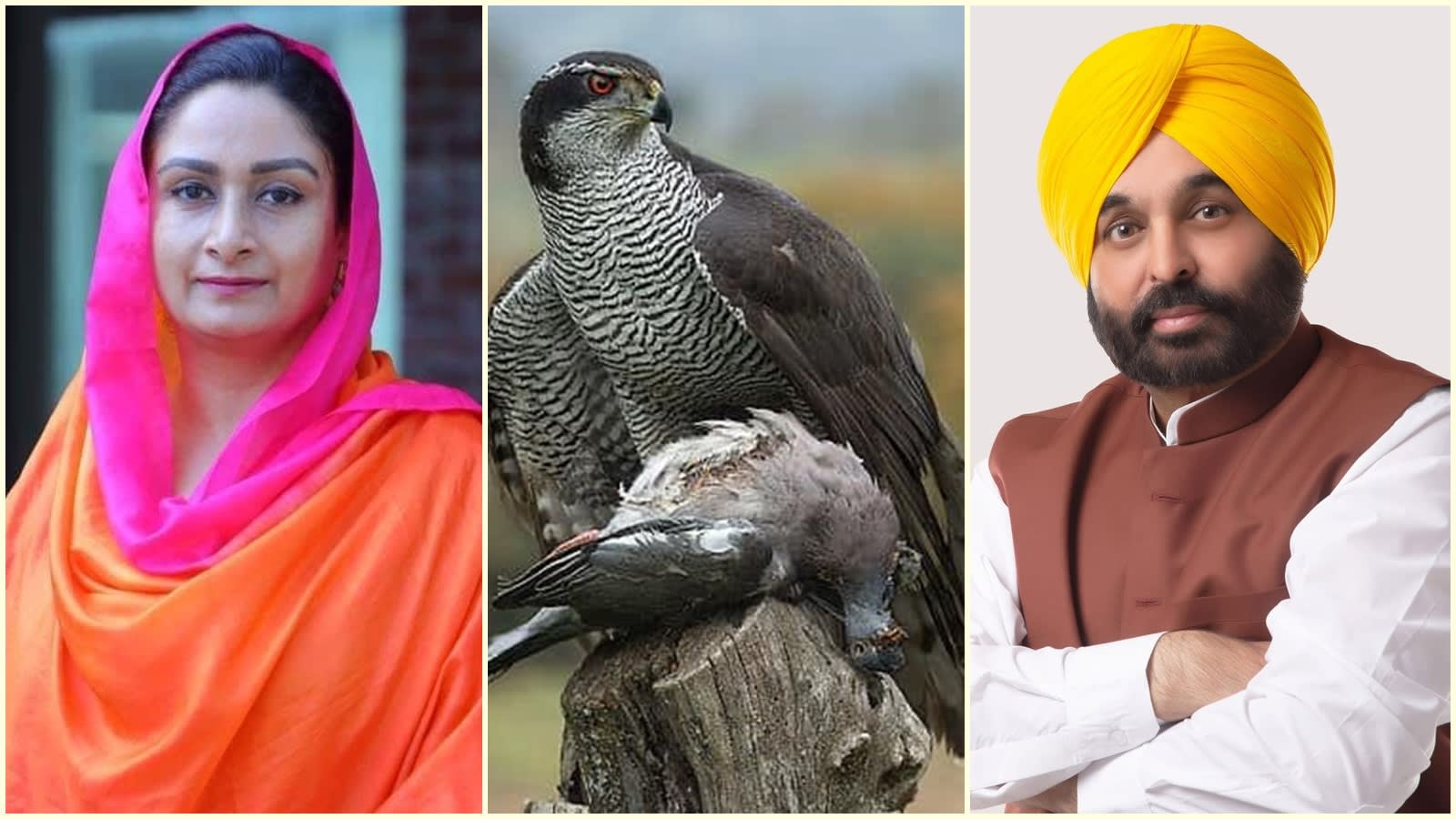
Punjab's state bird, the Northern Goshawk, has become a symbolic focal point in the upcoming Assembly elections. Despite official surveys failing to locate the species in the state since 2018, its cultural significance as a symbol of Guru Gobind Singh has sparked a political narrative.
The Symbolic Significance of the Northern Goshawk
The Northern Goshawk, locally revered as the 'Baaz,' holds a profound position in the cultural and religious fabric of Punjab. Designated as the official State Bird, it is intrinsically linked to the legacy of the tenth Sikh Guru, Guru Gobind Singh. Often referred to as 'Bajanvala,' or the Master of the Hawk, the Guru is historically depicted with this majestic raptor, which serves as a potent symbol of royal authority, spiritual strength, and resilience. This deep-seated veneration ensures that the bird is more than a biological entity; it is an emblem of the state's identity.
The Search for the Elusive Raptor
Despite its elevated status, the presence of the Northern Goshawk within Punjab remains a subject of ecological mystery. Official records indicate that the state government has undertaken two systematic efforts to locate the bird within its boundaries—first in 2018 and most recently in 2025. Both attempts concluded without success, suggesting that the species may be absent from the region or extremely rare. This inability to document the bird highlights a disconnect between the state’s symbolic reverence for the species and the actual state of local biodiversity.
Political Intrigue in the Poll Ring
As the Punjab Assembly elections approach, the absence of the bird in the wild has been contrasted with its sudden 'reappearance' in the political sphere. Reports suggest the bird has been spotted in proximity to key political figures, including Shiromani Akali Dal leader Sukhbir Singh Badal and Chief Minister and Aam Aadmi Party leader Bhagwant Mann. This occurrence has injected a layer of metaphorical theater into the electoral race, as political camps seek to align themselves with the symbolic authority associated with the 'Baaz.'
Implications for the Election Narrative
In the high-stakes environment of the Punjab elections, the 'spotting' of the state bird serves as a powerful, albeit intangible, campaign tool. By centering the narrative on a symbol of Guru Gobind Singh, political leaders are tapping into the historical and religious sentiments of the electorate. The tension between the scientific failure to locate the bird and its reported presence near political leaders underscores how cultural icons are leveraged to gain legitimacy and project strength during volatile political periods.
Future Trends and Cultural Preservation
The ongoing saga of the Northern Goshawk reflects a broader trend where ecological symbols are increasingly intertwined with political legitimacy in India. Moving forward, the state may face pressure to reconcile its conservation efforts with the mythos surrounding the bird. Whether the 'Baaz' is truly present or simply a manifestation of political folklore, its role as a focal point for identity politics is likely to persist as long as it remains the designated state bird of Punjab.
Conclusion
The case of the Northern Goshawk illustrates the complex intersection of faith, state identity, and modern political maneuvering. While the official biological surveys have yielded no results, the bird’s symbolic power remains undiminished. As the election cycle intensifies, the 'Baaz' will likely continue to flutter through the political discourse, serving as a reminder of how deeply historical and religious symbols remain embedded in the democratic processes of the region.