End fast, march to Mumbai: CJP founder tells tribal students, targets PM CARES Fund
Source Entity
ABHILASH BOTEKAR
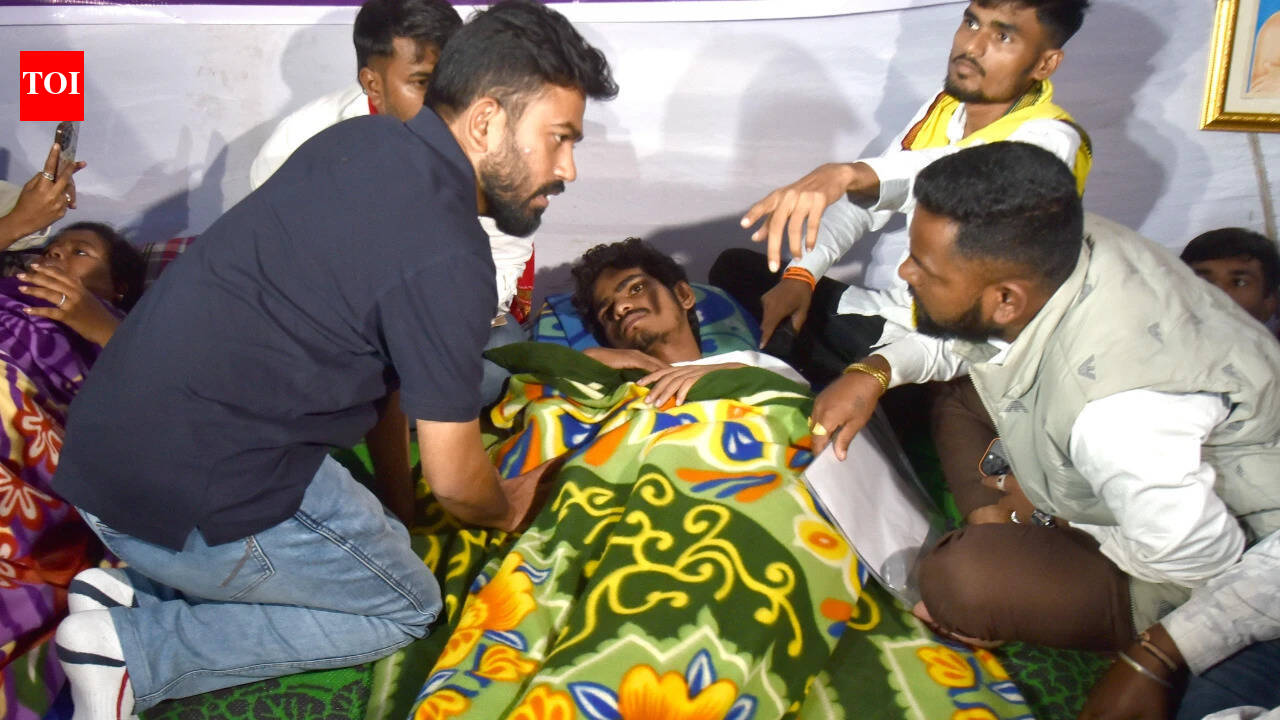
Cockroach Janata Party (CJP) founder Abhijeet Dipke has challenged PM Modi to disclose his educational degrees while asserting his organization's independence. The group, which gained prominence through NEET-UG protests, is now championing tribal students' rights in Nashik.
The Rise of the Cockroach Janata Party: A New Political Pressure Point
The Cockroach Janata Party (CJP), initially established as a satirical political outfit, has transitioned into a significant grassroots pressure group. Founded by Abhijeet Dipke, the organization has moved beyond mere commentary, recently spearheading impactful protests at Jantar Mantar that contributed to the resignation of former Education Minister Dharmendra Pradhan following irregularities in the NEET-UG examination. This shift highlights a growing trend of youth-led movements utilizing public discourse to hold established institutions accountable.
Challenging Transparency and Leadership
In a pointed move, Dipke has publicly challenged Prime Minister Narendra Modi to disclose his educational qualifications, drawing parallels to the scrutiny he himself faced regarding his own credentials. By questioning the Delhi High Court’s stance on keeping such information private, Dipke is tapping into a broader national conversation regarding the transparency of public officials. His rhetoric, which often mirrors the language used by political IT cells, serves as a tactical maneuver to highlight perceived inconsistencies in how political legitimacy is defined and defended.
Navigating Allegations of Partisanship
Abhijeet Dipke has faced consistent accusations of operating as a 'B-team' for established opposition parties like the Congress and the Aam Aadmi Party (AAP). Dipke has countered these claims with characteristic satire, suggesting that these parties should 'decide amongst themselves' who he is aligned with. He maintains that the CJP functions as the 'A-team' of students, positioning the organization as an independent entity dedicated solely to educational advocacy rather than traditional partisan politics.
Advocacy for Tribal Students in Nashik
Beyond national headlines, the CJP has taken up the cause of tribal students in Nashik who are currently protesting for basic amenities such as functional washrooms, improved bedding, and adequate food in hostel facilities. Dipke has actively encouraged these students to escalate their movement by marching to Mumbai to demand government intervention. This grassroots mobilization demonstrates the group's commitment to local, tangible issues affecting marginalized student populations.
Questioning Fiscal Accountability: The PM CARES Fund
As part of his broader critique of government administration, Dipke has raised questions regarding the allocation of the PM CARES Fund, specifically asking why these resources have not been utilized to improve the dire conditions of tribal educational infrastructure. By linking national-level financial oversight to local student grievances, the CJP is attempting to bridge the gap between high-level policy and the daily realities of the demographic they claim to represent.
Future Implications for Student Movements
The trajectory of the CJP suggests a future where satirical and protest-based movements play a more aggressive role in Indian political life. By maintaining a focus on education—ranging from high-stakes national exams to local hostel infrastructure—Dipke is building a platform that resonates with a wide cross-section of the Indian student body. As the CJP continues to challenge the status quo, the tension between such grassroots pressure groups and established political parties is likely to intensify, shaping the landscape of student activism in the coming years.