
The pace of oncology innovation just hit a fever pitch. At ASCO 2026, the industry witnessed a staggering anomaly: three antibody-drug conjugate (ADC) approvals within a single five-day window. This isn't a fluke. It is the result of a calculated industrialization of precision medicine that is moving faster than the regulatory frameworks can often track.
The ADC Supply Chain Crunch
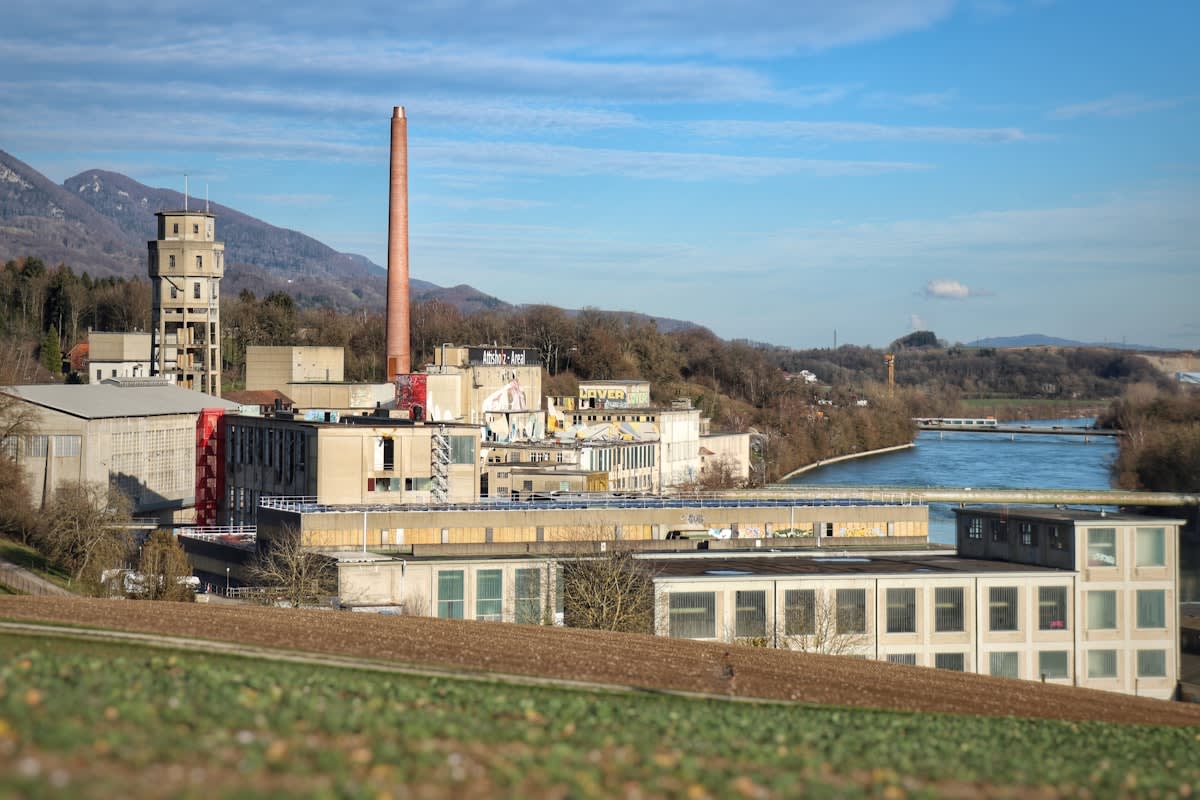
When approvals happen in clusters, the bottleneck moves from the lab to the loading dock. Lonza is already reacting. The global CDMO is expanding its Visp site in Switzerland to aggressively scale payload-linker manufacturing. They aren't just adding a few tanks; they are building commercial-scale capabilities for highly potent active pharmaceutical ingredients (HPAPI) to feed an ADC market that is starving for integrated supply chains.
The So-What?
The ripple effect is immediate. As companies like Daiichi Sankyo push for multiple oncology launches in a single year, the strategic value of a fully integrated ecosystem—where monoclonal antibody manufacture, conjugation, and drug product manufacturing happen under one roof—becomes the only way to survive the launch window.
This industrial surge is mirrored in the US market. EirGenix is currently pushing a dual-track strategy, blending biosimilar development with a flexible CDMO model. They are targeting HER2-positive breast cancer—a segment accounting for 15% to 20% of all breast cancer cases—recognizing that in mature markets, growth comes from platforms, not just single-product gambles.
| Metric | Previous Era (Single-Product) | Current Era (Platform-Based) |
|---|---|---|
| Approval Cadence | Sporadic/Years | Clustered (e.g., 3 in 5 days) |
| Manufacturing Focus | Dedicated Lines | Integrated CDMO Ecosystems |
| Market Strategy | Niche Indication | Dual-Track (Biosimilar + CDMO) |
While the infrastructure scales, the clinical data is providing the fuel. BeOne Medicines recently reported Phase 3 results for BRUKINSA in frontline mantle cell lymphoma. The data is stark: a 43% reduction in the risk of progression or death compared to the bendamustine plus rituximab standard.
"MANGROVE is the first Phase 3 trial to advance a new chemotherapy-free standard in frontline MCL, potentially allowing patients freedom from the burden of years of infusions."— BeOne Medicines Clinical Report
The move toward chemotherapy-free regimens isn't just a clinical win; it is a logistical one. It changes how clinics operate and how drugs are distributed. We are seeing a broader trend toward cellular sophistication, with Nature reporting a surge in T cell receptor-engineered T (TCR-T) cells and CAR-natural killer (CAR-NK) cells, moving far beyond the first CAR-T approvals of 2017.
Even the specialty chemical sector is pruning its hedges to make room for this new order. Ineos Enterprises recently completed the sale of Ineos Calabrian—its ultra-pure sulfur dioxide business with sites in Texas and Ontario—to Ecovyst. This divestment signals a broader corporate realignment where non-core chemical assets are shed to sharpen focus on higher-margin, high-tech pharmaceutical precursors.
The New Oncology Math
- Immediate capacity expansion in Switzerland (Lonza) to meet ADC payload demand.
- Rapid-fire regulatory approvals (3 ADCs in 5 days) creating a 'launch crunch'.
- Clinical transition to chemotherapy-free standards (43% risk reduction in MCL).
- Strategic shift toward dual-track CDMO/Biosimilar models to capture 15-20% of breast cancer markets.
The conclusion is clear: the biotech industry has stopped asking if these therapies work and started asking how they can possibly make enough of them. The battle has moved from the petri dish to the plant manager's office.