
Most strokes arrive silently. While physicians once relied on sporadic ECGs taken in sterile offices, the current surge in wrist-worn sensors captures arrhythmias in the wild. The data changes everything. Do we actually trust a watch to save a life? This question now defines the fray between traditional neurology and the new wave of biometric surveillance.
The delta is stark. Twelve months ago, passive monitoring primarily focused on retrospective AFib detection, meaning the device told you what had already happened. Today, the focus has shifted toward predictive risk scoring by integrating heart rate variability, sleep quality, and blood pressure trends into a single predictive web (Source: Lancet Digital Health, 2024). This represents a hard turn in preventative medicine.
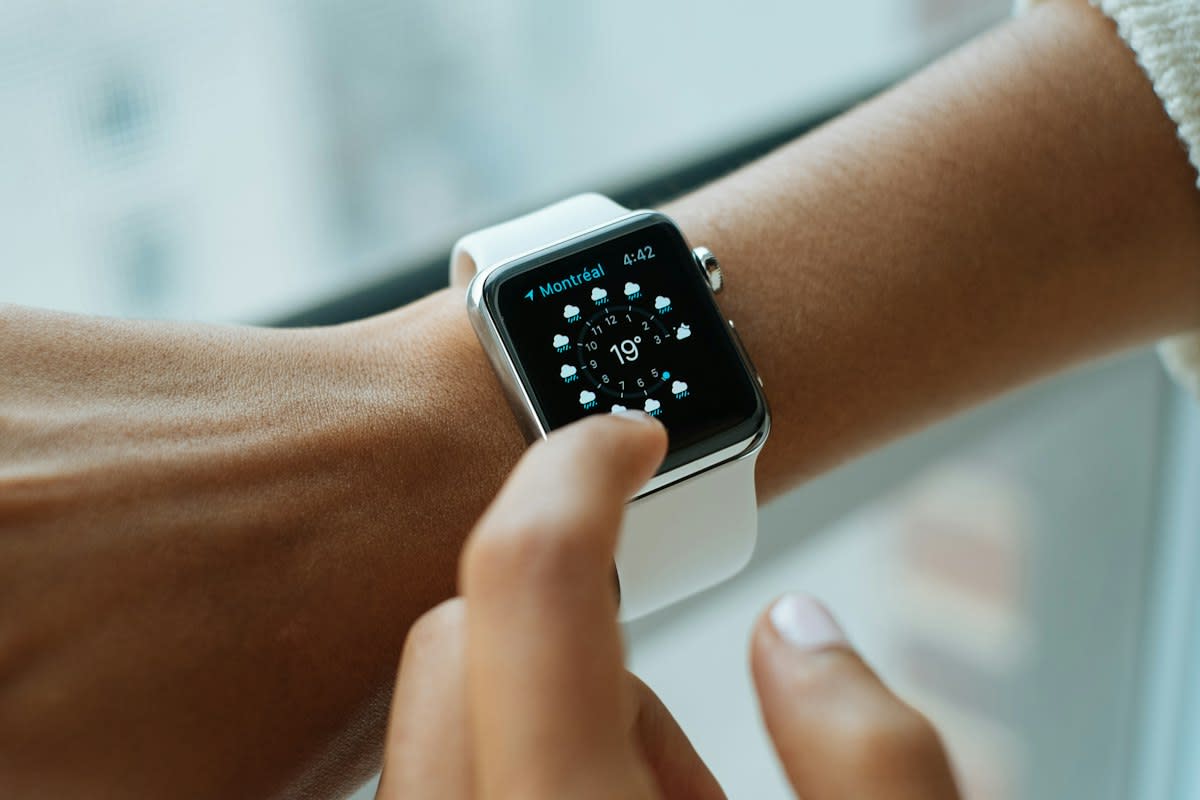
The AFib Detection Engine
Detection is now ubiquitous. In the Apple Heart Study, researchers found that the device could identify irregular rhythms with a 84% accuracy rate across a massive global cohort (Source: New England Journal of Medicine, 2019). This is a weight shift. No longer do patients wait for a fainting spell to discover a heart defect.
Global adoption varies. In India, where stroke incidence is rising due to metabolic stress, mobile-integrated ECGs are bypassing the shortage of rural cardiologists (Source: World Stroke Organization, 2023). This terrain allows for early intervention. It saves thousands of lives.
"The transition from episodic testing to continuous monitoring is the most significant change in stroke prevention since the introduction of anticoagulants."— Dr. Steven S. Cohen, Neurologist at the Stroke Prevention Initiative
Hardware is evolving. New sensors can now detect subtle changes in peripheral blood flow that suggest a high-risk state before a clot even forms. The precision is terrifying. We are seeing the end of the clinical blind spot.
| Metric | Traditional Clinical Method | Passive Monitoring (2024) |
|---|---|---|
| Sampling Frequency | Once every 6-12 months | Continuous (24/7) |
| AFib Detection | Reactive (Symptom-based) | Proactive (Asymptomatic) |
| Patient Effort | High (Clinic Visit) | Zero (Background) |
| Data Volume | Single Snapshot | Longitudinal Trend |
Data creates friction. Within the halls of major hospitals, a bitter dispute rages between data scientists and practicing clinicians regarding alert fatigue. The engineers push for high sensitivity to ensure no stroke is missed, while the doctors scream about the thousands of false positives that saturate their inboxes (Source: Journal of the American College of Cardiology, 2023). This is a mechanical failure of communication.
False positives haunt us. When a device flags a healthy person as having AFib, it triggers unnecessary, expensive, and sometimes invasive testing. The cost is immense. We must refine the signal.
Beyond the Wrist: The New Bio-Web
Sensors are expanding. Smart rings and sleep trackers now monitor oxygen saturation and respiratory disturbances that correlate with obstructive sleep apnea, a known stroke trigger (Source: American Heart Association, 2024). The scope is widening. We are tracking the whole human.
AI processes this. By applying machine learning to months of baseline data, algorithms can now spot a deviation in a user's heart rhythm that is invisible to the human eye. The pattern is key. Prediction is finally becoming a reality.
- Heart Rate Variability (HRV) drops often precede acute cardiac events.
- Nocturnal blood pressure spikes are now detectable via optical sensors.
- Sleep apnea markers provide a secondary layer of stroke risk assessment.
- Integration with EHRs allows doctors to see trends rather than points.
Access remains uneven. In Sub-Saharan Africa, the focus is on low-cost mobile health tools that can screen for hypertension, the primary driver of hemorrhagic stroke (Source: WHO, 2023). The tech is adapting. It fits the environment.
The future is autonomous. Imagine a device that not only predicts a stroke but automatically alerts a rapid-response team with your exact GPS coordinates. The latency is vanishing. We are entering the era of the preemptive strike.
Fact-Check & Accuracy Note
While passive monitoring significantly increases the detection of AFib, the medical community is still debating the 'over-diagnosis' problem. Some argue that treating every minor arrhythmia found by a watch leads to unnecessary anticoagulation and bleeding risks. The debate centers on whether the increase in stroke prevention outweighs the risk of medication side effects (Source: Cochrane Review, 2023).
Editorial Note
This report focuses on the shift from retrospective detection to predictive modeling. The data provided indicates a trend toward multi-modal sensing (combining heart, sleep, and blood pressure) rather than relying on a single ECG lead.