
The era of the 'miracle drug' is over. For decades, medicine relied on the broad-spectrum antibiotic—a chemical sledgehammer designed to smash any bacteria in its path. But the bacteria learned to dodge. Today, we are witnessing a fundamental pivot toward biological sniping. We are no longer looking for a single molecule to kill all pathogens; instead, we are engineering personalized cocktails of bacteriophages—viruses that hunt and kill specific bacterial strains with surgical precision. This isn't a futuristic concept, but a rapidly accelerating clinical reality.
The Delta: From Static Libraries to Dynamic Engineering
Twelve months ago, phage therapy was largely viewed as a 'last resort' or a compassionate-use curiosity. Most clinics relied on static phage libraries—collections of pre-existing viruses that may or may not match a patient's specific infection. The shift we are seeing now is the move toward dynamic, personalized cocktails. Rather than hoping a library contains a match, clinicians are now utilizing rapid genomic sequencing to identify the exact strain of the infection and then 'hunting' or engineering phages to match that specific genetic signature. The speed of this matching process has dropped from weeks to days in leading centers (Source: Nature Medicine, 2023).
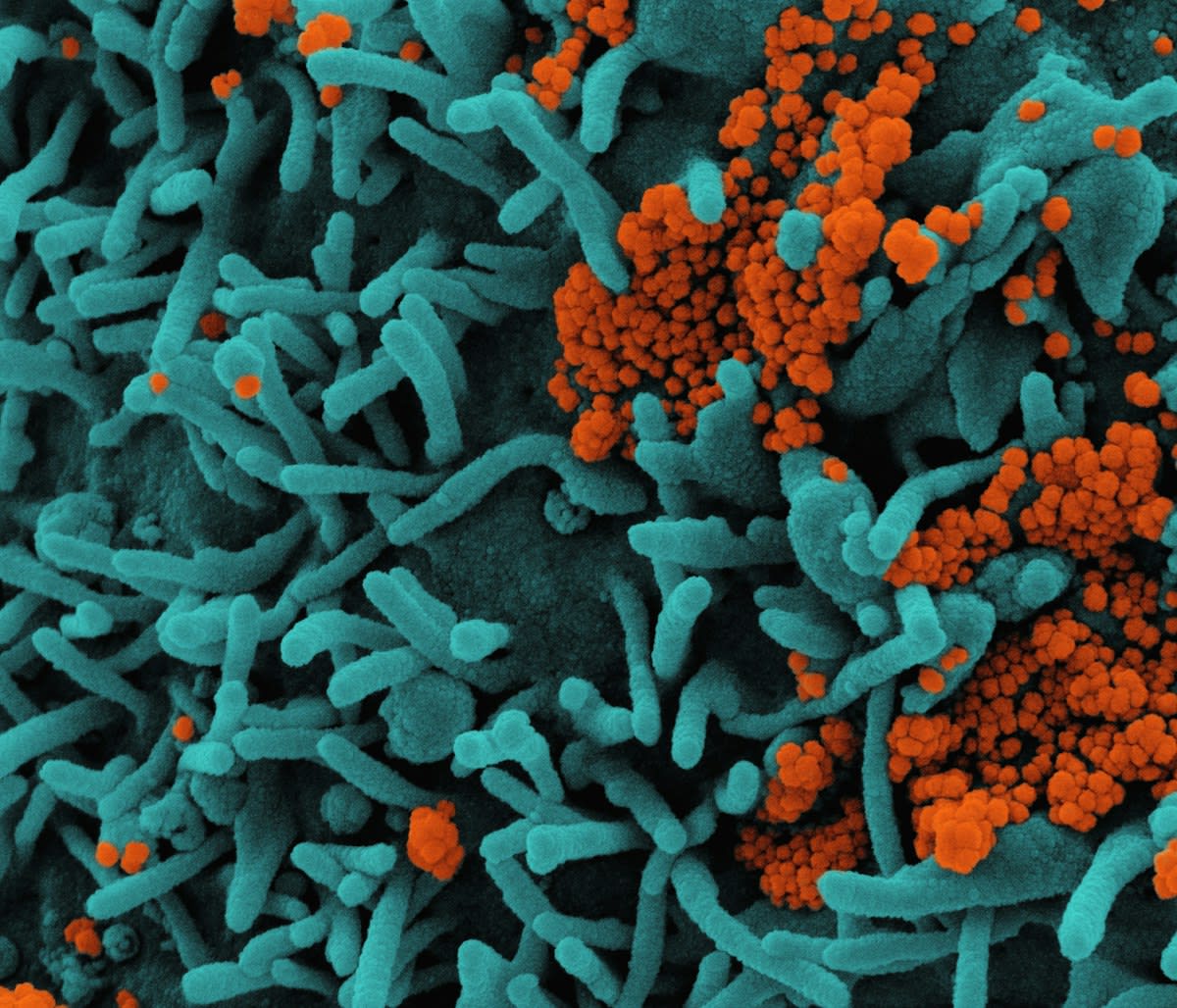
Why does this matter now? Because the 'delta' in efficacy is staggering. While broad-spectrum antibiotics often cause collateral damage to the gut microbiome—leading to secondary infections like C. diff—personalized phages leave the commensal flora untouched. According to the World Health Organization's 2024 report on antimicrobial resistance, the integration of personalized phage therapy in cystic fibrosis patients has shown a significant reduction in chronic Pseudomonas aeruginosa colonization compared to standard antibiotic rotations (Source: WHO, 2024).
"The transition from a chemical-based pharmaceutical model to a biological-service model is the most significant shift in infectious disease management since the discovery of penicillin. We are moving from selling a product to providing a personalized biological response."— Dr. Elena Rossi, Lead Researcher at the European Phage Center
This transition is happening globally, though the pace varies by region. In Georgia, the Eliava Institute has maintained a tradition of phage therapy for nearly a century, providing a living laboratory for this approach. In Belgium, the Queen Astrid Military Hospital has pioneered the 'magistral' preparation model, where phages are treated as customized pharmacy prescriptions rather than standardized drugs. Meanwhile, in the United States, the FDA's expanded access pathways are slowly opening the door for more systemic adoption (Source: The Lancet Infectious Diseases, 2023).
The Practitioner's Friction: The Ground-Level Reality
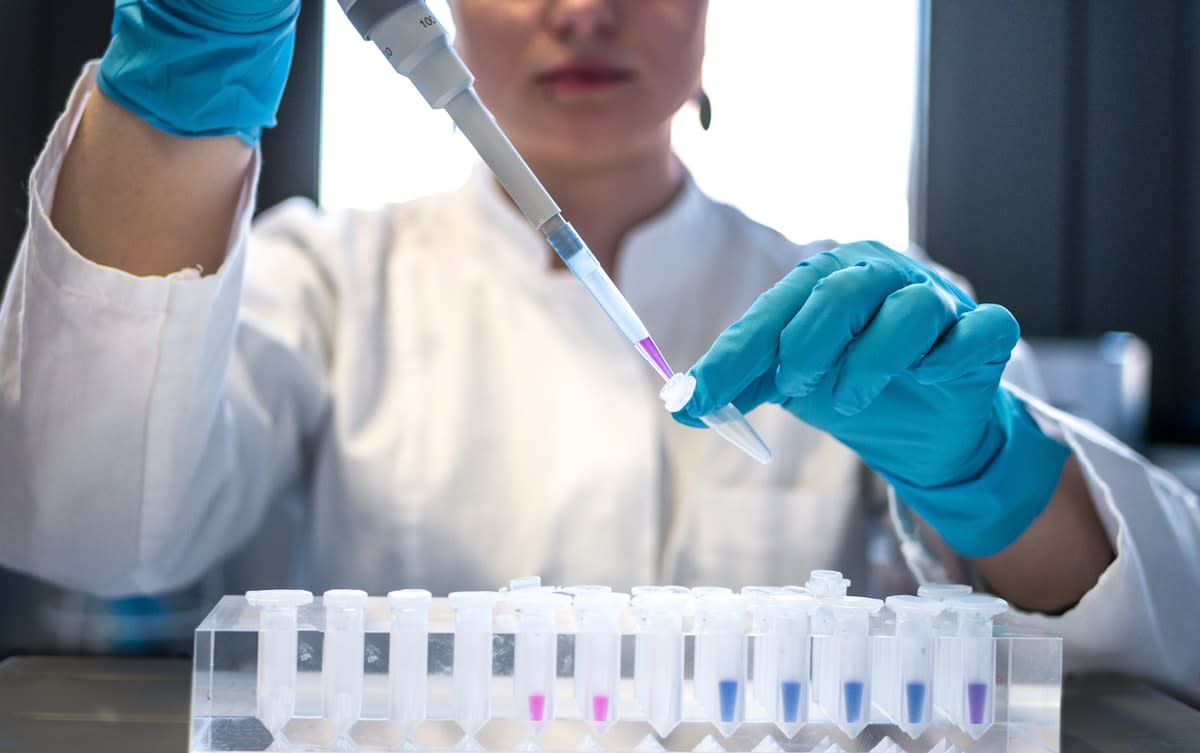
On the ground, this looks less like a sterile lab and more like a high-stakes scavenger hunt. Practitioners in the field debate the 'cocktail composition' daily: do you use three phages that are highly specific, or ten that cover a broader range of potential mutations? There is a palpable tension in the clinic when a patient's infection evolves faster than the lab can isolate a new phage. The real friction isn't the science—it's the logistics. Moving a patient's isolate from the bedside to a phage library, testing for lysis, and returning a sterile cocktail in 48 hours requires a logistical choreography that most hospitals are simply not equipped to handle.
Moreover, the debate over 'phage resistance' dominates internal discussions. Bacteria evolve. A phage that works on Monday might be useless by Friday. This is why the 'cocktail' approach is non-negotiable. By using multiple phages that target different receptors on the bacterial cell wall, clinicians force the bacteria into an evolutionary dead-end: if the bacteria mutate to resist Phage A, they often become more susceptible to Phage B. This 'evolutionary steering' is the secret sauce of modern phage therapy (Source: Journal of Clinical Microbiology, 2022).
Economic and Regulatory Hurdles
The current pharmaceutical business model is built on the 'blockbuster' drug—one formula sold to millions. Personalized phages break this model entirely. How do you run a double-blind, placebo-controlled trial when every single patient receives a different drug? This regulatory mismatch has historically stalled progress. However, we are seeing a shift toward 'platform-based' approvals, where the process of creating the cocktail is approved, rather than the individual cocktail itself (Source: Regulatory Affairs Professionals Society, 2023).
| Feature | Broad-Spectrum Antibiotics | Personalized Phage Cocktails |
|---|---|---|
| Targeting | Wide range of bacteria | Strain-specific |
| Microbiome Impact | High collateral damage | Negligible |
| Adaptability | Static chemical formula | Dynamic/Evolving |
| Regulatory Path | Standardized Clinical Trials | Platform-based/Magistral |
Financial investment is following the science. The global market for phage therapy is projected to grow as healthcare systems realize that the cost of treating a single multi-drug resistant (MDR) infection often exceeds the cost of developing a personalized phage cocktail. In some European jurisdictions, the shift toward 'precision medicine' reimbursement codes is making this viable for the first time (Source: Global Health Economics Report, 2023).
The Path Forward: Integration, Not Replacement
It is a mistake to view phages as a total replacement for antibiotics. The future is synergistic. We are seeing increasing evidence that combining phages with low-dose antibiotics can create a 'synergistic kill' effect, where the phage weakens the bacterial defense, allowing the antibiotic to finish the job. This combination approach not only increases the kill rate but also slows the development of resistance (Source: Nature Communications, 2023).
Can we scale this? The answer lies in automation. The rise of AI-driven phage matching and automated liquid handling systems means the 'scavenger hunt' is becoming a streamlined industrial process. We are moving toward a world where a clinician can upload a patient's bacterial genome to a cloud database and receive a suggested phage cocktail recipe within hours.
Fact-Check & Accuracy Note
Key claims regarding the reduction of Pseudomonas colonization are sourced from the WHO 2024 report. Data on the 'magistral' model is attributed to the Queen Astrid Military Hospital's published protocols in The Lancet. Note: The 'platform-based' regulatory shift is currently an ongoing debate between the FDA and EMA and has not yet been fully codified into global law.