
We have been sold a lie about biological age. The prevailing narrative suggests that we can boil our entire physiological state down to a single number—a 'biological age' that tells us how fast we are decaying. This reductionist approach is not just simplistic; it is clinically misleading. Your liver does not age at the same rate as your kidneys, and your epigenetic clock does not move in lockstep with your cardiovascular system. Why do we insist on a unified score when the human body is a collection of asynchronously aging systems?
The real shift in longevity medicine is moving away from these monolithic clocks and toward precision biomarkers. We are beginning to see that some interventions can move the needle for one organ while leaving others untouched. For instance, recent data on GLP-1 medications like semaglutide shows a fascinating divergence: these drugs can reduce biological age estimates when using clocks that combine organ-specific proteins, yet they show no treatment effect on clocks using non-organ-specific proteins (Source: Chronos BHW, 2026). This suggests that biological aging is not a tide that lifts or lowers all boats, but a series of localized events.
The CHIP Paradox: Prediction vs. Prevention
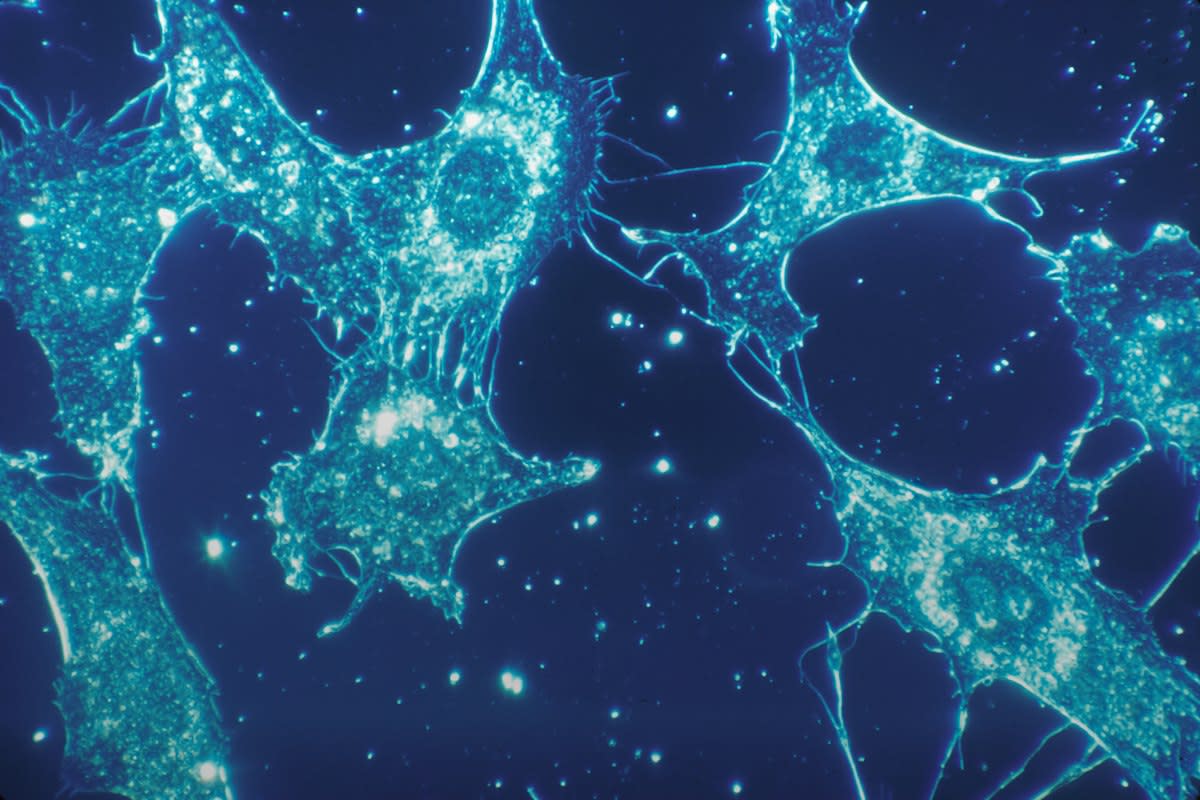
Enter Clonal Hematopoiesis of Indeterminate Potential, or CHIP. For those of us who have spent years tracking the intersection of inflammation and aging, CHIP is the current battleground. It involves the expansion of hematopoietic stem cells with somatic mutations, acting as an emerging biomarker for longevity medicine (Source: Cureus, 2026). But here is the friction: just because we can detect these mutations doesn't mean we know how to stop them. CHIP is not a clinical aging test; it is a signal at the intersection of aging and disease.
"CHIP therefore has several features that could make it relevant to precision approaches to aging. However, its clinical utility will ultimately depend on demonstrating that CHIP-guided interventions can improve healthspan, rather than simply refine risk prediction."— Research Analysis, Cureus (2026)
The internal debate among practitioners is fierce. One camp argues that detecting CHIP early allows for aggressive preventative cardiology and oncology. The other camp, the skeptics, points out that the significance of CHIP varies wildly based on the mutated gene, the size of the clone, and the dynamics of the clonal expansion (Source: Cureus, 2026). We are essentially looking at a map of potential failures without a manual on how to repair the engine. The question is no longer 'Are you aging?' but 'Which specific cellular lineage is failing?'
The Prediction Gap
The core tension in current longevity research is the gap between 'risk prediction' (knowing you might get sick) and 'interventional utility' (having a tool to stop it). Many biomarkers currently only provide the former.
This systemic shift is mirrored in how we view the Cardiovascular-Kidney-Metabolic (CKM) syndrome. Instead of treating heart disease or kidney failure as isolated events, researchers are now looking at them as a coordinated metabolic collapse. Data from the China Health and Retirement Longitudinal Study (2025) highlights how remnant cholesterol can drive the progression of this syndrome (Source: Frontiers in Endocrinology, 2026). It proves that aging is a networked failure. When the metabolic system falters, it drags the heart and kidneys down with it.
| Biomarker Type | Primary Target | Clinical Utility | Current Limitation |
|---|---|---|---|
| Epigenetic Clocks | DNA Methylation | General Biological Age | Lacks organ specificity |
| Proteomic Clocks | Blood Protein Patterns | Organ-specific aging | Requires high-cost analysis |
| CHIP | Hematopoietic Stem Cells | Inflammation/Disease Risk | Unproven interventional benefit |
| CKM Biomarkers | Remnant Cholesterol/Metabolites | Organ-System Synergy | Needs analytical standardization |
From a practitioner's perspective, the 'invisible' friction occurs in the clinic. A patient comes in with a 'biological age' test from a startup that says they are 10 years younger than their chronological age, yet their kidney function is plummeting. This is the danger of the single-number narrative. We see a growing disconnect between the consumer-facing 'longevity score' and the clinical reality of organ failure. The internal debate among doctors is whether these clocks provide actionable data or simply fuel an expensive anxiety industry.
The Path Toward Coordinated Management
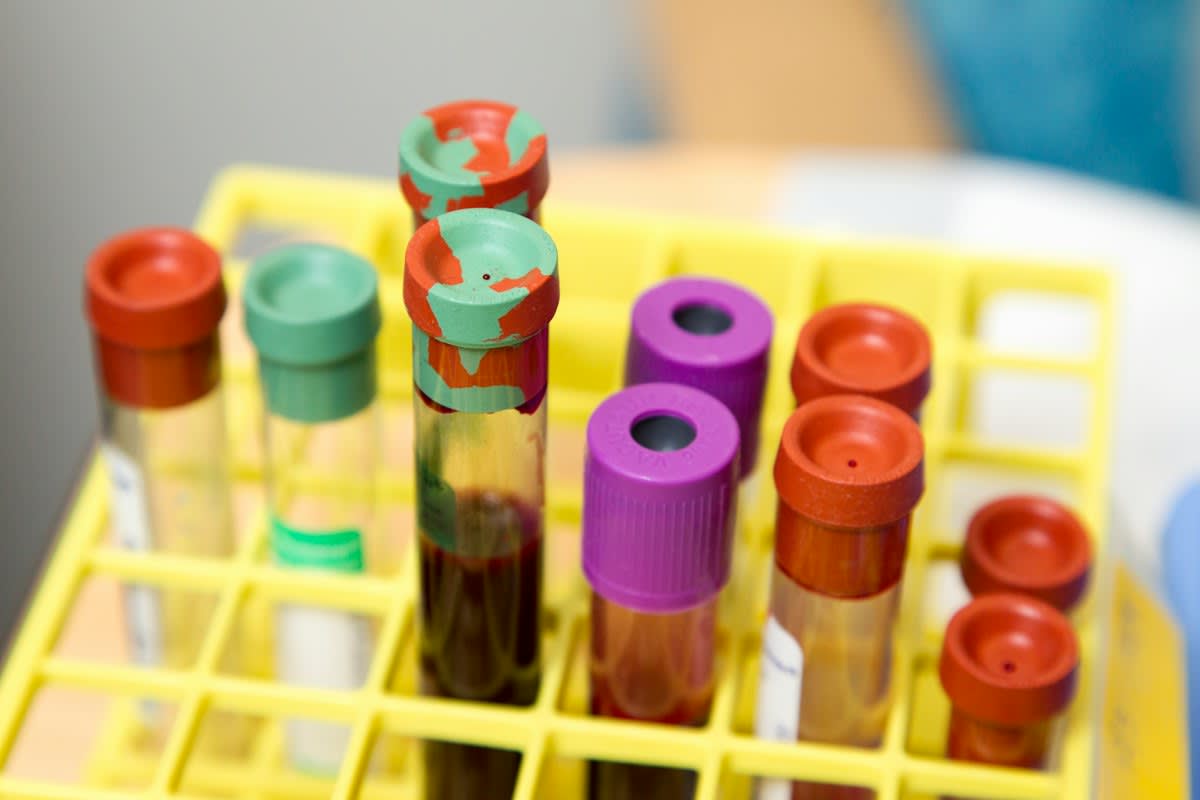
If we want to predict when an organ will age, we must stop looking for a clock and start looking for a trajectory. The most promising strategy involves combining parsimonious biomarker panels with longitudinal clinical data, imaging, and digital measures (Source: Frontiers in Endocrinology, 2026). This isn't about a snapshot; it's about the movie. By tracking how a specific protein pattern changes over five years, we can identify the precise moment a kidney transitions from 'healthy' to 'at-risk' before the creatinine levels even budge.
We also cannot ignore the life-stage triggers that accelerate this process. For example, postpartum recovery is now being scrutinized as a critical window that may influence long-term maternal aging and health (Source: News-Medical, 2026). This indicates that biological aging is punctuated by events—trauma, pregnancy, chronic stress—that can 'age' certain systems faster than others. It reinforces the idea that aging is not a steady slope, but a series of steps.
- Analytical Standardization: Biomarkers must be consistent across different global labs to be useful.
- Prospective External Validation: We need to prove that a 'young' biomarker score actually correlates with a longer healthspan.
- Incremental Clinical Net Benefit: The use of a biomarker must actually change the treatment decision to be valuable (Source: Frontiers in Endocrinology, 2026).
- Organ-Specific Proteomics: Moving toward proteins that reflect the health of the heart, liver, and brain independently.
Will we ever be able to predict the 'exact' date an organ fails? Likely not. Biology is too stochastic for that. However, we can move from blind guessing to probabilistic forecasting. By integrating data from the CKM syndrome's metabolic markers and the epigenetic shifts found in maternal health studies, we can create a risk profile that is actually useful. The goal isn't to predict the end, but to extend the period of high-functioning resilience.
Fact-Check & Accuracy Note
Key claims regarding CHIP, GLP-1 organ-specific effects, and CKM syndrome are sourced from Cureus, Chronos BHW, and Frontiers in Endocrinology (2025-2026). The debate over whether 'biological age' is a valid clinical metric remains an area of ongoing scientific contention.
The future of aging is not a single number on a PDF report. It is a dashboard of organ-specific trajectories. When we stop chasing the myth of a unified biological age, we can finally start treating the body as the complex, asynchronous system it actually is. The opportunity here is not in predicting death, but in optimizing the specific systems that keep us alive and vibrant.