Best of Both Sides on protests across Europe: A post-War promise unfulfilled
Source Entity
The Indian Express
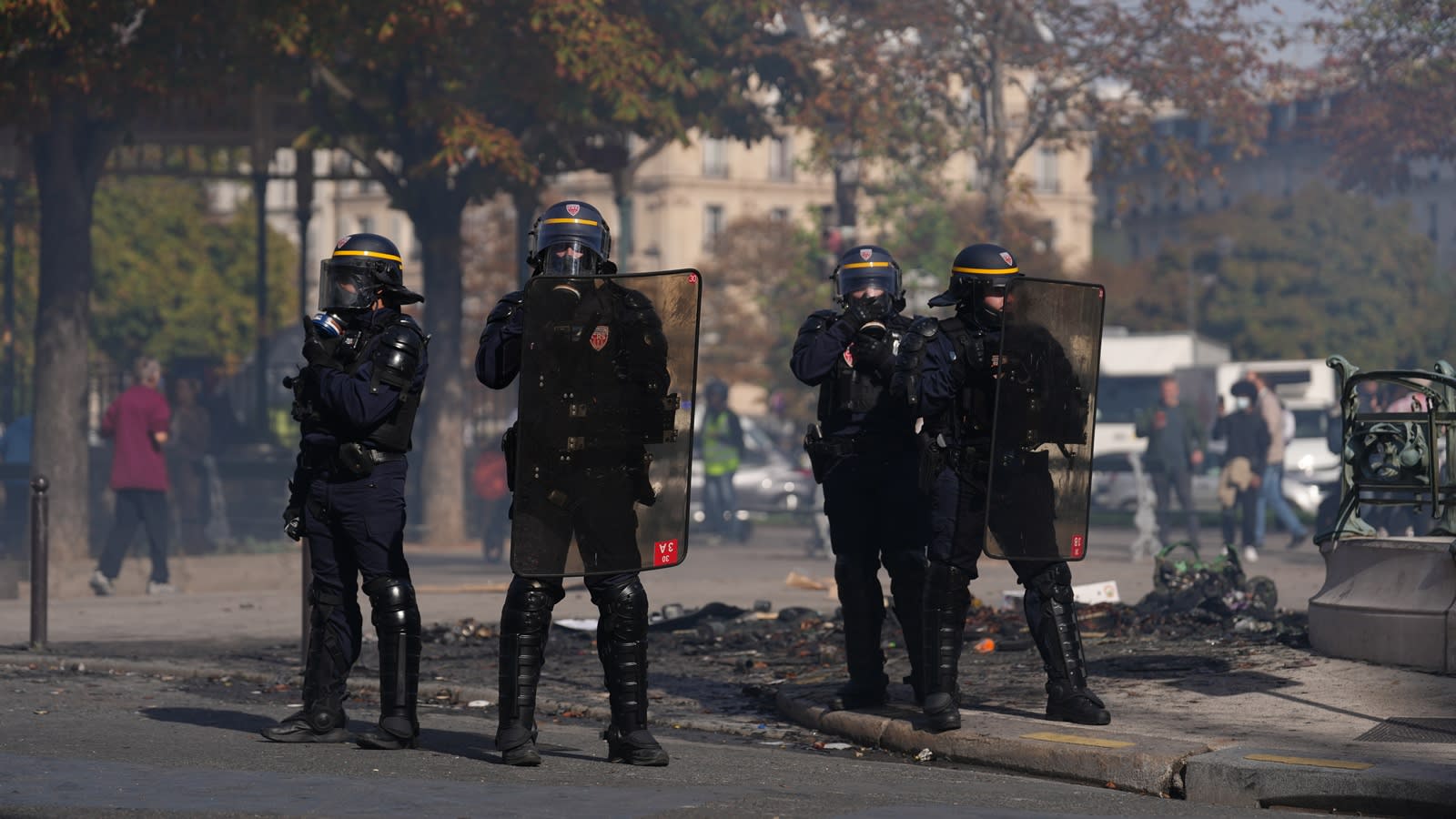
Recent protests across France, Spain, Belgium, and Albania signal a widespread European movement driven by systemic failures in public services and economic stability. These disparate demonstrations reflect a collective frustration with the unfulfilled promises of the post-war social contract.
The Unraveling of the Post-War European Promise
The recent wave of civil unrest sweeping across Europe serves as a potent reminder that the continent’s post-war social contract is under severe strain. From the suburban schools of France to the rental markets of Spain, citizens are expressing a profound sense of disillusionment. While these protests appear localized, they represent a broader systemic failure to provide the basic quality of life—education, affordable housing, and democratic stability—that has defined European prosperity for decades.
Local Grievances, Global Discontent
The demonstrations began with localized frustrations, such as the poor quality of state-funded education in French suburbs. However, these issues quickly metastasized into a pan-European phenomenon. In Spain, the crisis of housing affordability has reached a breaking point, forcing Prime Minister Pedro Sánchez to trigger an early general election. Similarly, in Belgium, systemic failures within the Francophone education system have ignited public outrage, proving that the struggle for equitable public services is no longer confined to national borders.
The Geopolitical Ripple Effect
The unrest has not been limited to established EU member states. In Albania, violent protests have surfaced, specifically challenging the nation's pathway toward European Union integration. This suggests that the promise of EU membership, often seen as a panacea for internal governance issues, is being questioned by citizens who are skeptical of whether such institutions can truly address their immediate, lived realities or if the accession process masks deeper structural deficiencies.
Analyzing the Common Threads
While the specific triggers in France, Spain, Belgium, and Albania differ, the common thread is a loss of faith in the state's ability to deliver. Post-war Europe was built on the premise that the state would act as the primary guarantor of social mobility and economic security. When educational systems fail to equip the youth and housing markets exclude the working class, the foundational promise of the post-war era is effectively rendered unfulfilled.
Future Trends and Institutional Challenges
Looking ahead, European governments face a difficult balancing act. If these protests continue to escalate, we may see a shift toward more radical political movements that capitalize on this widespread dissatisfaction. The challenge for policymakers will be to move beyond reactive measures and address the root causes of these grievances. Without significant structural reform, the European project risks facing further fragmentation as citizens increasingly prioritize local survival over institutional stability.