Marco Rubio’s visit: Catalyst for a new era of diplomacy
Source Entity
Latest News: Todays Latest News Headlines from India & World | Hindustan Times | Hindustan Times
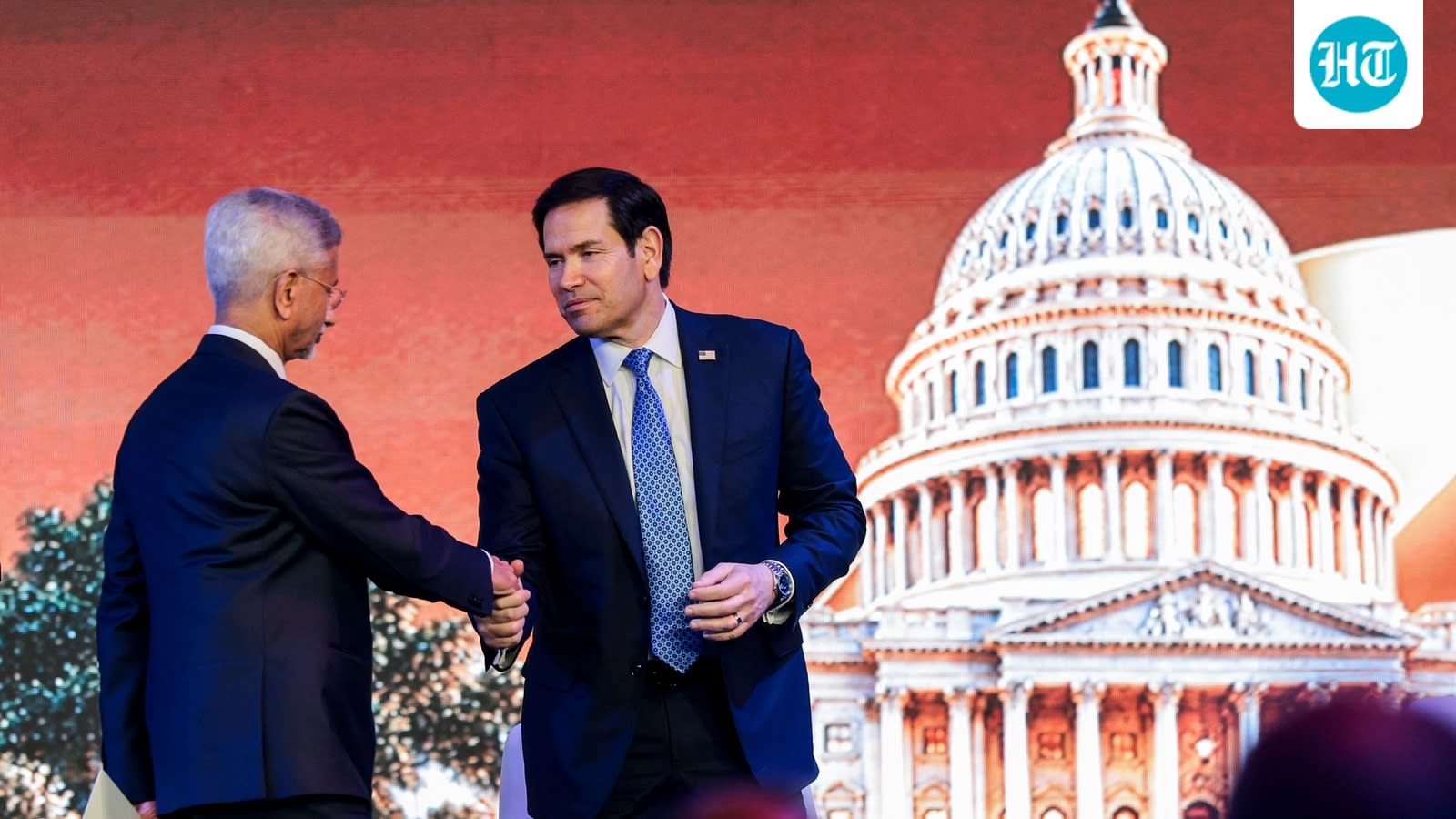
US Secretary of State Marco Rubio’s strategic visit to Mumbai and Jamnagar signals a pragmatic shift in US-India relations. The focus on energy security and economic assets highlights a move toward a more transactional, results-oriented diplomatic framework.
A Strategic Pivot in US-India Relations
US Secretary of State Marco Rubio’s recent three-day visit to India, specifically bypassing the traditional diplomatic hub of Delhi in favor of Mumbai and Jamnagar, marks a significant departure from conventional statecraft. By focusing on industrial and economic power centers, the visit underscores a shift in Washington’s approach to New Delhi—transitioning from a relationship defined by abstract diplomatic courtship to one centered on tangible economic and energy assets. This pragmatic realignment occurs against a backdrop of unexpected turbulence in bilateral ties during President Donald Trump’s second term, signaling an urgent attempt to stabilize and reboot the partnership.
The Power of a Dual-Role Diplomat
Rubio’s influence is underscored by his unique concentration of power, serving simultaneously as Secretary of State and National Security Adviser. This dual authority, reminiscent of the influence wielded by Henry Kissinger in the 1970s, suggests that the US is prioritizing high-level, streamlined decision-making. For India, engaging with a figure who holds both diplomatic and security portfolios is a prudent long-term investment, especially given Rubio’s historical support for closer US-India ties and his potential candidacy for the Republican presidential nomination in 2028.
Jamnagar: The Heart of Energy Diplomacy
The selection of the Jamnagar refinery complex as a focal point of the visit is highly symbolic and strategic. As the site capable of processing hard Venezuelan crude, the Reliance refinery has become a critical node in global energy security. This visit occurred as Washington looks to fast-track economic cooperation, particularly in light of President Trump’s stated goals of reviving domestic US industry. The potential involvement of Reliance in Trump’s $300 billion US refinery initiative further emphasizes that the US now views India through a lens of economic utility and industrial synergy.
Navigating Geopolitical Turbulence
The urgency behind this visit is not merely economic but deeply rooted in regional security. Reports indicate that the trip was preceded by intensive planning ahead of expected foreign policy actions, such as resumed strikes on Iran following the mid-term elections in early November. By engaging directly with India’s private sector leadership, Rubio is bypassing traditional bureaucratic bottlenecks to align the two nations on critical energy and digital infrastructure fronts before the geopolitical landscape shifts further.
Future Trends and Diplomatic Reboot
Looking ahead, the success of this visit will likely be measured by the conclusion of long-pending trade deals and the solidification of energy partnerships. Delhi’s prompt appreciation of this new, asset-focused format demonstrates a sophisticated understanding of the current US administration’s priorities. If this pragmatic framework holds, the remaining two years of the Trump administration may see a transition toward a more robust, transactional, and resilient US-India partnership that prioritizes industrial outcomes over traditional diplomatic protocols.
Multiple Citing Sources
Verification Required?