MBS' Yemeni proxy's lie on Houthi damage exposed, US diplomats flee Saudi?
Source Entity
Latest News: Todays Latest News Headlines from India & World | Hindustan Times | Hindustan Times
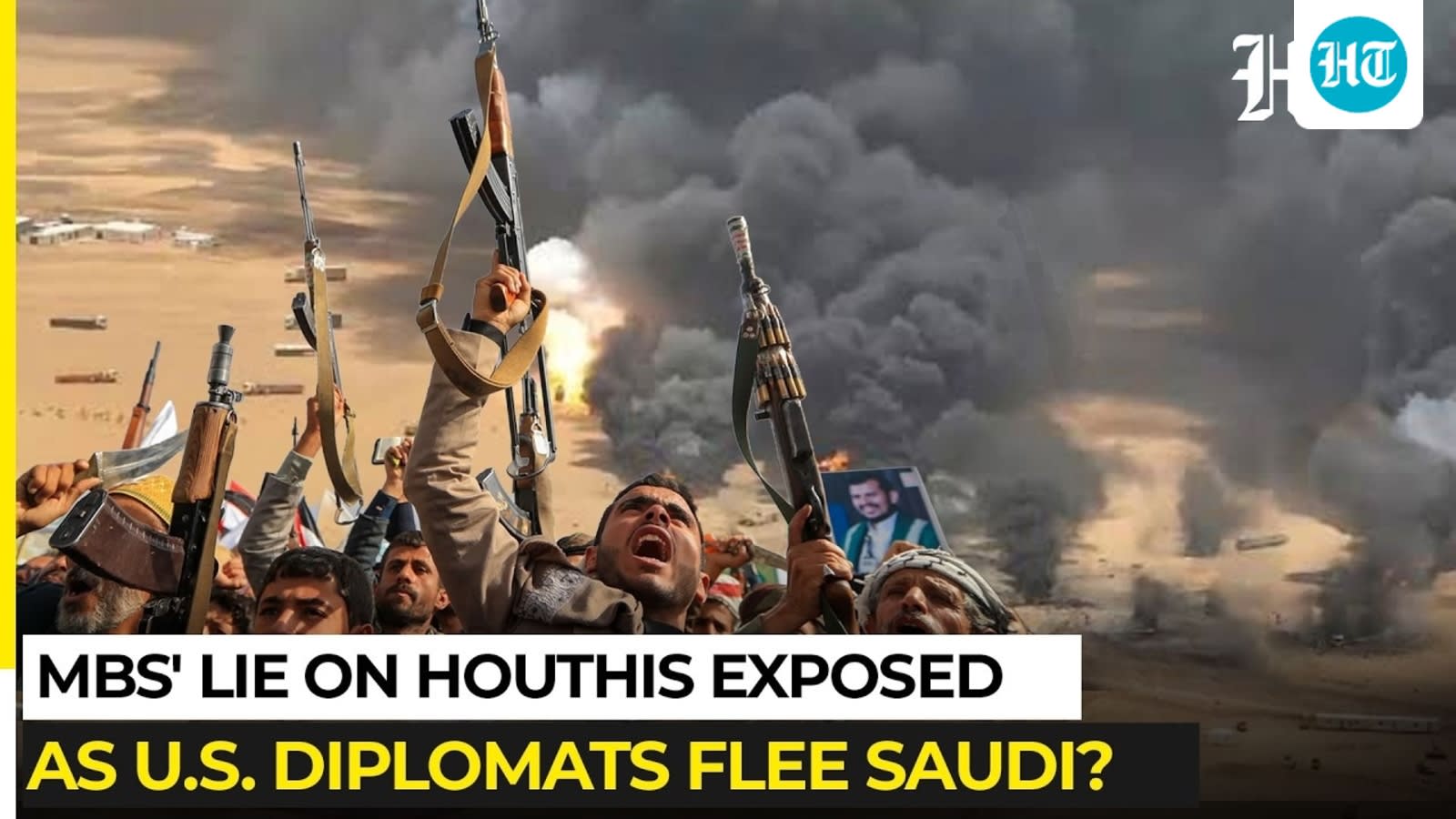
The U.S. State Department has ordered non-emergency embassy staff and their families to depart Saudi Arabia and several other Gulf nations due to intensifying security threats. This directive follows a surge in Houthi attacks and broader regional instability linked to Iran-backed forces.
U.S. Diplomatic Withdrawal Amid Regional Escalation
The Security Mandate
The U.S. State Department has issued a formal order requiring non-emergency government employees and their families to evacuate from the U.S. Embassy in Saudi Arabia. This decision, confirmed by spokesman Tommy Pigott, reflects a significant shift in the U.S. diplomatic posture within the Gulf region. The directive has been extended to include the families of embassy staff stationed in the United Arab Emirates, Jordan, Qatar, and Bahrain, underscoring the widespread nature of the perceived threat environment.
Contextualizing the Houthi Threat
The primary driver of this evacuation is the sustained, near-daily military engagement involving Iran-backed Houthi forces. Saudi Arabia has faced persistent attacks, prompting the U.S. to prioritize the safety of its personnel over diplomatic continuity. These strikes are not isolated incidents but part of a broader, intensified campaign that has forced the U.S. government to reassess the vulnerability of its diplomatic outposts across the Middle East.
Military Operations and Verification Challenges
Simultaneously, the region is witnessing high-intensity kinetic warfare, exemplified by the Saudi-backed 'Operation Dawn of Yemen.' While forces linked to the Saudi-led coalition reported the deaths of 285 Houthi fighters and the destruction of significant military assets—including 190 vehicles and drones—the lack of independent verification casts doubt on the total impact of these operations. This opacity in reporting complicates the regional security narrative, as claims of military success clash with the reality of forced diplomatic evacuations.
Regional Instability and Iranian Influence
The scope of the U.S. order, covering multiple nations, suggests that Washington views these attacks as a coordinated regional challenge linked to Iranian interests. By ordering the departure of families from countries like Qatar and Bahrain, the U.S. is signaling that it considers the entire theater of operations to be at an elevated risk of spillover from the ongoing Middle East war.
Strategic Implications
The withdrawal of non-essential personnel is a tactical move to mitigate risks, but it also signals a potential cooling of diplomatic visibility in the region. As the U.S. reduces its civilian footprint, the focus shifts toward managing the fallout of the Houthi insurgency and the broader regional tensions. The inability to independently verify the success of counter-offensives like 'Operation Dawn of Yemen' suggests that military solutions are currently failing to stabilize the security environment sufficiently to allow for a safe diplomatic presence.
Future Outlook
Looking ahead, the stability of the Gulf region remains precarious. The reliance on military force, as seen in the extensive targeting operations in Marib and Taiz, appears to be fueling a cycle of escalation rather than de-escalation. The U.S. decision to pull back staff indicates that Washington is preparing for a prolonged period of insecurity, where the threat of Houthi-led or Iranian-affiliated strikes remains a constant variable in regional diplomacy.
Multiple Citing Sources
Verification Required?