Keralam: Bilaspur–Tirunelveli Express Locomotive Derails After Landslide Near Parassala | #shorts
Source Entity
Latest News: Todays Latest News Headlines from India & World | Hindustan Times | Hindustan Times
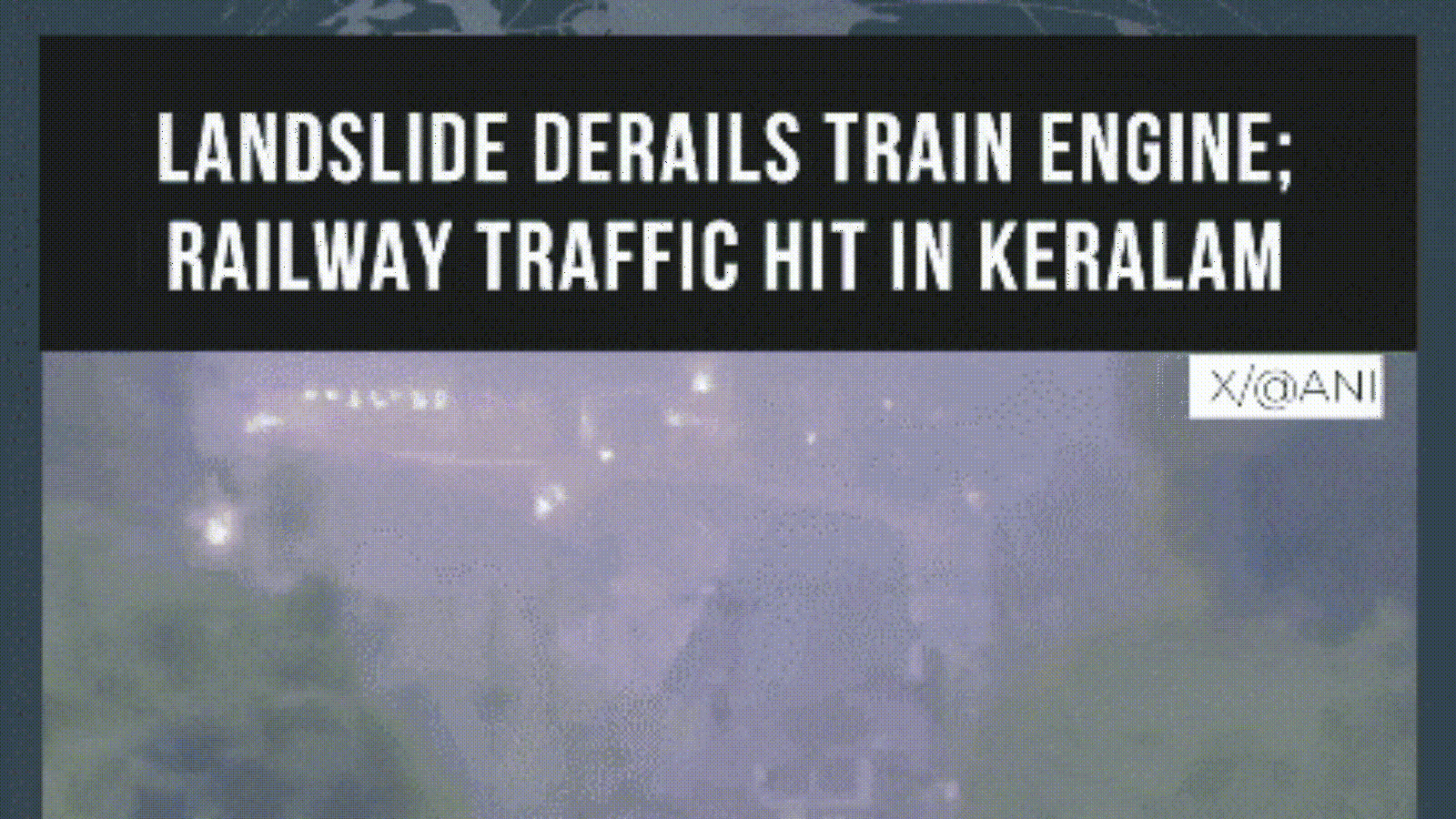
A landslide near Parassala Railway Station in Kerala caused the locomotive of the Bilaspur–Tirunelveli Express to derail. The incident has halted local rail operations and highlighted growing concerns regarding railway infrastructure safety during monsoon conditions.
Derailment of Bilaspur–Tirunelveli Express: An Analysis
Incident Overview
The recent derailment of the Bilaspur–Tirunelveli Express locomotive near Parassala Railway Station in Kerala’s Thiruvananthapuram district marks a significant disruption to regional transit. The incident, triggered by a landslide, highlights the acute vulnerability of rail infrastructure in regions prone to extreme weather events. While the locomotive was the primary unit affected, the resulting blockage has forced a temporary suspension of rail operations, necessitating a comprehensive assessment of the tracks.
Geological Vulnerability and Infrastructure
Kerala’s geography, characterized by its proximity to the Western Ghats, makes it particularly susceptible to landslides, especially during periods of heavy rainfall. The Parassala region, while not always the primary focus of such reports, shares the topographical challenges common to the state. This incident underscores the critical need for geological surveying and the implementation of advanced landslide-detection systems along high-risk rail corridors to prevent similar occurrences in the future.
Railway Safety Protocols
Railway safety in India is a multifaceted challenge that involves constant monitoring of tracks and embankments. The derailment serves as a stark reminder of the limitations of passive infrastructure when confronted with rapid environmental shifts. As the focus shifts to clearing the tracks, authorities will likely conduct a thorough investigation into the structural integrity of the affected area to ensure that subsequent train movements can resume without the risk of further instability.
Broader Implications for Rail Transit
Beyond the immediate operational delay, this incident prompts a broader discussion on the resilience of India's transport network. As climate patterns become increasingly unpredictable, the integration of real-time weather monitoring with rail traffic management is becoming essential. The Bilaspur–Tirunelveli Express is a vital long-distance link, and any disruption to its route ripples across the regional network, affecting both commuter schedules and long-haul logistical chains.
Future Trends and Mitigation
Moving forward, the incident near Parassala will likely catalyze a policy review regarding the fortification of rail tracks in landslide-prone zones. Experts anticipate that the Ministry of Railways will look toward implementing more robust retaining walls, improved drainage systems to mitigate soil saturation, and potentially automated signaling systems that trigger stops when ground movement is detected. Prioritizing these investments is crucial for maintaining public trust and passenger safety in an era of environmental volatility.
Verification Required?