
The medical world is currently operating in two different centuries. In one, we are decoding the cerebrospinal fluid of glioblastoma patients to avoid invasive brain surgery. In the other, we are struggling to convince rural adults to visit a doctor for a basic screening. This June, the delta between our technical capability and our operational delivery has never been more glaring.
The Liquid Intelligence Era
On June 30, 2026, the National Comprehensive Cancer Network (NCCN) updated its guidelines for Central Nervous System Cancers, officially expanding the role of cerebrospinal fluid (CSF)-based molecular profiling. This is a critical win for patients with inoperable high-grade gliomas where tissue biopsies are too risky. Genomic Testing Cooperative (GTC) is already capitalizing on this with Liquid Trace, which integrates cfDNA and RNA analysis.
"The NCCN update reinforces what clinicians and researchers have recognized: CSF can be an essential source of molecular information for patients with central nervous system tumors."— Maher Albitar, MD, CEO and CMO of GTC
Simultaneously, the bottleneck of rare disease diagnosis is being attacked by automation. A new open-source tool called Talos, highlighted in Nature on June 29, enables the automated reanalysis of genomic data at scale. The stakes are high: a systematic review of 29 reanalysis studies showed an overall diagnostic yield of 10% for patients who previously had no answers.
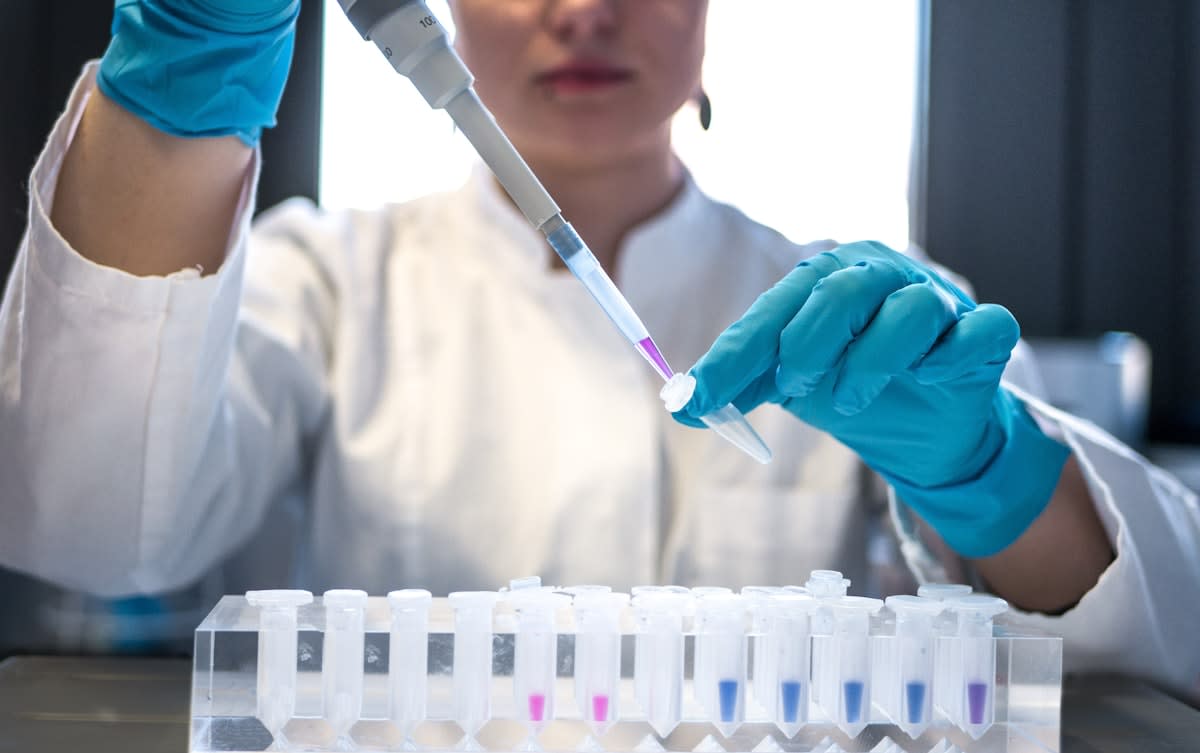
But these molecular victories exist in a vacuum if the patient cannot access the lab. The infrastructure supporting these innovations is fracturing along geographic and socioeconomic lines.
The Geography of Neglect
The Prevent Cancer Foundation's 2026 Early Detection Survey reveals a stark reality: rural Americans are slipping further behind their urban counterparts. This is not just a matter of distance; it is a crisis of trust.
| Demographic | Routine Medical Visit/Cancer Screening (Past Year) |
|---|---|
| Rural Adults | 48% |
| Urban/Suburban Adults | 56% |
The Trust Deficit
55% of rural respondents believe the healthcare system prioritizes profit over patient care, and 25% report feeling dismissed by their providers.
While we refine the precision of a biopsy, we are losing the battle for basic preventive care in the heartlands. This disconnect creates a blind spot where treatable conditions become terminal because the patient simply never walked through the door.
Biological Acceleration and Pathogen Escape
As we struggle with access, the biology itself is accelerating. A study published June 22 in Nature Medicine suggests that younger generations may be aging biologically faster than their predecessors. This gap between chronological and biological age is now being linked to a rise in early-onset lung, gastrointestinal, and uterine cancers.
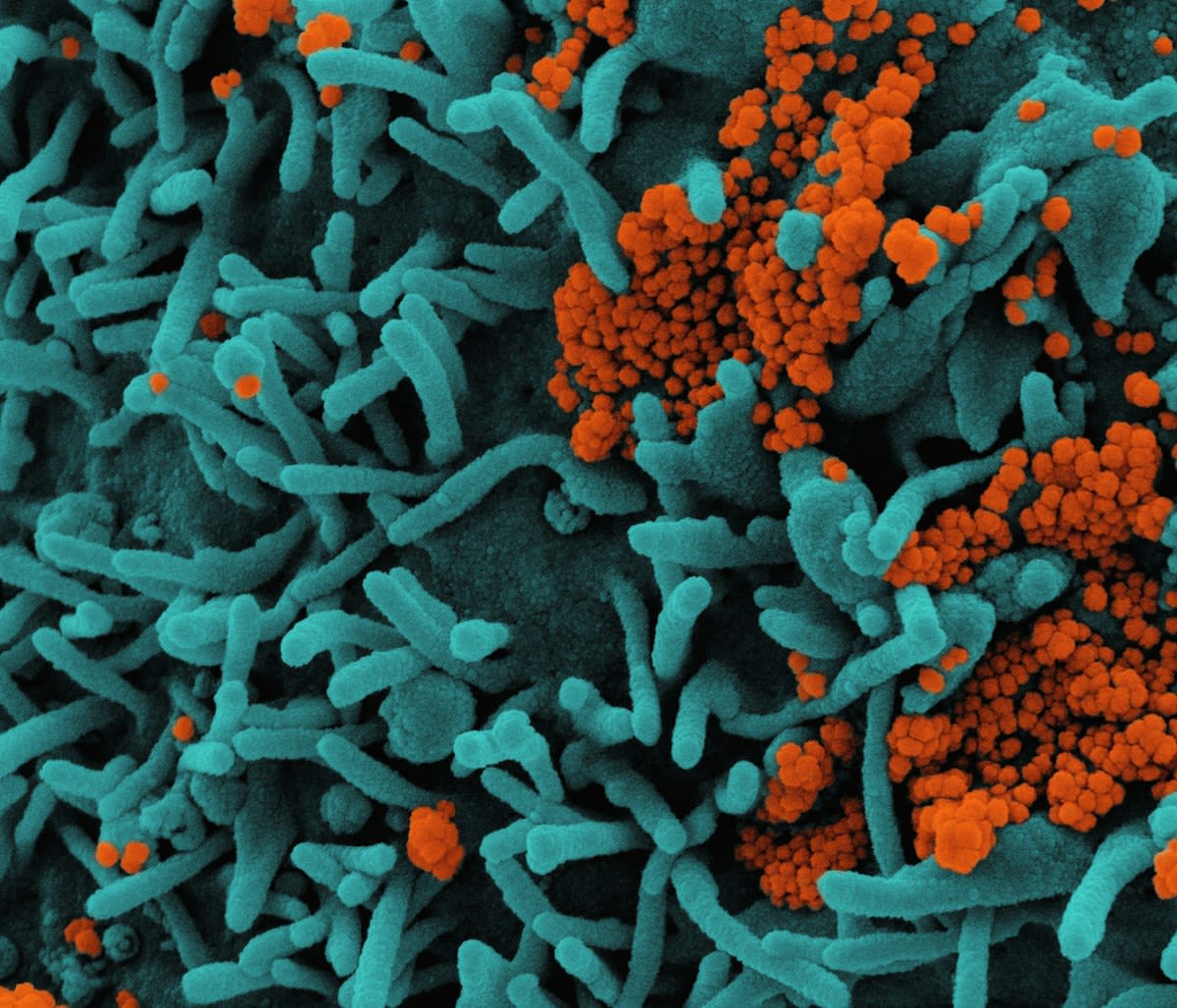
At the same time, the hospital environment is becoming more hostile. A CDC report released June 30, 2026, confirms that Candida auris, a drug-resistant yeast, is gaining ground with alarming speed. The data shows a massive spike in clinical infections.
Rise of Candida auris Clinical Infections in US Hospitals
Executive Insight
+18.4%
YTD Growth
The industry is betting heavily on the high-end response to these crises. Ipsen’s June 29 announcement to acquire Kartos Therapeutics for $450 million upfront—with a total potential deal value of $1.75 billion—highlights the aggressive pursuit of MDM2 protein-targeting drugs for blood cancer.
We are witnessing a strategic divergence. Capital is flowing into high-margin, high-complexity biotech, while the foundational elements of public health—rural access and infection control—are fraying. The question is no longer whether we can sequence the disease, but whether we can actually reach the patient before the biological clock runs out.