
Neural trauma does not follow a linear recovery trajectory. Instead, it creates a volatile biological window where the brain is simultaneously hyper-plastic and extremely fragile. The objective of any practitioner is not simply to wait for healing, but to aggressively guide the reorganization of neural circuits before maladaptive plasticity sets in. When the central nervous system (CNS) is compromised, the brain attempts to bypass damaged areas, often creating inefficient pathways that lead to chronic dysfunction or phantom pain. Success depends on the ability to synchronize metabolic support with high-intensity, specific sensory input.
Prerequisites for Neural Reintegration
Before initiating an acceleration protocol, a practitioner must establish a precise baseline of the patient's current neurological state. Guesswork in CNS recovery is dangerous; pushing a brain that is still in a state of acute metabolic crisis can trigger excitotoxicity and worsen the lesion. This requires a multi-modal diagnostic approach to ensure the brain can handle the load of intensive rehabilitation. Without these markers, the risk of inducing neural fatigue or regression increases exponentially.
- High-resolution Neuroimaging: fMRI or DTI to map white matter integrity and viable neural pathways.
- Quantitative EEG (qEEG): Identification of aberrant wave patterns or focal slowing in affected lobes.
- Metabolic Panel: Screening for systemic inflammation markers (CRP) and micronutrient deficiencies (B12, Magnesium, Omega-3 index).
- Cognitive Baseline: Standardized testing for executive function, processing speed, and attentional capacity.
- Sleep Architecture Analysis: Polysomnography to ensure glymphatic clearance is functioning during deep sleep cycles.
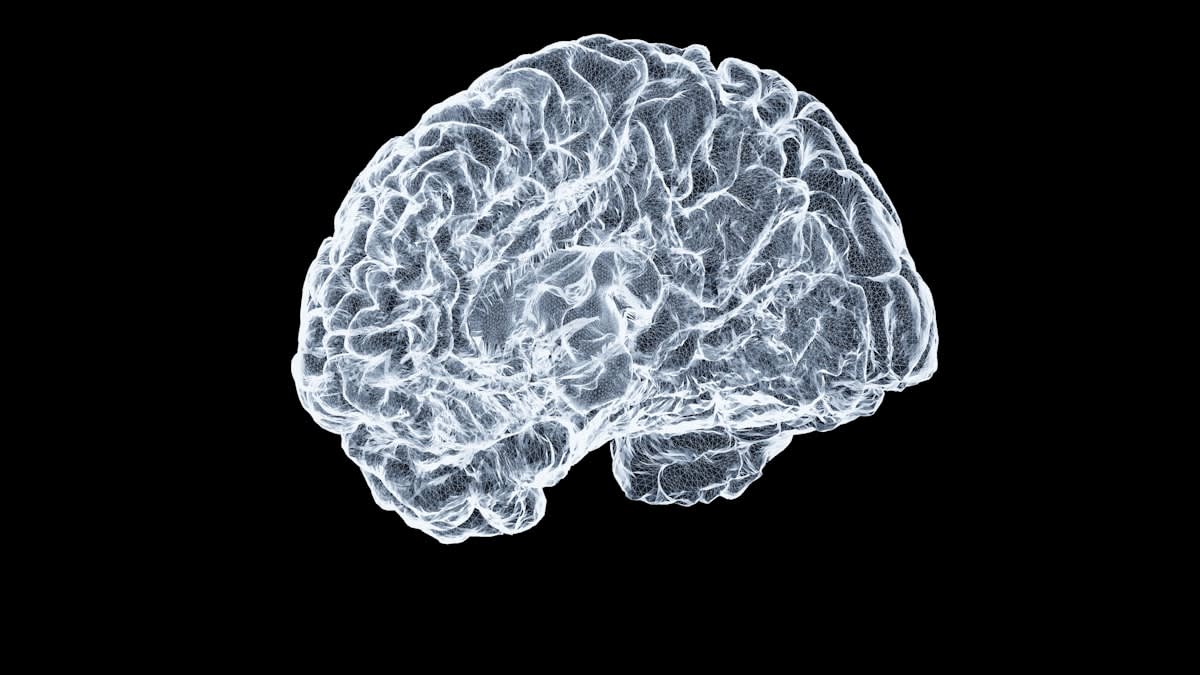
The transition from acute stabilization to active recovery is the most critical phase of the process. In advanced clinics in Singapore, this transition is managed by monitoring the metabolic cost of cognitive tasks. If the brain's glucose utilization is inefficient, intensive therapy becomes counterproductive. The goal is to reach a state of homeostatic stability where the CNS can sustain the energetic demands of synaptogenesis without triggering a systemic inflammatory response.
The Four-Stage Acceleration Framework
- Homeostatic Stabilization: Focus on reducing neuro-inflammation, optimizing the blood-brain barrier, and regulating sleep-wake cycles to facilitate waste clearance.
- Neuro-Priming: Using non-invasive stimulation or targeted nutrition to lower the threshold for neuronal firing in damaged regions.
- Task-Specific Repetition: Implementing high-frequency, low-error movements or cognitive tasks to force the creation of new synaptic connections.
- Environmental Generalization: Gradually introducing complexity and unpredictable stimuli to ensure the new neural pathways are robust and adaptable.
Stage two, Neuro-Priming, is where most traditional therapy fails. Many practitioners jump straight to repetition without preparing the neural soil. Priming involves the use of tools like transcranial Direct Current Stimulation (tDCS) or specific amino acid precursors that increase the availability of BDNF (Brain-Derived Neurotrophic Factor). By lowering the depolarization threshold of target neurons, the subsequent repetitions in stage three become significantly more effective. This priming phase transforms a passive recovery process into an active engineering project.
Critical Timing
The 'Golden Window' of neuroplasticity is most potent in the first 90 days post-trauma. During this period, functional recovery rates are estimated to be 40% higher than in the chronic phase, making the timing of the priming phase non-negotiable.
Task-Specific Repetition must adhere to the law of specificity. General exercise is insufficient for CNS recovery. If a patient needs to regain a specific motor function, the repetitions must mimic that exact movement in a controlled environment. The brain requires thousands of successful iterations to solidify a new pathway. This is not about quantity alone, but about high-fidelity input. Errors must be minimized to prevent the brain from 'learning' the dysfunction, a phenomenon often seen in poorly managed stroke rehabilitation.
| Recovery Stage | Primary Objective | Key Intervention | Success Metric |
|---|---|---|---|
| Stabilization | Inflammation Control | Anti-inflammatory diet / Sleep | Reduced CRP levels |
| Priming | Lowering Activation Threshold | tDCS / BDNF precursors | Increased cortical excitability |
| Repetition | Synaptic Strengthening | High-fidelity task training | Improved motor/cognitive accuracy |
| Generalization | Robustness | Variable environment training | Functional independence |
As the patient moves into Environmental Generalization, the focus shifts from accuracy to adaptability. In the Nordic rehabilitation models, this involves moving the patient from a sterile clinic to a complex, noisy, and unpredictable real-world setting. This forces the CNS to filter out irrelevant stimuli and maintain the new neural pathways under stress. Without this stage, patients often experience 'clinic success' but fail to function in their daily lives, as their new connections are too fragile to survive environmental noise.
Functional Gain vs. Time in Accelerated Protocols
Executive Insight
+18.4%
YTD Growth
The metabolic cost of this acceleration cannot be overstated. The glymphatic system, which clears metabolic waste from the brain, operates primarily during deep NREM sleep. If a patient is pushed too hard during the day without adequate sleep, the accumulation of neurotoxic waste can trigger a 'crash' or cognitive regression. Data suggests that maintaining a strict 8-hour sleep window increases glymphatic clearance efficiency by approximately 25%, which is essential for the consolidation of new synaptic connections formed during the repetition phase.
"The brain does not heal in the clinic; it heals in the sleep that follows the clinic. The training is the signal, but the sleep is the installation."— Dr. Elena Vance, Neural Systems Lead
Finally, the practitioner must manage the intersection of cognitive load and neural fatigue. There is a tipping point where additional effort leads to diminishing returns and eventual burnout. This is managed through 'pacing,' where the intensity of the protocol is modulated based on real-time biomarkers such as heart rate variability (HRV) and subjective cognitive fatigue scales. A precision approach treats the brain like an elite athlete's muscle—pushing to the edge of failure, but never crossing it.

Common Pitfalls in CNS Recovery
- The 'Push Through' Fallacy: Forcing a patient to work through brain fog or extreme fatigue, which often leads to maladaptive plasticity and long-term regression.
- Lack of Specificity: Using general physical therapy (e.g., walking on a treadmill) instead of targeted, high-fidelity functional tasks (e.g., grasping a specific object).
- Ignoring Systemic Inflammation: Failing to address gut-brain axis health or systemic inflammation, which keeps the brain in a 'defensive' rather than 'plastic' state.
- Premature Generalization: Moving to complex environments before the neural pathways have been solidified through high-repetition training.
- Over-reliance on Passive Modalities: Using massage or basic stimulation without pairing it with active, effortful cognitive or motor tasks.
The most dangerous error is the failure to monitor the 'crash' cycle. Many patients report a surge in progress followed by a sudden, deep regression. This is typically a sign of metabolic bankruptcy, where the brain's energy demands have exceeded its recovery capacity. A master practitioner recognizes these signs early and pivots back to the stabilization phase, ensuring that the foundation is strong enough to support the next leap in functional gain.