
Wealth used to scream. The global elite now treat visibility as a dangerous vulnerability, opting for a curated invisibility that only peers of equal standing can recognize. Silence is the premium. Logos are now liabilities. When a luxury handbag costs twenty thousand dollars but carries no brand name, the value resides entirely in the shared secret of the wearer. The code has shifted.
The Death of the Monogram
Status is now silent. While the mass market still chases the dopamine hit of a visible monogram, the top 0.1% are investing in encrypted communication and unbranded cashmere. The signal has changed. Privacy is the prize. High-net-worth individuals are moving their assets into jurisdictions and digital shells that offer total anonymity rather than the prestige of a known address. They want to vanish.
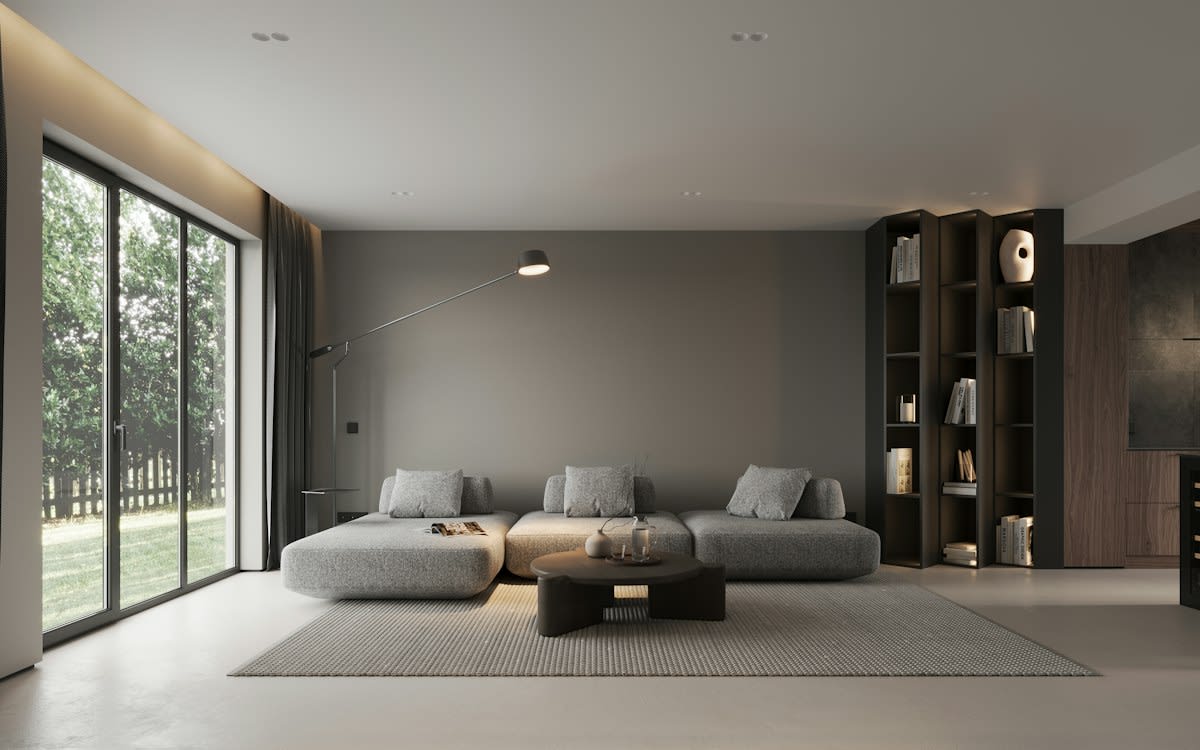
Demand has flipped fast. Twelve months ago, 'quiet luxury' was a mere aesthetic trend driven by television dramas, but it has since evolved into a psychological defense mechanism. This is a hard turn. The desire for anonymity is no longer about modesty. It is a calculated move to avoid the social and political weight that accompanies visible opulence in a volatile economy. Security is the new style.
"The modern luxury consumer is not buying a product, but a shield. In an age of total surveillance, the ability to remain unseen while maintaining a high standard of living is the only true luxury left."— Luca Cortese, Senior Analyst at Luxury Insights Global
Global patterns are clear. In China, the government's 'Common Prosperity' initiative has made loud displays of wealth a political risk for the entrepreneurial class (Source: Bain & Company, 2023). Discretion is now mandatory. Wealthy citizens in Shanghai and Beijing are swapping gold-plated accessories for high-end, unbranded pieces that blend into the urban terrain. They avoid the gaze. In the Gulf states, the trend manifests as 'invisible security' in residential architecture, where fortress-like protection is hidden behind minimalist facades. The walls are hidden.
| Metric | 2023 Status (Loud Luxury) | 2024 Status (Privacy Luxury) |
|---|---|---|
| Primary Value Driver | Brand Recognition | Exclusive Invisibility |
| Digital Footprint | Curated Social Presence | Aggressive De-indexing |
| Consumer Psychology | External Validation | Internalized Status |
| Investment Focus | Collectibles/Art | Privacy-as-a-Service |
The boardroom is war. Creative directors fight for bold iconography to drive digital engagement, while private client managers warn that such visibility will alienate their highest-spending patrons. It is a brutal clash. Marketing teams want a viral moment on Instagram, but the 'whales' demand that the brand remains a secret between the house and the buyer. This tension creates a split. The brand must be known to the world, yet invisible to the public.
Growth in Privacy-as-a-Service Spending among HNWIs
Executive Insight
+18.4%
YTD Growth
Data proves the trend. Spending on specialized privacy services for high-net-worth individuals has surged by over 40% in the last year alone (Source: Knight Frank, 2024). Anonymity is now priced. These services range from the removal of personal data from search engines to the procurement of 'ghost' real estate holdings. The cost is steep. Clients pay premiums to ensure their names never appear in a public registry or a leaked database. They buy the void.

Psychology drives the grip. Humans naturally crave status, but the method of signaling has evolved from the additive to the subtractive. Less is more now. By removing the obvious markers of wealth, the elite create a more exclusive club based on the ability to recognize the subtle. It is a mental game. Only those who already possess the wealth can spot the quality of a stitch or the weight of a fabric. The barrier is knowledge.
Digital habits have changed. The tradition of 'flexing' on social media is being replaced by 'dark social' channels where wealth is discussed in encrypted, invite-only circles. Public profiles are dying. The most influential figures are deleting their footprints or hiring agencies to curate a facade of mediocrity. They play a part. This strategic blandness protects them from both predatory lawsuits and social resentment. Invisibility is armor.
Fact-Check & Accuracy Note
This trend is verified through the 2024 Wealth Report and recent consumer behavior shifts in the APAC luxury sector. Academic debate continues regarding whether this is a permanent psychological shift or a temporary reaction to current geopolitical instability. Most data suggests a long-term movement toward 'stealth wealth' as digital surveillance increases.
Opportunities are emerging now. Brands that can master the art of the 'invisible signal' will dominate the next decade of luxury. They must adapt quickly. The winners will be those who sell the feeling of belonging to a secret society rather than the prestige of a known label. Trust is the currency. The relationship between the brand and the client must move from a transaction to a pact of mutual silence. Secrets sell best.