
The Death of the 'Wait and See' Model
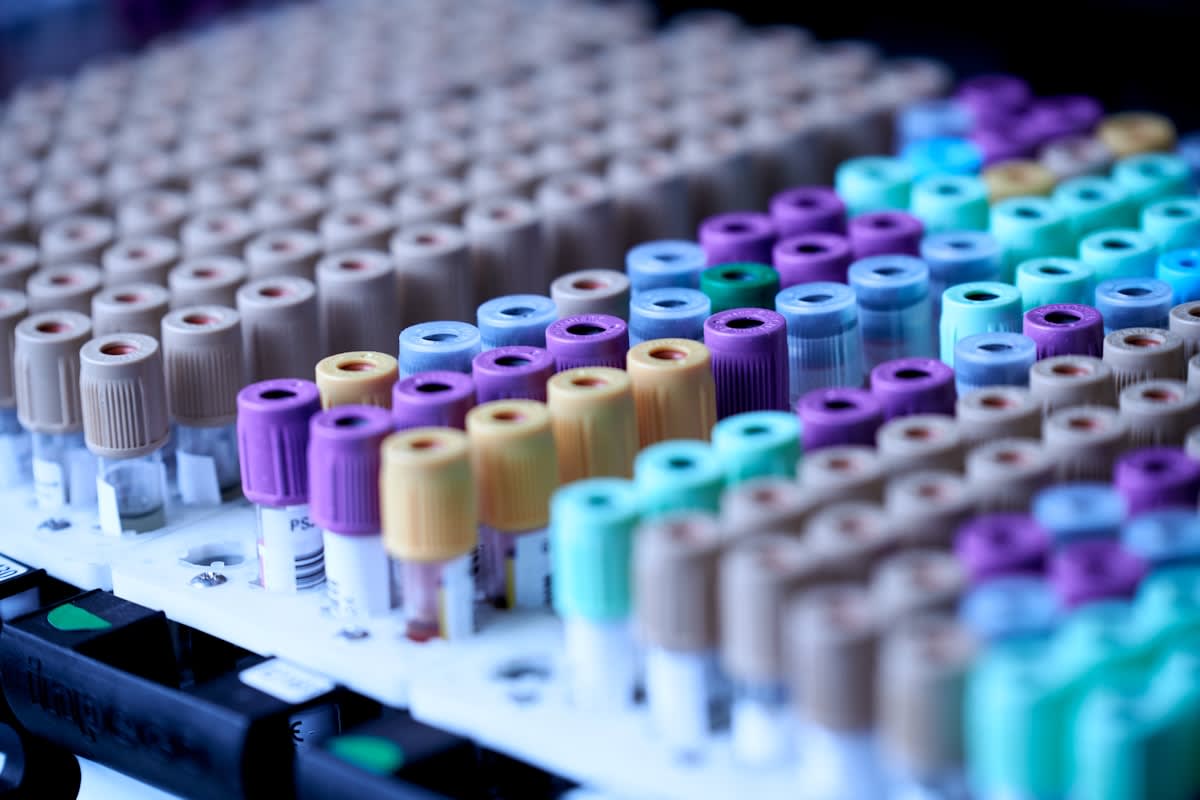
Medical intuition is no longer enough. This week at ASCO 2026, the conversation centered on a brutal reality: the NHS Galleri Trial may have missed its primary outcome measure, but it proved that population-scale blood screening is technically viable. We are seeing the emergence of tests capable of detecting multiple cancers via DNA methylation, effectively giving doctors a map of where to look before a patient even feels a lump.
The ASCO Takeaway
The Galleri Trial demonstrates that while primary endpoints are tricky, the ability to pinpoint cancer locations through a simple blood draw is a functional reality, not a theoretical goal.
Compare this to the landscape a year ago. We were debating if these tests were possible; now, we are debating their statistical efficacy at scale. The focus has moved from 'Can we find it?' to 'How accurately can we screen millions?'
This isn't just happening in government-led trials. In a striking instance of patient-led intervention, an entrepreneur recently bypassed traditional medical limitations to beat a rare genetic mutation—one that affects only 1 in 420,000 people—by using AI to independently verify and optimize his treatment strategy. This marks a departure from the passive patient role.
Borders as Bio-Filters
While individuals use AI to fight rare mutations, nations are using digital portals to fight outbreaks. On June 25, 2026, India launched AIR SUVIDHA 2.0. This isn't just a form; it is a contactless digital surveillance system designed to screen international travelers for Ebola in real-time.
- Mandatory health self-declarations for all international arrivals.
- Real-time coordination between health, immigration, and surveillance agencies.
- Immediate identification of at-risk travelers at Points of Entry (PoEs).
The urgency is clear. By integrating health screening directly into the travel pipeline, India is treating its borders as a primary diagnostic tool. It is a hard-coded layer of defense that removes human error from the initial screening phase.
This systemic aggression toward detection extends beyond human health into the broader biological markets of Asia.
The Capital Flow of Biological Demand
The shift toward proactive health is mirrored by strategic capital movements in the region. Umios, the Japanese seafood giant formerly known as Maruha Nichiro, just signaled a massive bet on the Southeast Asian pet-food market. By acquiring a 51% stake in Malaysia's Pet World International, Umios is positioning itself in what it calls the fastest-growing pet-food market in Asia.
| Metric | Value |
|---|---|
| Acquisition Cost | Y11.4bn ($70.4m) |
| Equity Stake | 51% |
| Market Position | Number 2 in Malaysia |
| PWI Net Sales (12mo) | Y12.4bn |
Whether it is Dr. Reddy's Laboratories filing its annual 20-F report on May 29, 2026, or Japanese firms buying into Malaysian pet care, the trend is the same: aggressive expansion into high-growth, high-utility biological sectors. The world is no longer playing defense.

We are witnessing a global synchronization of anticipation. From the DNA in our blood to the declarations on our passports, the goal is to catch the problem before the problem catches us. The risk is no longer the technology—it is the speed of our adoption.